

 EN
EN  DE
DE  FR
FR Buy nutritional supplements for cats online
We offer a carefully selected range of nutritional supplements for cats in our online store. Young, very active, older or pregnant cats in particular have an increased need for important nutrients.
Filters
-
 CHF 9.90GimCat
Complementary food for cats with skin problems
Supports skin and coat -
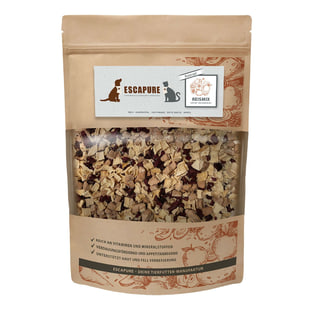 CHF 30.90Escapure
Rice flakes as complementary food for dogs & cats - ideal for BARF
-
 CHF 23.90cdVet
Complementary food for cats, supports the intestinal flora.
Creates an environment that is hostile to worms -
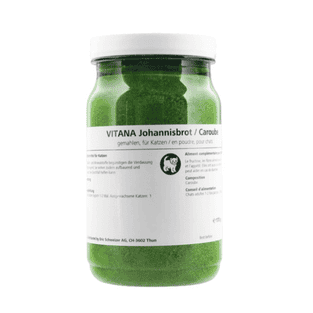
- - 10 %
Special Price CHF 15.85 Regular Price CHF 17.60VitanaFood supplements for cats
-
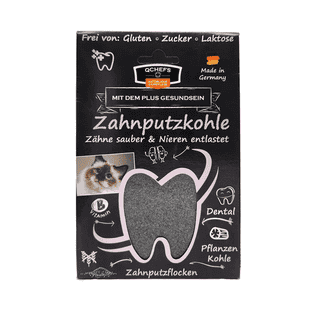
- New
CHF 34.80QCHEFSFood supplements for cats, containing vegetable charcoal to help with tartar buildup; supports kidney and intestinal health
-
 CHF 37.30marsavet
Natural care after a cured worm infestation for dogs, cats, rodents and ornamental birds
-
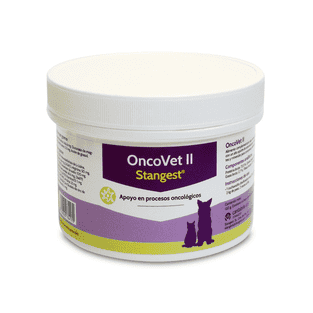 CHF 27.20Stangest
Supplements to strengthen the immune system in cases of advanced cancer
-
 CHF 39.90Green Paw
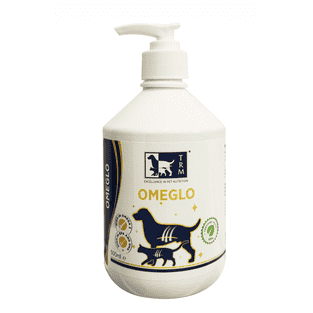
Salmon oil with omega-3 fatty acids for dogs and cats; also suitable for certain rodents
-
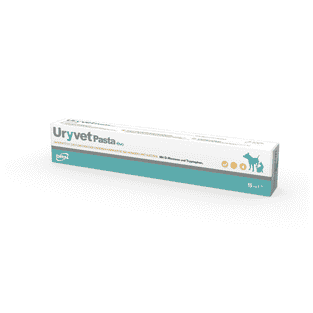 CHF 22.90ICF
A dietary supplement for dogs and cats to support optimal lower urinary tract function and normal urination
-
-
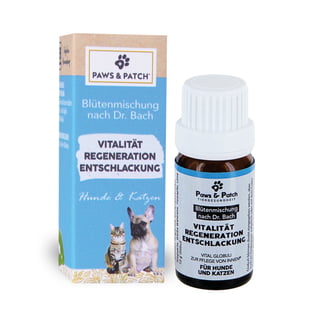 CHF 12.80Paws & PatchBach flower mixture to support regeneration and maintain the vitality of pets
 -
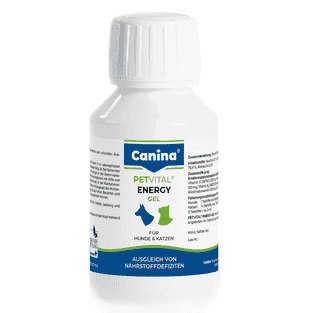 CHF 25.90Free shippingCanina
Supplementary feed for dogs and cats, to compensate for nutrient deficiencies
-
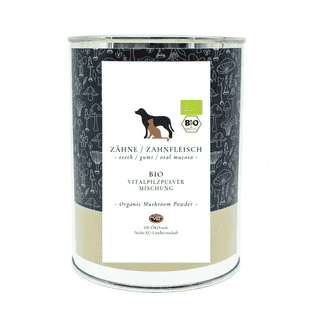 CHF 73.80Free shippingVETtherm
Supplementary food for dogs and cats, for teeth and gums
-

- - 10 %
Special Price CHF 51.20 Regular Price CHF 56.90almapharmTo support cerebral energy metabolism in older cats
-
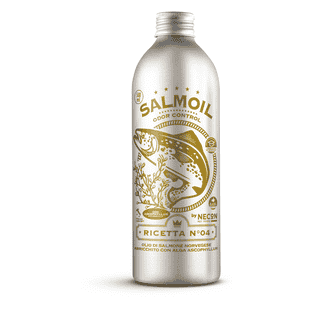
from CHF 27.00
NECON PET FoodReduces bad breath and the smell of feces
-

from CHF 20.60
I love my catHigh-quality food supplement to help with diarrhea and digestive problems
-
 CHF 59.70I love my cat
High-quality food supplement to support the joints and bones
-
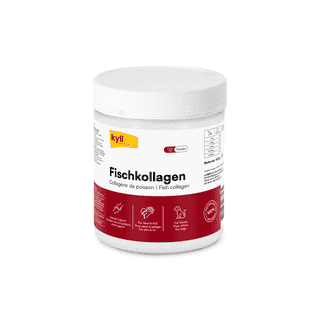
- New
CHF 79.60Free shippingkyliHydrolyzed collagen from wild-caught fish as a food supplement for dogs
-
 CHF 23.90Free shippingCaninaComplete food for cats - dry nourishing milk
 -
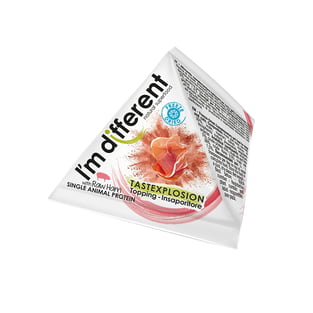 CHF 17.90IM DIFFERENT
Single-protein supplementary feed.
Suitable for dogs and cats. -
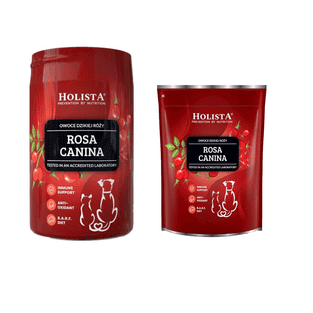
from CHF 49.90
HolistaHigh-quality complementary food for adult dogs and cats
-
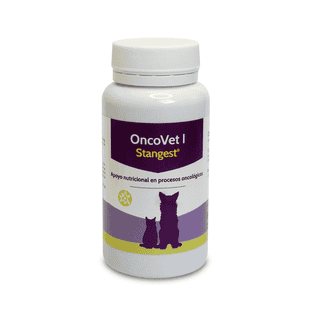 CHF 29.20Stangest
Supplements to strengthen the immune system in cancer treatment
-
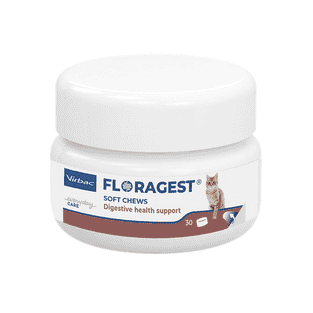
- New
CHF 52.50VirbacDietary supplement for cats with digestive problems
-
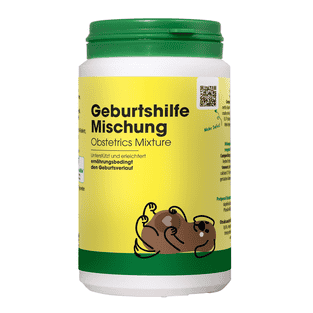
from CHF 15.40
cdVetFood supplements for dogs, cats, and small animals; helps ease the birthing process
-
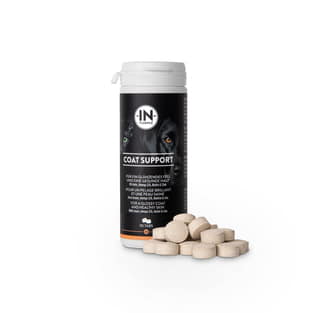 CHF 33.80IN-FLUENCE
Delicious chewable tablets to support skin and coat health in dogs and cats
-
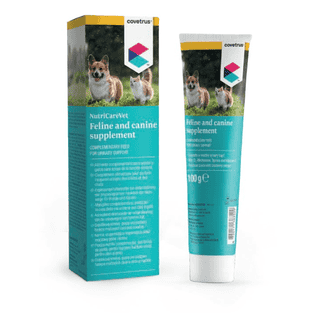 CHF 16.60Covetrus
Complementary feed, paste to support the physiological function of the urinary tract for dogs and cats.
-
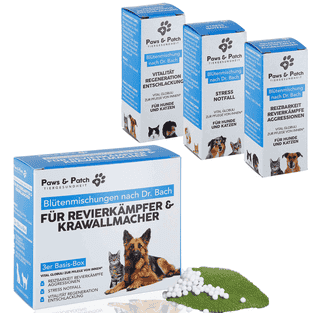 CHF 36.20Paws & PatchBach Flowers Basic Box for territorial fighters and rioters, practical for the pet pharmacy
 -
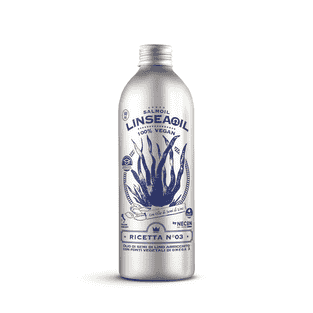
from CHF 29.00
NECON PET FoodFood supplements for dogs and cats. Keeps skin and coat healthy
-
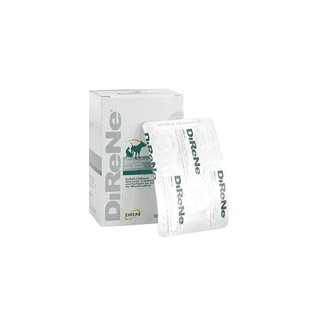 CHF 26.90ufamed
A dietary supplement for dogs and cats specifically formulated to support kidney function and the urinary tract
-

from CHF 17.10
CovetrusComplementary feed, paste for dogs and cats to support the digestive system.
-

- New
from CHF 21.60
LunderlandNutrient-Rich Wild Fish Oil as a Food Supplement
-
- New
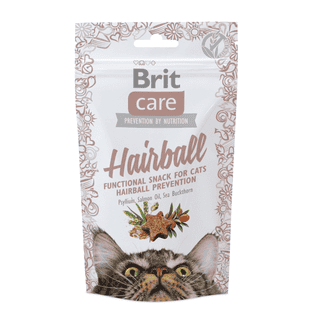
CHF 34.70BritA semi-soft, functional snack designed to prevent the formation of hairballs
-
- New
from CHF 24.90
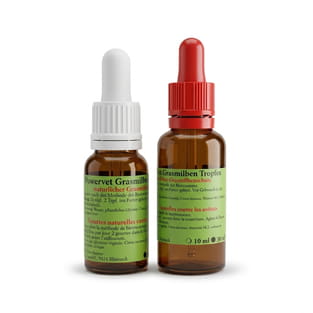
PowervetA dietary supplement for dogs and cats that acts as a protective shield against fall grass mites
-
- New
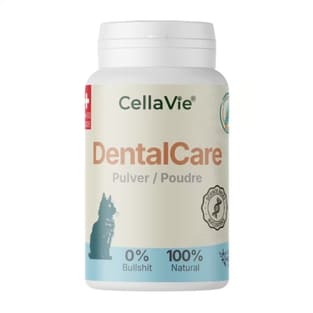
CHF 34.40CellaVieCell Nutrition Formula (Nucleotides), with Seaweed and Herbs for Strong Gums and Fresh Breath in Cats -
- New
CHF 43.20CellaVieLemon balm, chamomile, and a cellular nutrition formula (nucleotides) help promote calmness and balance in cats.
-
- New
CHF 34.40CellaVieCell Nutrition Formula (Nucleotides), for adult and senior cats. With krill and biotin to support skin and coat health
-
- New
CHF 37.30CellaViePremium omega-3 salmon oil alternative for adult and senior cats. High-quality krill omega-3 with a cell-nourishing formula (nucleotides)
-
- New
CHF 37.30CellaViePremium Gastrointestinal Powder for Adult and Senior Cats, with a Cell Nutrition Formula (Nucleotides) and Dual Prebiotics (FOS & MOS)
-
- New
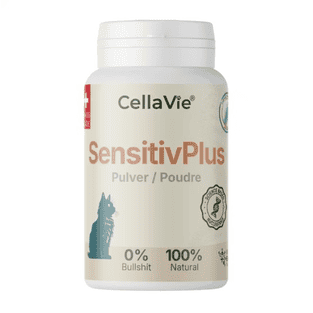
CHF 37.30CellaVieCell Nutrition Formula (Nucleotides), Marshmallow, and Licorice Root for Balanced Gastrointestinal Support in Cats
-
- New
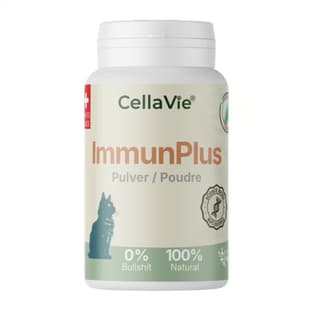
CHF 37.30CellaVieCell Nutrition Formula (Nucleotides), Echinacea, and MOS for a Strong Immune System in Cats -
- New
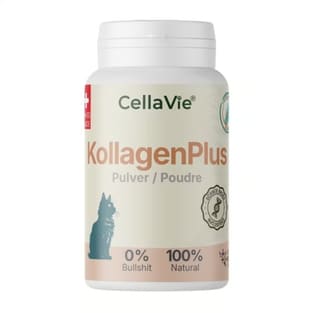
CHF 34.40CellaVieNano-hydrolyzed Swiss collagen & cell-nourishing formula (nucleotides) for healthy cats -

- New
CHF 43.20CellaViePremium Joint Formula with Green-Lipped Mussel, Collagen, and Nucleotides for Healthy Cat Joints
-
- New
from CHF 6.30
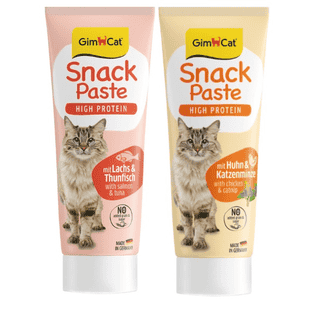
GimCatHigh-protein complementary food for cats
-
- New
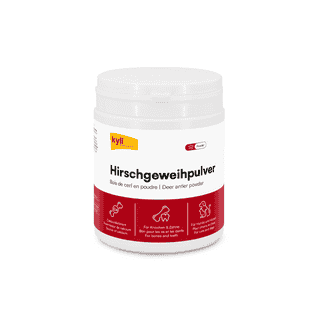
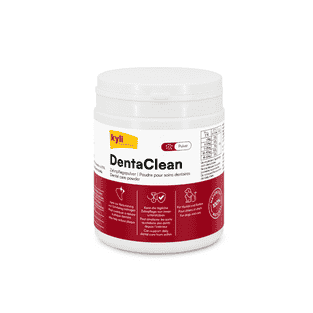
CHF 47.80kyliMinerals in powder form, for dogs and cats as food supplements
-
- New
-
- New
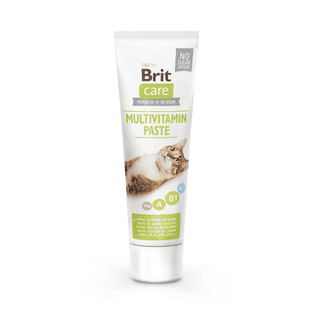
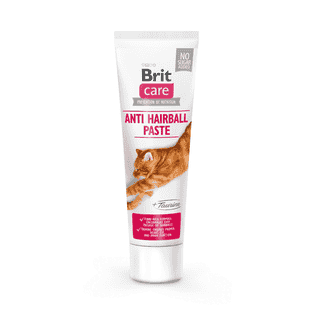
CHF 57.90BritFunctional Paste for Treating Clumps of Hair with a Vitamin Complex
-
- New
Special Price CHF 57.90 Regular Price CHF 57.90BritStyling paste for thinning hair with an appealing scent
-
- New
from CHF 68.00
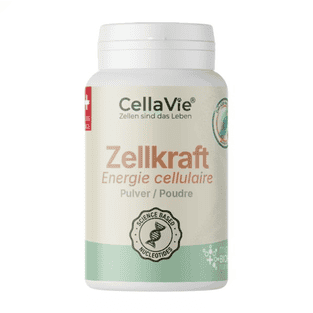
CellaVieA dietary supplement to support the digestive and immune systems of dogs and cats


When do cats need additional food supplements?
Cats need nutritional supplements when their usual diet leads to a deficiency of vitamins or minerals. Animals under exceptional stress such as illness, pregnancy or old age are particularly at risk.
Young growing animals also benefit from supporting nutrients. Food supplements can also be used prophylactically to prevent illnesses or deficiency symptoms.
Note: When administering food supplements for cats, the dosage must be carefully observed. An overdose of certain minerals, for example, can have a negative effect on the animal's health.
How do food supplements help cats?
Food supplements for cats contain additional vitamins and minerals. These are intended to compensate for acute or impending deficiencies and can thus promote the cat's health. In some cases, an additional dose of certain nutrients is even absolutely necessary to maintain the life of the animal.
The individual vitamins and minerals sometimes have very different functions. A deficiency can therefore manifest itself in very different ways. This is why food supplements are used, for example, to supplement a veterinary diet for cats. However, the administration of supplements cannot replace veterinary treatment for cats.
Vitamins for cats
- Vitamin A is important for a cat's eyes, skin and hair. A deficiency can lead to disease. However, an overdose of vitamin A is also dangerous for a cat because it can lead to changes in the skeleton and growth disorders.
- Vitamin B1 must be continuously absorbed by a cat. Cats are particularly at risk of deficiency if they are fed a lot of raw fish, as this contains enzymes that break down thiamine. They manifest themselves in loss of appetite, cramps, muscle weakness, paralysis, inflammation of the nerves or gait disorders.
- Vitamin B12 is found in almost all body cells and is necessary for their division. Cats also need vitamin B12 for their metabolism, nervous system and mucous membranes. Vitamin B12 is only found in animal products. Deficiency symptoms can therefore occur if cats are fed a purely vegetarian diet.
- Vitamin C is produced by cats themselves. In contrast to dogs, cats can nevertheless be dependent on a supplementary supply via food to strengthen the immune system, especially in old age, during stress or illness.
- Vitamin D regulates a cat's calcium and phosphate balance. The vitamin also supports the intestines, bones, kidneys, mammary glands and uterus. While deficiency can lead to rickets, excessive intake promotes calcification of the blood vessels and organs. While humans can produce vitamin D3 with the help of sunlight, cats are completely dependent on dietary intake.
- Vitamin E is only found in plant sources. It can then enter the body of cats via the stomach contents of prey. The vitamin is a natural antioxidant and protects the animal's fatty tissue. A deficiency in cats is manifested by fatigue, degeneration of the muscles, fertility problems and a loss of performance.
- Vitamin K is necessary for blood clotting and bone formation. Poisoning with rat poison or treatment with antibiotics in particular can lead to a deficiency in vitamin K.
Find out more from Dr. Sabina Büttner about this: Vegetarian and vegan diets for dogs and cats
Minerals for cats
A cat's organism is dependent on numerous minerals. Some are found in almost all of the animal's cells and are known as bulk elements. Other minerals, on the other hand, are only needed in very small quantities. They are therefore called trace elements.
If there is a deficiency, these minerals can be fed to the cat via food supplements. Examples of such minerals are
- Calcium and phosphorus must have the correct ratio in the cat's diet in order to ideally support the metabolism of the bones.
- Chlorine, sodium and potassium are necessary for the regulation of the water balance and for the absorption of nutrients into the body.
Omega 3 and omega 6 fatty acids
Cats change their summer coat for a winter coat in the fall. In spring, the winter coat is then replaced by the summer coat. These phases are a strain on the cat's body. Food supplements with a high content of omega 3 and omega 6 fatty acids can support this process and help the animal to have a shiny coat.
Find out more from Dr. Sabina Büttner about this: Coat care in the fall


