

 EN
 DE
 FR
Diet Food for Cats
When your cat is unwell, the right food can make a huge difference. Veterinary diet food is made specifically for this purpose: it is a specialised medical food designed to provide targeted support for diagnosed health conditions. One thing is always essential: the basis for any diet food is a confirmed diagnosis from your vet. Only your vet can assess what kind of support your feline companion truly needs.
In our range, you will find the right food clearly sorted by area of application and brand. If you are unsure which product is right for your cat, our experienced team will be happy to advise you free of charge.
Filters
-
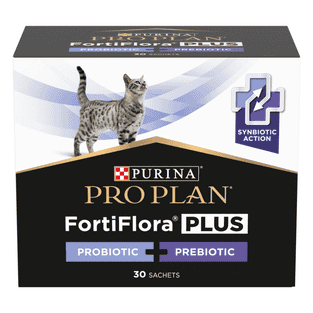 CHF 39.40Purina Pro Plan Veterinary Diets
Supplementary feed with prebiotic and probiotic, to support intestinal health, for adult cats and kittens
-
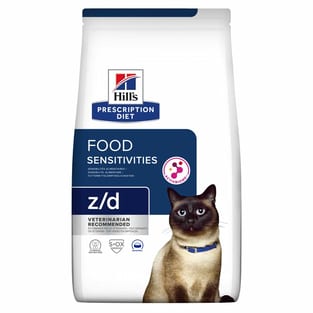
from CHF 36.80
Hill's Prescription DietAllergy diet for cats
Enriched with Hill's ActivBiome+ technology -
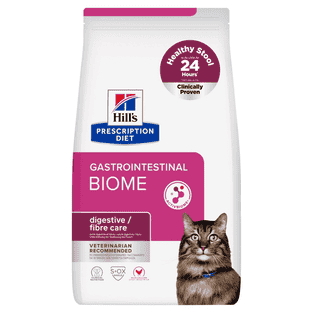
from CHF 36.20
Hill's Prescription DietSupports digestion in case of diarrhea and constipation
-
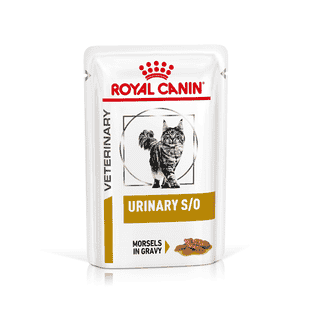 CHF 89.50Free shippingRoyal Canin Veterinary Diet
Morsels in sauce, for cats with urinary stone disease
Pack sizes: Fresh bags 4x12x85g -
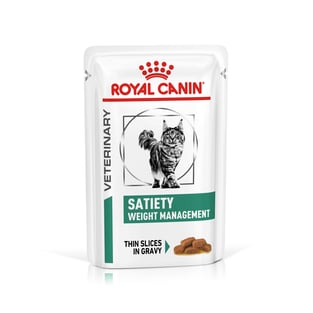 CHF 89.70Free shippingRoyal Canin Veterinary Diet
Complete diet food for cats to reduce obesity. Low energy content.
-
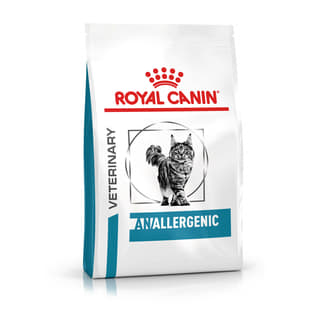
from CHF 45.80
Royal Canin Veterinary DietDry food for the determination and management of nutrient intolerances and food intolerances through reduced contact with allergens
-
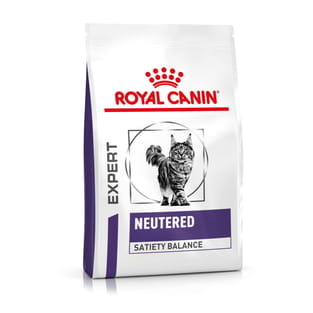
from CHF 29.30
Royal Canin Expert NutritionFor neutered cats of both sexes
-
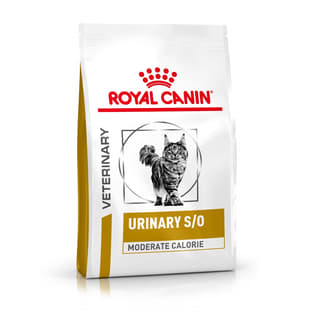
from CHF 36.50
Royal Canin Veterinary DietFor cats with urinary tract diseases that tend to be overweight
-
from CHF 37.20
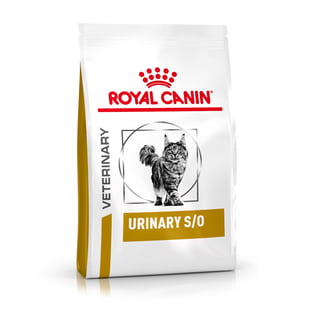
Royal Canin Veterinary DietFor cats with urinary stone disease Pack sizes: 1.5kg, 3.5kg, 7kg
-
 Free shipping
from CHF 93.90
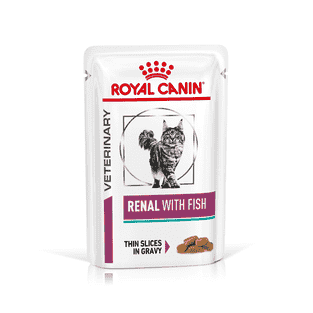
Royal Canin Veterinary DietFor cats with chronic kidney failure
-
 CHF 88.30Free shippingRoyal Canin Veterinary Diet
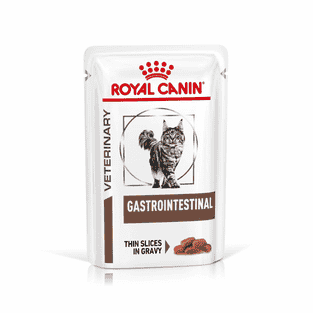
For cats suffering from gastrointestinal disorders.
-
from CHF 39.80
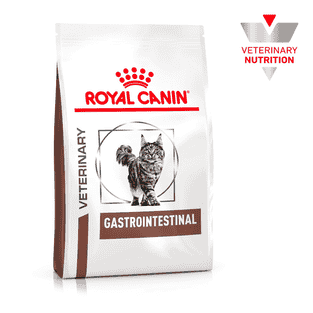
Royal Canin Veterinary DietFor cats with gastrointestinal disorders
-
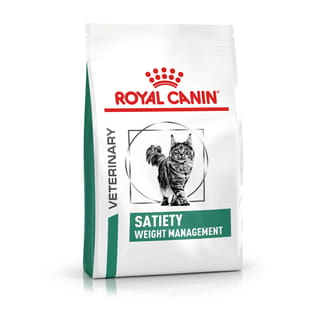
from CHF 33.60
Royal Canin Veterinary DietComplete diet food for cats to reduce obesity. Low energy content
-
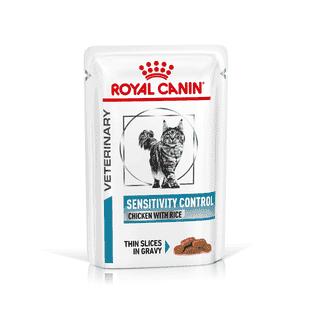 CHF 99.80Free shippingRoyal Canin Veterinary Diet
For cats with food intolerance
-
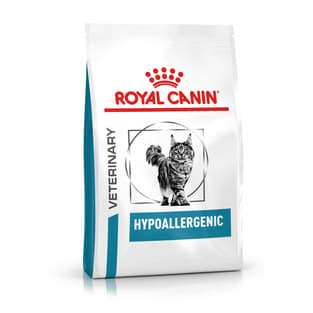
from CHF 28.40
Royal Canin Veterinary DietComplete food for adult cats with nutrient intolerances, food intolerances or sensitive skin
-
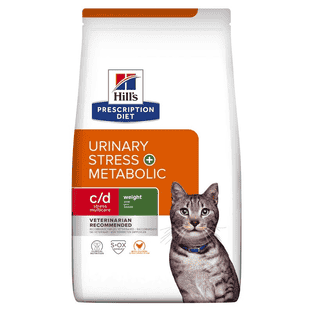
from CHF 35.30
Hill's Prescription DietFor cats with obesity and urinary tract diseases
-
from CHF 30.70
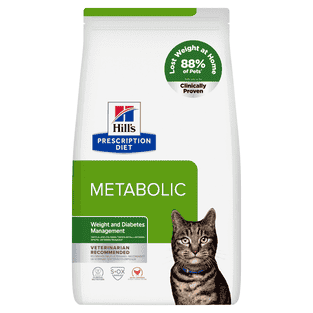
Hill's Prescription DietDiet for weight loss and weight maintenance
Note: This article has been renamed to "Weight and diabetes management". Apart from the name/packaging , nothing has been changed to the food!
-
 Free shipping
from CHF 66.00
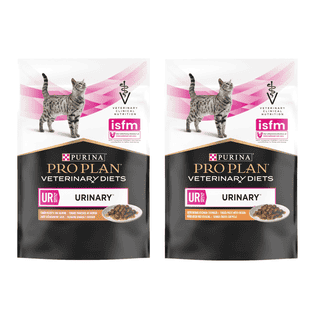
Purina Pro Plan Veterinary DietsDietary complete food (wet food) for adult cats, designed to dissolve struvite stones and reduce the recurrence of struvite and oxalate stones. Tender chunks in sauce, with chicken, salmon, or turkey -
 Free shipping
from CHF 66.00
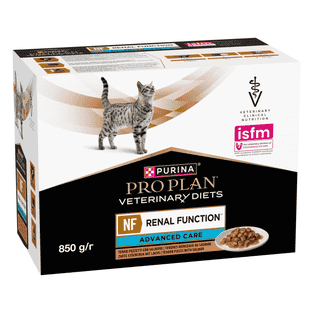
Purina Pro Plan Veterinary Dietsto support kidney function in the case of chronic Renal insufficiency in adult cats
with chicken or salmon -
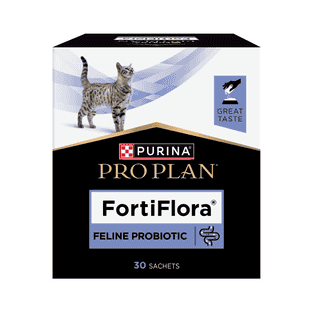 CHF 28.80Purina Pro Plan Veterinary Diets
Complementary food for adult cats and kittens
Available in a box of 30 1g bags -
from CHF 22.80
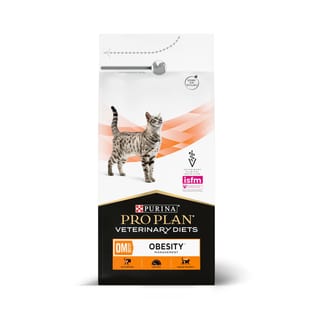
Purina Pro Plan Veterinary DietsComplete dietary food to reduce obesity in cats, supports weight management
-
from CHF 25.80
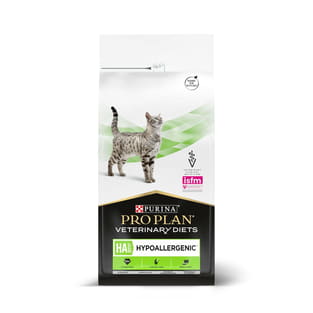
Purina Pro Plan Veterinary DietsComplete food for the diagnosis and treatment of Food allergies and intolerances in adult cats and kittens
-
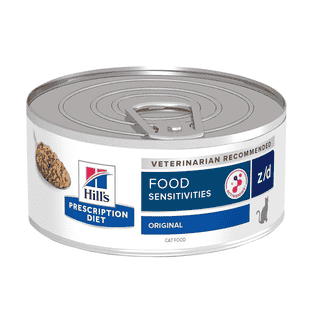 CHF 83.60Free shippingHill's Prescription Diet
Allergy diet for cats
Enriched with Hill's ActivBiome+ technology -
 Free shipping
from CHF 95.50
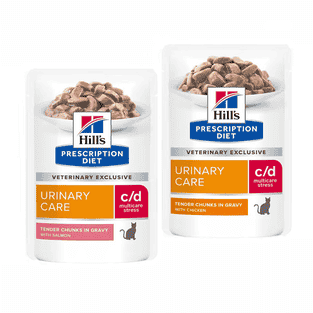
Hill's Prescription DietDiet for the prevention of lower urinary tract diseases, with chicken and salmon
-
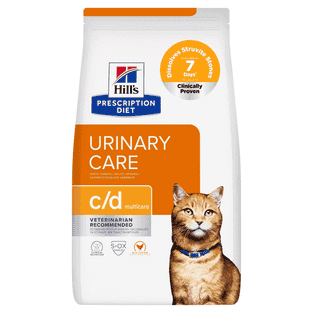
from CHF 31.30
Hill's Prescription DietDiet for the prevention of urinary stones with chicken
-
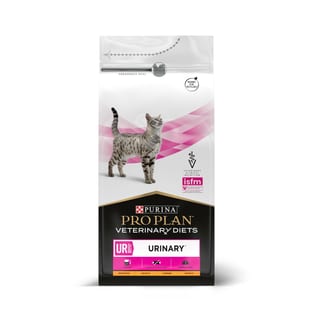
from CHF 28.80
Purina Pro Plan Veterinary Dietsto dissolve struvites and reduce the risk of new struvite and oxalate formation. With chicken
-
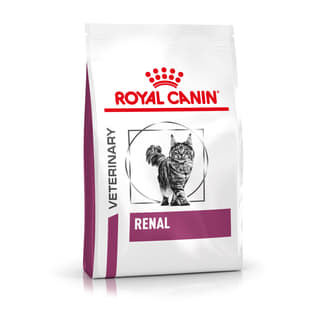
from CHF 41.70
Royal Canin Veterinary DietFor cats with chronic kidney failure
-

from CHF 33.20
Hill's Prescription DietDiet for the prevention of lower urinary tract diseases
-
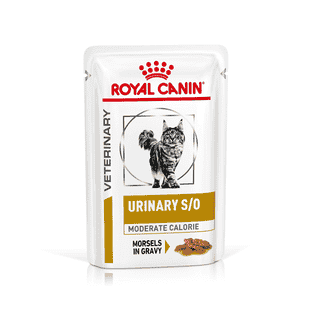 CHF 89.70Free shippingRoyal Canin Veterinary Diet
Morsels in sauce, for cats with urinary stone disease that tend to be overweight
Fresh bags 4x12x85g -
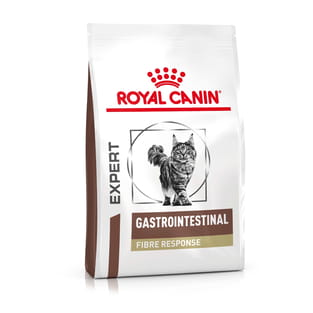
from CHF 38.80
Royal Canin Veterinary DietFor cats with fiber-dependent gastrointestinal diseases
-
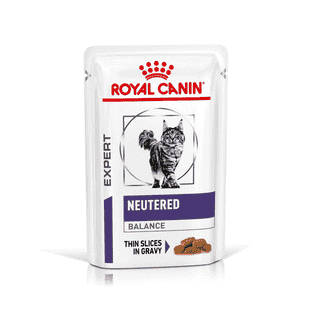 CHF 88.90Free shippingRoyal Canin Expert Nutrition
Control of weight gain
-
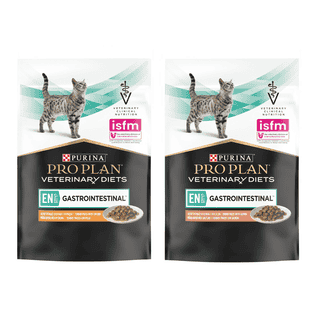 Free shipping
from CHF 66.00
Purina Pro Plan Veterinary Dietsfor the treatment of gastrointestinal disorders in adult cats and kittens
Tender pieces in sauce, with chicken or salmon -
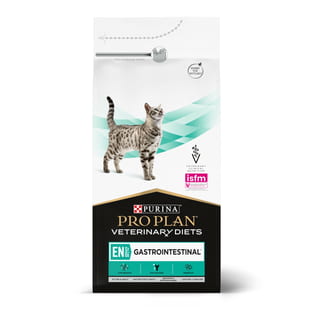
from CHF 29.30
Purina Pro Plan Veterinary DietsDietary dry food for cats and kittens, for gastrointestinal diseases and during convalescence
-
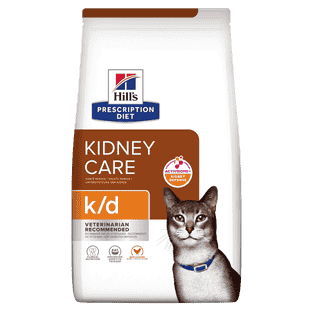
from CHF 32.10
Hill's Prescription DietComplete dietetic food with chicken to support kidney function in cats with kidney disease
Note: this food now has an improved kibble size (Old: 9 mm; New: 10.55 mm)!
-
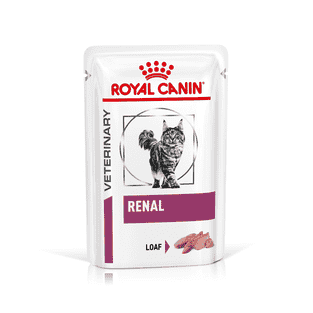 CHF 92.60Free shippingRoyal Canin Veterinary Diet
Renal insufficiency for cats over 1 year old
-
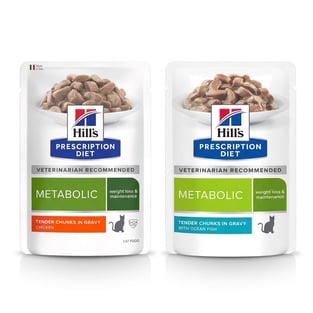 Free shipping
from CHF 90.80
Hill's Prescription DietDiet for weight loss and weight maintenance
-
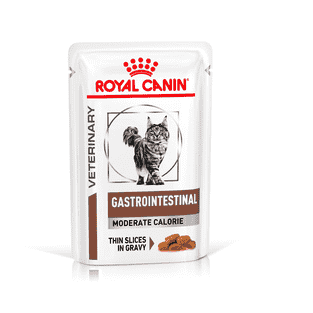 CHF 93.00Free shippingRoyal Canin Veterinary Diet
For cats with gastrointestinal disorders and a tendency to gain weight
-
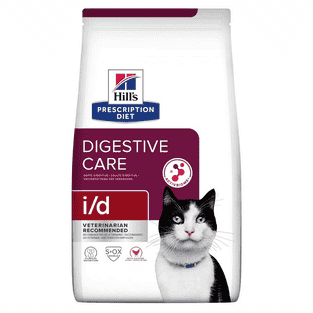
from CHF 33.70
Hill's Prescription DietGastrointestinal diet for adult cats and growing kittens
Enriched with Hill's ActivBiome+ technology -
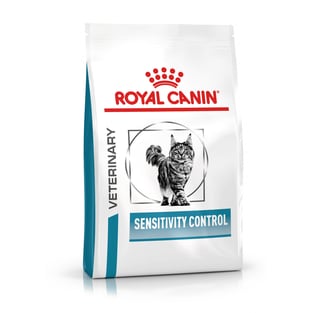
from CHF 32.40
Royal Canin Veterinary DietFor cats with food intolerance
-
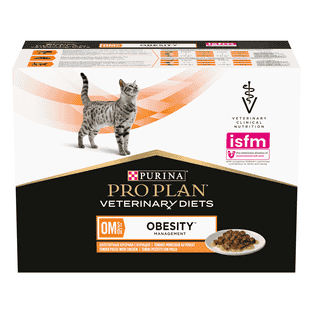 CHF 66.00Purina Pro Plan Veterinary Diets
to reduce excess weight in adult cats
-
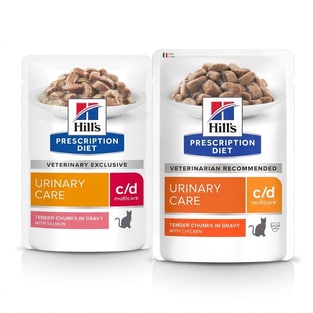 Free shipping
from CHF 92.80
Hill's Prescription DietDiet for the prevention of urinary stones with chicken or salmon
-
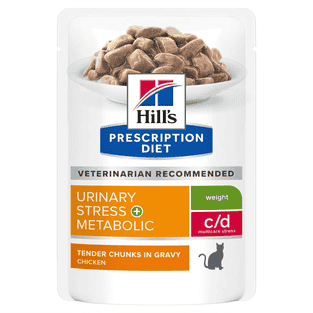 CHF 95.00Free shippingHill's Prescription Diet
For cats with obesity and urinary tract diseases
-
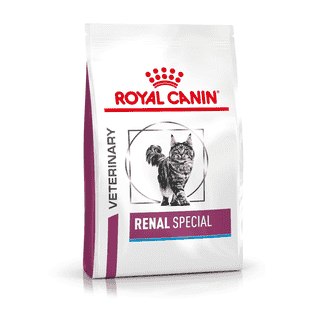
from CHF 41.70
Royal Canin Veterinary DietFor cats with chronic kidney failure and weight loss
-
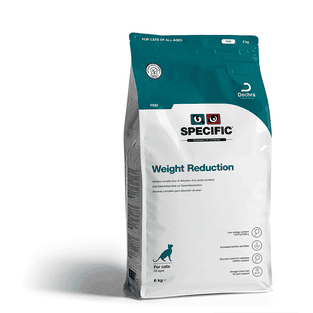
from CHF 31.80
Specific DiätfutterFor obesity, diabetes mellitus, chronic diarrhea, constipation, hyperlipidemia, for cats
-
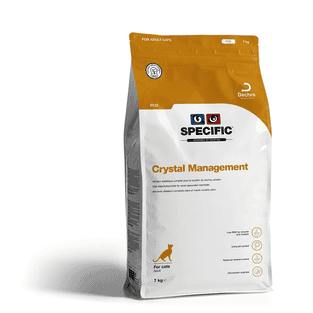
from CHF 36.40
Specific DiätfutterStruvite and calcium oxalate prophylaxis for cats
-
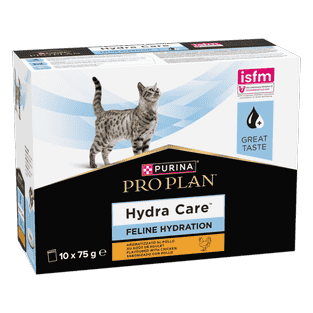 CHF 58.20Purina Pro Plan Veterinary DietsA dietary supplement for adult cats that promotes increased water intake and helps dilute urine, with chicken flavor
-
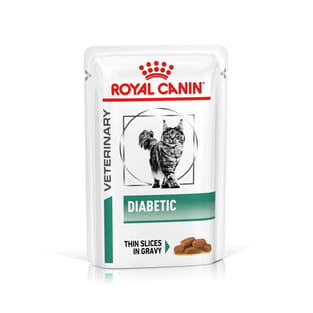 CHF 89.60Free shippingRoyal Canin Veterinary Diet
For cats suffering from diabetes.
-
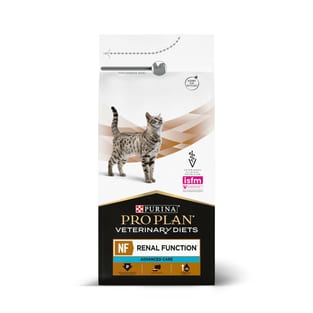
from CHF 28.90
Purina Pro Plan Veterinary Dietsfor support in the later stages of chronic Renal insufficiency


The right cat food for every health concern
The term “diet food” can be somewhat misleading, as it is not always just about losing weight – even though excess weight is a common reason. Every recipe is tailored precisely to a specific medical condition in order to relieve your cat’s body and alleviate symptoms. A distinction is made between complete feeds, which replace a full meal, and complementary feeds, which you give in addition.
Here you will find an overview of the most common areas of application.
Kidney disease in cats
When your cat’s kidneys are no longer working properly, they are less able to filter waste products from the blood. Special renal food relieves the organs through a carefully reduced content of high-quality protein and phosphorus. This helps slow the progression of the disease and improve your cat’s quality of life.
Urinary tract diseases and urinary stones in cats
Urinary stones can be extremely painful for cats and even lead to life-threatening blockages. So-called urinary food is formulated to optimise the pH value of the urine. This inhibits the formation of new crystals and can even help dissolve existing struvite stones.
Gastrointestinal problems & bland diet for cats
In cases of diarrhoea, vomiting or other digestive complaints, the gastrointestinal tract needs a break. A bland diet, also called gastrointestinal food, consists of particularly easy-to-digest ingredients with an adapted fat content. It soothes the digestive system while ensuring that your cat still absorbs all essential nutrients.
Food intolerances in cats
Itching, skin inflammations or digestive problems may indicate a food intolerance in your cat. Hypoallergenic food solves this problem in two ways: either it contains extensively broken-down (hydrolysed) proteins that the immune system no longer recognises as allergens, or it uses novel protein sources that your cat has most likely never been exposed to before.
Diabetes in cats
With diabetes, your cat’s blood sugar level is chronically elevated. Special diet food for diabetic cats is characterised by low carbohydrates and high protein. This combination helps prevent sharp fluctuations in blood sugar after meals and keeps blood glucose levels stable.
Other areas of application for cat diet food
Of course, there are many other health issues where adapted nutrition sensibly complements veterinary treatment. These include liver and heart diseases, pancreatitis, joint complaints such as osteoarthritis, as well as support for stress and recovery after surgery.
Special case overweight: how to help your cat lose weight
Even a few extra grams can have serious consequences for your cat and promote illnesses such as diabetes or joint problems. The causes of overweight in cats are varied: reduced activity after neutering, lack of exercise or simply too many calories. Treats are often misunderstood as a sign of affection and quickly lead to overfeeding.
Slow, controlled weight loss under veterinary supervision is crucial so as not to overload the metabolism – overly rapid weight loss can trigger dangerous hepatic lipidosis (fatty liver disease) in cats. Your vet sets a realistic target weight, and with our weight reduction programme you can calculate the exact daily feeding amount in just a few clicks. Special weight-reduction diets have fewer calories, yet still keep your cat full for a long time thanks to a high fibre and protein content.
Wet food or dry food: what is the right choice?
The best diet food is useless if your cat turns up its nose at it. Acceptance by your cat is key. Whether you opt for wet or dry food therefore depends heavily on your pet’s preferences and the specific illness.
Wet food has the major advantage of increasing fluid intake – especially important for urinary tract and kidney diseases. Dry food, on the other hand, can help care for teeth through mechanical abrasion and works great in puzzle feeders. Fortunately, most manufacturers offer their veterinary diet lines in both varieties. Mixed feeding is often the ideal solution to combine the benefits of both food types.
Changing food: how to win over your fussy cat
Cats are creatures of habit and are often sceptical about new food. A sudden change of food quickly leads to food refusal. With a little patience and a gentle transition, however, the switch almost always succeeds.
- Step 1: Mix slowly. Over seven to ten days, mix an increasingly larger proportion of the new diet food into your cat’s usual food. Start with one quarter and gradually increase the amount until the old food has been completely replaced.
- Step 2: Stay patient. Some cats simply need a little longer to get used to the new taste. Stay consistent and do not give up too quickly – it pays off for your pet’s health.
- Step 3: Adjust treats. Rewards between meals must also match the diet. Switch to special veterinary diet snacks or simply use a few kibbles of the new dry food as treats.
Our brands for veterinary diets
So that you can find the right food for your cat for every diagnosis, we have put together the most trusted brands for you. In our online shop, you will discover specialised diets from Royal Canin Veterinary Diet, Hill’s Prescription Diet, Purina Pro Plan Veterinary Diets and Kattovit Feline Diet. Our range is complemented by other experts such as Virbac, SPECIFIC and Animonda Integra Protect, which are likewise renowned for their high-quality and effective recipes.
FAQ — Diet Food for Cats
-
-
The term “diet food” (legally: dietetic feed) is protected by law. Legislation stipulates that such a feed must serve a “particular nutritional purpose”. This means a manufacturer may only use this term if the specific composition of the food is scientifically proven to help with a particular medical condition. It is therefore genuine specialised medical food that provides targeted support for your cat’s veterinary treatment in the event of a diagnosed illness.
-
Vets recommend a food tailored precisely to your cat’s individual diagnosis, age and overall health status. There is no universal “best” food; the recommendation is always case-specific.
-
The best diet food is always the one your vet recommends for your cat’s specific condition after a thorough examination. The right choice depends on the diagnosis, not on a particular brand.
-
The feeding duration depends on the condition. For acute problems such as gastrointestinal upsets, a short period may be sufficient, whereas chronic conditions such as renal insufficiency or diabetes often require lifelong feeding.
-
A formal prescription is not strictly required, but feeding should take place exclusively following a veterinary diagnosis and recommendation. Never feed a veterinary diet on your own initiative.
-
No, healthy cats should not eat diet food. Its special nutrient composition is designed for a sick organism and can lead to nutrient deficiencies or oversupply in healthy pets over the long term.
-
Slowly mix increasing amounts of the new food into your cat’s familiar food over one to two weeks. This allows your cat to gradually get used to the new taste and smell. Gently warming wet food can also increase acceptance.
-
Your vet determines the exact feeding amount, or you can easily calculate it yourself using our weight reduction programme. It is based on your cat’s current weight, target weight and the exact calorie content of the diet food used. Stick strictly to this guideline.
-
For gastrointestinal issues, an especially easy-to-digest bland diet – also called gastrointestinal food – is suitable. These feeds contain highly digestible ingredients to soothe the digestive tract and ensure proper nutrient absorption.
-
Cats with diabetes are given a special diet food with a high protein content and a very low proportion of carbohydrates. This composition helps keep blood sugar levels stable after meals.
-
Both types of food have pros and cons that need to be weighed up depending on the illness. Ultimately, the best choice depends on the diagnosis and your cat’s preferences; often, a combination of both food types is ideal.
-