

 EN
EN  DE
DE  FR
FR Buy nutritional supplements for cats online
We offer a carefully selected range of nutritional supplements for cats in our online store. Young, very active, older or pregnant cats in particular have an increased need for important nutrients.
Filters

-
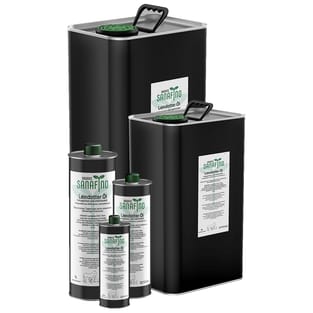
from CHF 24.30
SanafinoOrganic, natural camelina oil, cold-pressed.
Supports with deficiency of omega 3 fatty acids, helps with coat change -
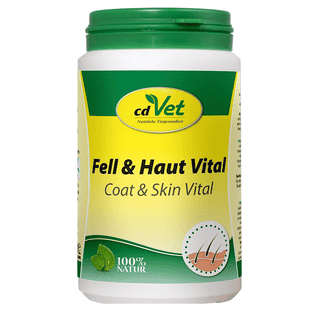 CHF 38.20cdVet
Food supplement for dogs and cats for optimal care of coat and skin
-

-
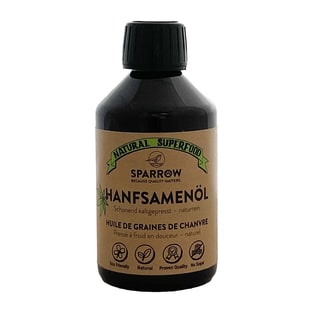 CHF 16.20Sparrow Pet
To support vitality, for healthy skin and a beautiful coat
-

from CHF 41.90
HolistaHigh-quality feed supplement for dogs and cats to support the skin, coat, immune system and vitality
-
from CHF 18.50
SanafinoNatural camelina oil, cold-pressed.
Supports with deficiency of omega 3 fatty acids, helps with coat change -

- - 10 %
Special Price CHF 75.50 Regular Price CHF 83.90Free shippingVetPlusFood supplement with omega fatty acids to support the skin and coat of cats and dogs
-

-
 CHF 9.90GimCat
Complementary food for cats with skin problems
Supports skin and coat -
- New
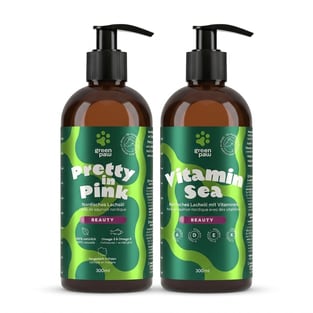
CHF 43.90Green PawSet of 2 different types of salmon oil for dogs, cats, and some rodent species
-
from CHF 60.00
HolistaFood supplements in syrup form for cats—for skin, coat, and joints
-
 Free shipping
from CHF 70.00
HolistaHigh-quality supplementary feed for growing dogs and cats to support the heart, brain, joints and coat
-
- New
CHF 39.90Green PawSalmon oil with omega-3 fatty acids for dogs and cats; also suitable for certain rodents
-
from CHF 29.00
NECON PET FoodFood supplements for dogs and cats. Keeps skin and coat healthy
-
- New
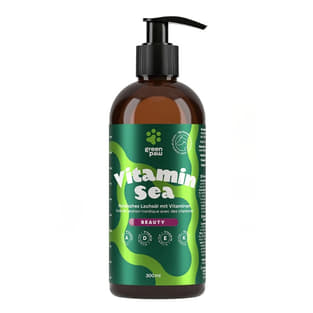
CHF 47.90Green PawSalmon oil with vitamins for dogs, cats, and certain rodents


When do cats need additional food supplements?
Cats need nutritional supplements when their usual diet leads to a deficiency of vitamins or minerals. Animals under exceptional stress such as illness, pregnancy or old age are particularly at risk.
Young growing animals also benefit from supporting nutrients. Food supplements can also be used prophylactically to prevent illnesses or deficiency symptoms.
Note: When administering food supplements for cats, the dosage must be carefully observed. An overdose of certain minerals, for example, can have a negative effect on the animal's health.
How do food supplements help cats?
Food supplements for cats contain additional vitamins and minerals. These are intended to compensate for acute or impending deficiencies and can thus promote the cat's health. In some cases, an additional dose of certain nutrients is even absolutely necessary to maintain the life of the animal.
The individual vitamins and minerals sometimes have very different functions. A deficiency can therefore manifest itself in very different ways. This is why food supplements are used, for example, to supplement a veterinary diet for cats. However, the administration of supplements cannot replace veterinary treatment for cats.
Vitamins for cats
- Vitamin A is important for a cat's eyes, skin and hair. A deficiency can lead to disease. However, an overdose of vitamin A is also dangerous for a cat because it can lead to changes in the skeleton and growth disorders.
- Vitamin B1 must be continuously absorbed by a cat. Cats are particularly at risk of deficiency if they are fed a lot of raw fish, as this contains enzymes that break down thiamine. They manifest themselves in loss of appetite, cramps, muscle weakness, paralysis, inflammation of the nerves or gait disorders.
- Vitamin B12 is found in almost all body cells and is necessary for their division. Cats also need vitamin B12 for their metabolism, nervous system and mucous membranes. Vitamin B12 is only found in animal products. Deficiency symptoms can therefore occur if cats are fed a purely vegetarian diet.
- Vitamin C is produced by cats themselves. In contrast to dogs, cats can nevertheless be dependent on a supplementary supply via food to strengthen the immune system, especially in old age, during stress or illness.
- Vitamin D regulates a cat's calcium and phosphate balance. The vitamin also supports the intestines, bones, kidneys, mammary glands and uterus. While deficiency can lead to rickets, excessive intake promotes calcification of the blood vessels and organs. While humans can produce vitamin D3 with the help of sunlight, cats are completely dependent on dietary intake.
- Vitamin E is only found in plant sources. It can then enter the body of cats via the stomach contents of prey. The vitamin is a natural antioxidant and protects the animal's fatty tissue. A deficiency in cats is manifested by fatigue, degeneration of the muscles, fertility problems and a loss of performance.
- Vitamin K is necessary for blood clotting and bone formation. Poisoning with rat poison or treatment with antibiotics in particular can lead to a deficiency in vitamin K.
Find out more from Dr. Sabina Büttner about this: Vegetarian and vegan diets for dogs and cats
Minerals for cats
A cat's organism is dependent on numerous minerals. Some are found in almost all of the animal's cells and are known as bulk elements. Other minerals, on the other hand, are only needed in very small quantities. They are therefore called trace elements.
If there is a deficiency, these minerals can be fed to the cat via food supplements. Examples of such minerals are
- Calcium and phosphorus must have the correct ratio in the cat's diet in order to ideally support the metabolism of the bones.
- Chlorine, sodium and potassium are necessary for the regulation of the water balance and for the absorption of nutrients into the body.
Omega 3 and omega 6 fatty acids
Cats change their summer coat for a winter coat in the fall. In spring, the winter coat is then replaced by the summer coat. These phases are a strain on the cat's body. Food supplements with a high content of omega 3 and omega 6 fatty acids can support this process and help the animal to have a shiny coat.
Find out more from Dr. Sabina Büttner about this: Coat care in the fall


