
 EN
EN  DE
DE  FR
FR Insect hotels - shelter for beneficial insects
Filters
-
 CHF 83.10Free shippingWildCare
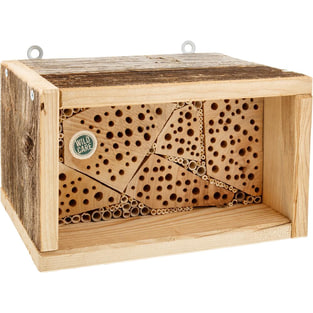
Weather-resistant insect hotel for beneficial insects, made from reclaimed wood from farmhouses
-
 CHF 27.50swisspet
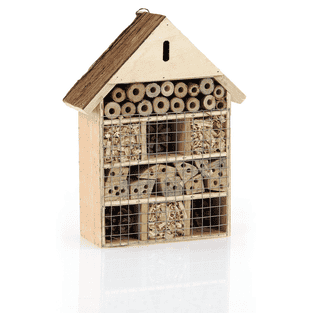
Nesting and overwintering aid for beneficial insects, made of wood
-
 CHF 18.20swisspet
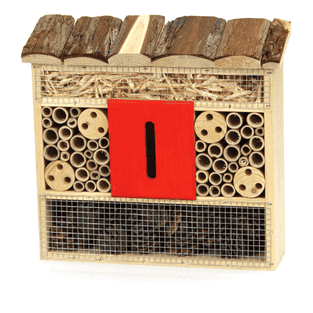
Nesting and overwintering aid for beneficial insects, made of wood and bark
-
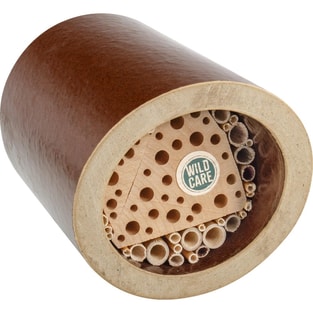 CHF 58.90WildCare
High-quality, weather-resistant stoneware housing for beneficial insects


Which material attracts which insects?
The filling of an insect hotel
An ideal insect hotel offers suitable nesting and hibernation opportunities for various insect species. It should be made of natural materials such as wood, straw, reed or clay and be placed in a sunny spot that is sheltered from the wind and rain. The individual compartments of the insect hotel should have different diameters and depths to attract different insects.
Typical inhabitants of an insect hotel include wild bees, bumblebees, butterflies, ladybugs, lacewings and earwigs. These insects are useful for pollinating plants and controlling pests. An insect hotel is therefore not only a decorative addition to the garden, but also an important contribution to nature conservation.
Tubes
Wild bees, wild wasps, mason bees, masked bees and leafcutter bees
Condo and pithy plant stems are particularly popular materials for insect hotels. Condo stems are used as nesting holes. Reeds are particularly popular here, as are bamboo tubes. With plant stems, it is important to ensure that the cut edges are straight and not frayed or splintered.
A simple and inexpensive option is bamboo tubes, which can be bought in various lengths and diameters at DIY stores or online. You should make sure that the tubes do not have any sharp edges that could injure the insects' wings. The tubes should also be replaced regularly to prevent mold and parasites.
Another option is wooden tubes, which you can drill yourself from hardwood such as beech or oak. Wooden tubes are somewhat more durable than bamboo tubes and offer good protection against Moisture and cold.
Wooden tubes are particularly suitable for horned mason bees, red mason bees and wood bees. Care should be taken to ensure that the tubes have a diameter of 2 to 10 mm and a depth of at least 10 cm. In addition, the tubes should not be painted or treated, as this could deter the insects.
Another option is to use cardboard tubes, which you can roll yourself from corrugated cardboard or newspaper. Cardboard tubes are very flexible and can be adapted to different shapes and sizes.
Cardboard tubes are particularly suitable for wild bees , such as the common hole bee or the red mason bee. You should make sure that the tubes have a diameter of 4 to 8 mm and a length of 15 to 20 cm. You should also protect the tubes from moisture by placing them in a Can or box.
Wood wool
Lacewing, ladybug, earwig
Wood wool is a popular material for insect hotels as it provides good insulation and creates many cavities for the insects to nest in. Wood wool consists of thin wood fibers that are processed into a loose fleece. Ladybugs, earwigs and lacewings in particular like to nest in wood wool.
Straw
Straw is a simple but effective material for an insect hotel that provides shelter for many useful insects. With a little skill and creativity, straw and other natural materials can be used to create an attractive and varied insect hotel.
Cones
Ladybirds, butterflies, beetles, ants, moths
Cones are a popular component for insect hotels as they contain many cavities and crevices in which insects can hide and nest. Cones are also natural and biodegradable, making them an environmentally friendly choice.
There are different types of cones that are suitable for an insect hotel. The most important criteria are that the cones are dry, clean and free from mold or pests. In addition, the cones should not be too small or too large so that they fit well in the insect hotel and do not take up too much space. Some examples of suitable cones are
- Pine cones: they have an elongated shape and many scales that are easy to open and close. They provide space for various insects such as wild bees, lacewings and earwigs.
- Spruce cones: They have a round shape and firm scales that are not so easy to open. They provide protection for insects such as ladybugs, butterflies and beetles.
- Pine cones: They have an oval shape and soft scales that are easy to peel off. They provide food for insects such as ants, wasps and moths.