
 EN
EN  DE
DE  FR
FR 


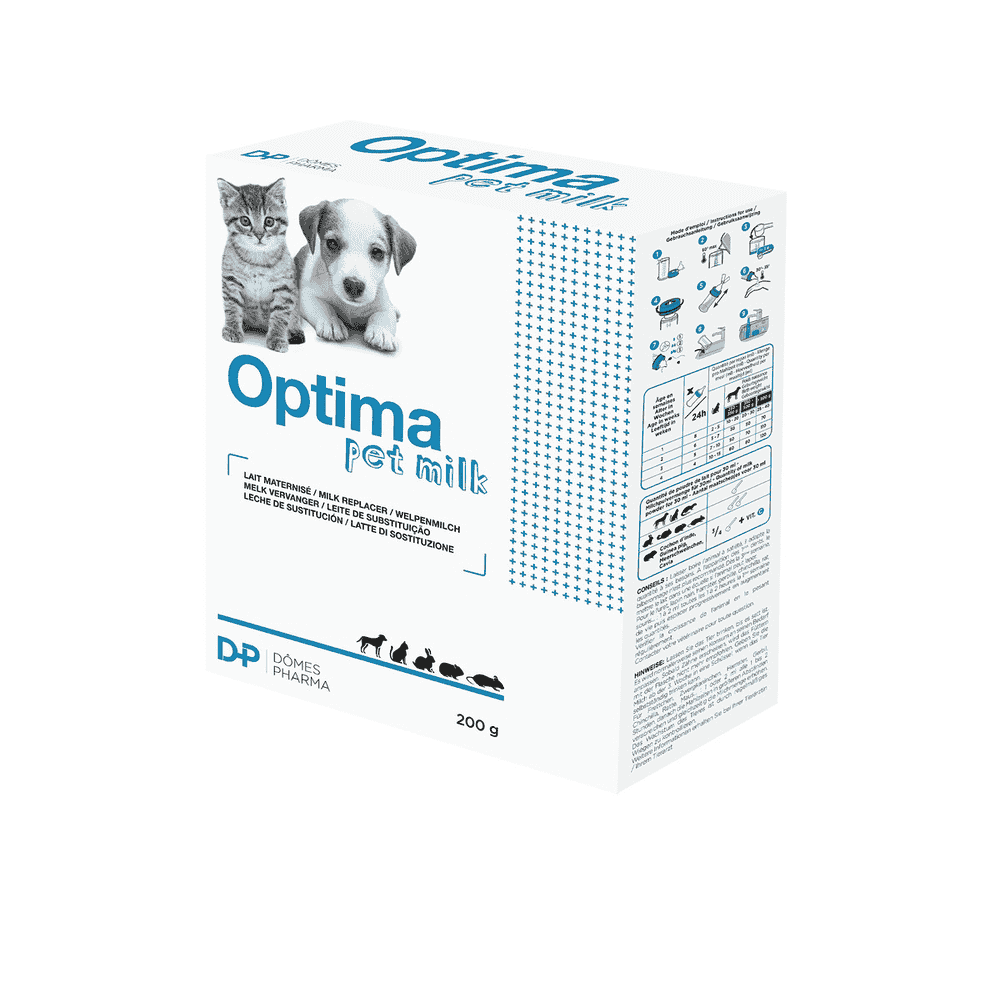




Optima Pet Milk
Complete feed as a milk substitute for puppies, kittens, and other small mammals, including a feeding kit
 Delivery time: 1-2 working days
-
- - 10 %
from CHF 22.85
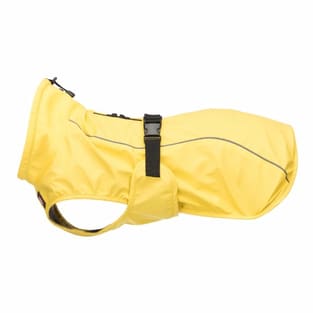
CHF 25.40TrixieRain coat for dogs to protect them from rain and Moisture
Customer note:
We would like to take this opportunity to point out that you cannot return ordered dog clothing. -
 Free shipping
from CHF 87.80
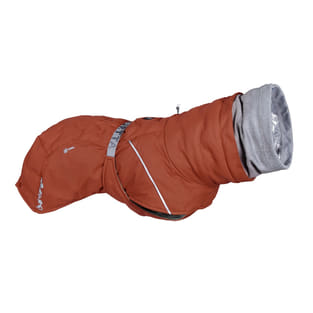
HurttaWarm dog coat to protect your dog from the coldest temperatures
Customer note:
We would like to take this opportunity to point out that you cannot return ordered dog clothing.


-
 For cats
-
For dogs
-
Suitable for young animals
-
Suitable for young animals
-
Supplements
-
for small pets



TVM Optima Pet Milk Formula
Optima Pet Milk is a complete feed that serves as a high-quality mother's milk substitute for puppies, kittens, and small pet mammals. The formula complies with the recommendations of FEDIAF and nutritionists to ensure optimal digestion and balanced growth. Skim milk powder and whey proteins ensure high digestibility. The fat-to-crude protein ratio is similar to that of canine and feline milk and ensures an optimal energy supply. To guarantee good digestibility, the milk is produced entirely without starch, as very young animals do not yet synthesize enough amylase. Combined with an optimized lactose content, it is perfectly suited to sensitive digestive systems. The formula is enriched with DHA (docosahexaenoic acid) to support vision and cognitive function. The balanced omega-6-to-omega-3 ratio prevents competition between fatty acids as they pass through the intestinal barrier. In addition, the powder contains taurine, an essential amino acid for visual development that kittens, in particular, cannot synthesize on their own. A balanced supply of vitamins and trace elements rounds out the nutritional profile. Its isotonicity (osmolality similar to that of mother’s milk) helps prevent the risk of dehydration.
The milk is packaged in resealable 200-g pouches under nitrogen to optimally preserve its nutritional value. Unopened, the product has a shelf life of 2 years; once opened, it lasts for 1 month. Available in 200-g, 400-g, and 1-kg packages. Each package contains the corresponding number of 200-g pouches as well as a feeding kit for immediate use (the 1-kg package contains two kits). The set consists of a sturdy 80-ml bottle with a scale and wide neck, a leak-proof securing ring, an ergonomic 5-g measuring spoon, and pre-punched, ready-to-use natural rubber nipples (one dog model DP-1 and two kitten models DP-2).
Benefits:
- A formula similar to breast milk for optimal digestion and ideal energy intake
- Completely starch-free and with an optimized lactose content
- Enriched with DHA and taurine for brain development and vision
- Prevents dehydration thanks to an isotonic formulation
- Long shelf life thanks to nitrogen-flushed packaging in resealable pouches
- Includes a complete feeding kit for immediate use
Applications:
- For rearing orphaned animals
- To supplement maternal lactation (if lactation is insufficient, the mother is sick or exhausted, or the litter is very large)
- In cases of agalactia, which can result from inadequate nutrition, stress, premature birth, or a medical condition
- After a cesarean section
Dosage (per bottle with 30 ml of water):
- Puppies, kittens, ferrets: 1 measuring spoon
- Dwarf rabbits, chinchillas, hamsters, gerbils, degus, rats, mice: 2 measuring spoons
- Guinea pigs: 3/4 measuring spoon (equivalent to 3.75 g of powder) plus vitamin C supplementation (6 mg per 100 g of body weight per day)
Strategies and best practices before feeding:
- Check the newborn’s body temperature before each feeding: below 36 °C = hypothermia. Do not feed the animal until it has warmed up.
- Weigh the animal before each feeding to monitor weight gain.
- To adjust the milk flow to the puppy’s individual needs, you can choose between different flow rates by holding the corresponding number toward the puppy’s nose (1: low flow / 2: medium flow / 3: high flow).
- Before each feeding, massage the perianal area with a cotton swab soaked in lukewarm water (until the age of 3 weeks) to trigger the urination and defecation reflexes, and perform abdominal massages.
- During the first weeks of life, puppies should be kept at an ambient temperature of 25 to 30 °C and protected from drafts.
- If the sucking reflex is present, bottle-feeding is the appropriate method, as the newborn will stop drinking once the required amount has been consumed.
Preparing puppy formula:
- Warning! Cow’s milk is not suitable and can cause severe diarrhea and digestive problems.
- Prepare the bottle immediately before feeding, not in advance, and do not heat the milk in the microwave.
- Check the water temperature (max. 40 to 60 °C before mixing).
- Pour the required amount of hot water into the clean bottle.
- Add the required level measuring spoons of powder.
- Select the appropriate nipple size for the animal. Screw the nipple onto the bottle using the retaining ring.
- Mix the milk while simultaneously squeezing the tip of the nipple.
- Let the milk cool to a temperature of 30 to 35 °C to avoid the risk of scalding.
- The milk is now ready to feed.
- Once the animal is full, empty the bottle. Do not save the remaining milk for the next feeding. Discard any leftover milk!
- To prevent any contamination, the bottle should be thoroughly cleaned after each use (dish soap + warm water).
Feeding position:
- Physiological position: Belly down, on all fours, to prevent choking.
- Warning! An animal is not fed like a human baby!
This product can be used to raise orphaned animals, following a cesarean section, or in cases of agalactia (resulting from inadequate nutrition, stress, premature birth, or a medical condition). It is also suitable for supplementing maternal lactation when it is insufficient (due to the mother’s illness or exhaustion) or when the litter is very large.
| Animal species | Number of scoops per bottle (30 ml of water) |
|---|---|
| Puppies, kittens, ferrets: | 1 |
| Dwarf rabbits, chinchillas, hamsters, gerbils, degus, rats, mice: | 2 |
| Guinea pigs: | 0.75 (equivalent to 3.75 g of powder) plus vitamin C supplement (6 mg per 100 g of body weight per day) |
If the sucking reflex is present, feeding with a bottle is the appropriate solution. Prepare the bottle immediately before feeding, not in advance. Pour the required amount of hot water (maximum 40 to 60 °C before dissolving) into the clean bottle and add the required level measuring spoons of powder. Select the appropriate nipple size for the animal and screw the nipple onto the bottle using the retaining ring. Mix the milk while simultaneously squeezing the tip of the nipple. Allow the milk to cool to a temperature of 30 to 35 °C to avoid the risk of burns.
To adjust the volume of milk to the puppy’s individual needs, you can choose between different flow rates. To do this, point the corresponding number toward the puppy’s nose (1: low flow, 2: medium flow, 3: high flow). The physiological feeding position is on its stomach, on all fours, to prevent choking.
When the puppy is full, empty the bottle. Discard any excess milk and do not save leftover milk for the next feeding. To prevent any contamination, thoroughly clean the bottle with dish soap and warm water after each use.
Once opened, the product has an optimal shelf life of 1 month. Unopened, it has a shelf life of 2 years.
Note: Check the newborn’s body temperature before each feeding. A temperature below 36 °C indicates hypothermia. Therefore, do not feed the animal until it has been warmed up. During the first weeks of life, young animals are not yet able to regulate their body temperature efficiently. They should therefore be kept at an ambient temperature of 25 to 30 °C and protected from drafts.
Note: Weigh the animal before each feeding to monitor its growth and weight gain.
Note: For orphaned animals, it is important to mimic the mother’s behavior after nursing. Before each feeding (up to 3 weeks of age), massage the perianal area with a cotton swab soaked in lukewarm water to stimulate the urination and defecation reflexes. Also perform abdominal massages.
Note: Cow’s milk is not suitable and can lead to severe diarrhea and digestive problems. Do not heat the milk in the microwave. An animal is not nursed like a human baby.

Analytical constituents
| As fed | |
|---|---|
| Crude protein | 28.2% |
| Crude fat | 30.4% |
| Crude fiber | 1.0% |
| Crude ash | 6.5% |
| Calcium | 1.0% |
| Phosphorus | 0.7% |
| Sodium | 0.6% |
Nutritional additives per kg:
, iron (3b103) 60.0 mg, zinc (3b605) 60.0 mg, Manganese (3b503) 50.0 mg, Iodine (3b202) 1.0 mg, Selenium (3b801) 0.36 mg, Choline chloride (3a890) 1,000 mg
Sensory additives per kg:
, Vitamin A (3a672a) 11,300 IU, Vitamin D3 (3a671) 2,000 IU, Vitamin E (3a700) 40 IU, Vitamin K3 (3a710) 1.3 mg, Vitamin B1 (3a820) 0.03 mg, Vitamin C (3a300) 60 mg, Taurine (3a370) 2,500 mg, DL-Methionine (3c301) 2,000 mg
Technological additives per kg:
, butylhydroxytoluene (BHT) (E321) 40 mg
Skim milk powder, vegetable oils (palm and coconut oil, flaxseed oil (0.9%)), milk protein powder, whey protein powder, whey, dried algae 0.3% (Schizochytrium sp.), sodium chloride, calcium carbonate
Customer Questions

5.0/5.0
(5 reviews)
-
Lait
Ne fait pas de grumeaux
-
Lait maternisé
Excellent, pas de problème de digestion et les bébés chats en raffolent.
-
Rasch und Zuverlässig
Danke für die nette Hilfe am Telefon und für den ausgezeichneten Service.
-
Ausgezeichnet
Sehr gut verträglich, leicht löslich, keine Klumpenbildung
-
Lait pour chatons
Très bon produit !!

-
- - 10 %
from CHF 22.85
CHF 25.40TrixieRain coat for dogs to protect them from rain and Moisture
Customer note:
We would like to take this opportunity to point out that you cannot return ordered dog clothing. -
Free shipping
from CHF 87.80
HurttaWarm dog coat to protect your dog from the coldest temperatures
Customer note:
We would like to take this opportunity to point out that you cannot return ordered dog clothing.
-
- - 10 %
from CHF 22.85
CHF 25.40TrixieRain coat for dogs to protect them from rain and Moisture
Customer note:
We would like to take this opportunity to point out that you cannot return ordered dog clothing. -
Free shipping
from CHF 87.80
HurttaWarm dog coat to protect your dog from the coldest temperatures
Customer note:
We would like to take this opportunity to point out that you cannot return ordered dog clothing. -
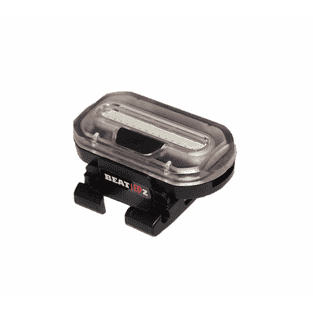
from CHF 21.80
GrossenbacherHigh-quality LED lights for optimum visibility and safety at night
-
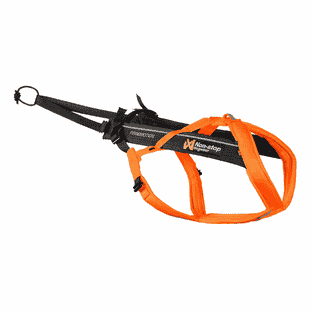 Free shipping
from CHF 83.50
Non-stop dogwearVersatile pulling harness for running, cycling and other activities with a high pulling point above the dog
-
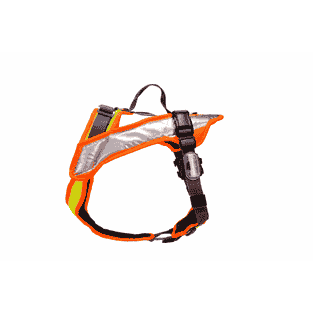 Free shipping
from CHF 77.00
GrossenbacherIndividually adjustable reflective harness for each dog, for best visibility at night
Note to customers: Labelling may differ from the size chart (see ‘Additional information’)
-
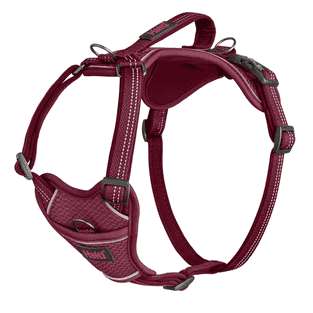
from CHF 53.80
HaltiLightweight and cushioned harness with reflectors in the color magenta
-
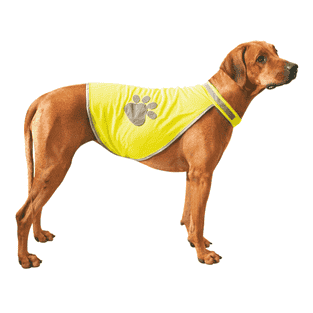
from CHF 9.80
swisspetReflective vest for better visibility of the dog in the dark
Available in 3 sizesCustomer note:
We would like to take this opportunity to point out that you cannot return ordered dog clothing. -
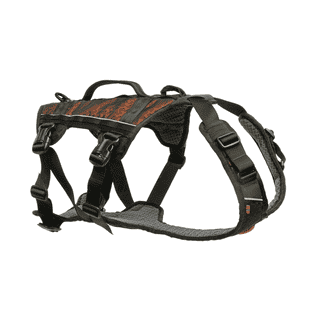 Free shipping
from CHF 76.30
Non-stop dogwearMulti-purpose dog harness for optimum power transmission when pulling, ideal for trekking, cycling etc.
Customer note: We would like to take this opportunity to point out that this item cannot be returned.
-
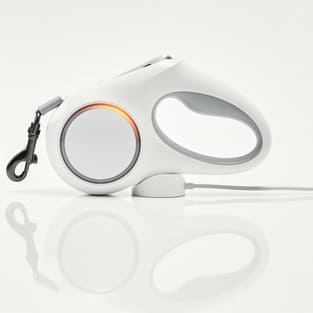
- - 15 %
Special Price CHF 58.20 Regular Price CHF 68.50PETKIT4.7 meter long pull-out line with double light system for night use
-
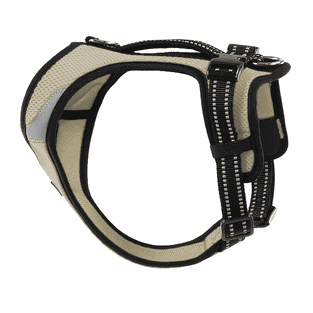
from CHF 38.40
swisspetRobust dog harness with reflective inserts


Secure payment
When you buy online, all your data is encrypted using SSL (Secure Socket Layer).
Loyalty points
As a registered customer, you collect loyalty points with every purchase: 500 points = 10 francs.
Fast delivery
Online orders are usually delivered within undefined! (Does not apply to prepayment).


