

 EN
EN  DE
DE  FR
FR 
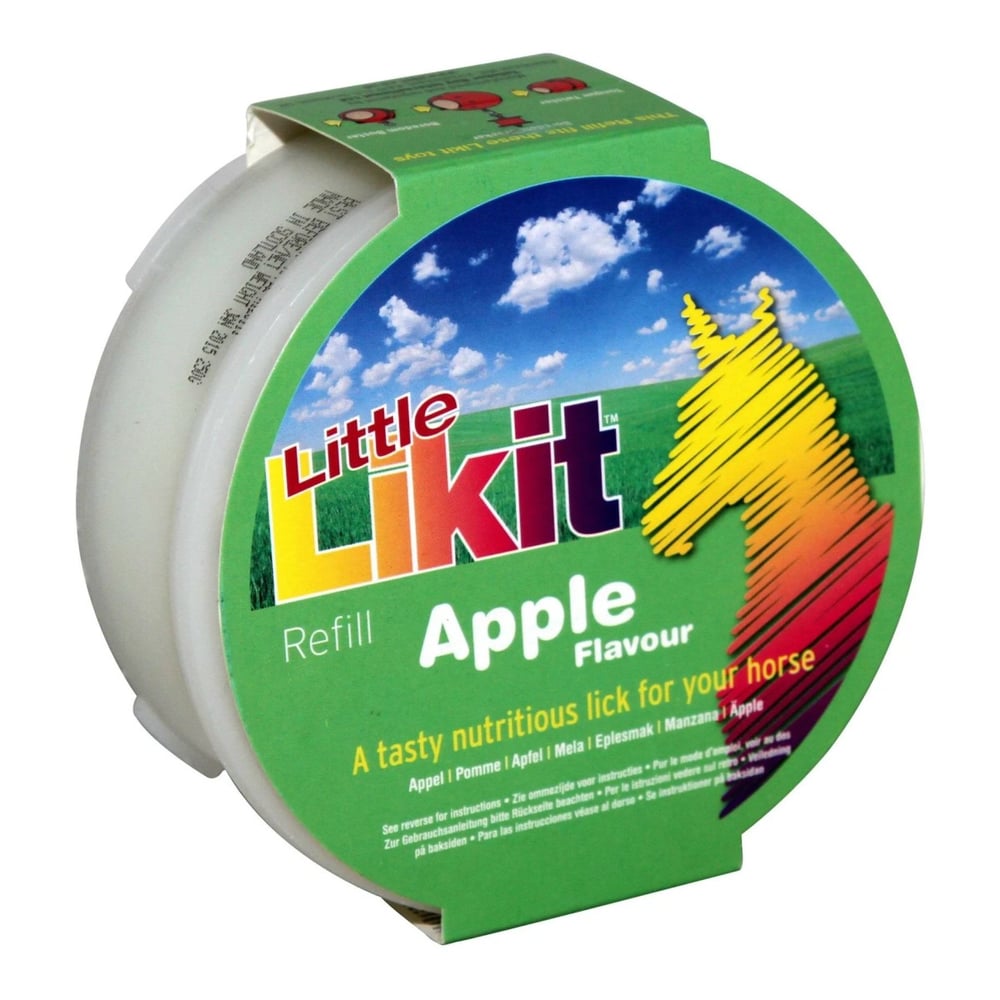


Refill apple
Lickstone refill with apple flavor for Likit Boredom Breaker/Buster
 Delivery time: 1-3 business days
-
 CHF 83.70Free shippingLikit
Challenging activity toy for motivated and/or Likit-experienced horses

-
from CHF 34.70
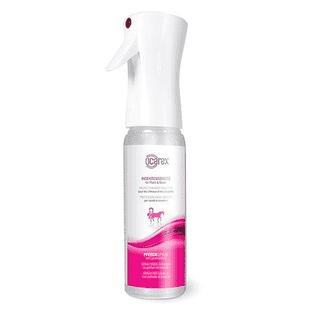
IcarexItch-relieving insect repellent for horses and humans, even in challenging weather conditions

-
 Supplements
-
Grainfree
-
Vegetarian
-
For horses
-
Doping-free




Likit Refill Apple
Tasty lick, consisting of dextrose and vitamins, for refilling Likit holders (Boredom Breaker and Boredom Buster).
Benefits:
- tasty fun to play with
- dispels boredom and restlessness in the stable
- natural grape sugar molasses enriched with vitamins
- suitable for the Likit holders Boredom Breaker and Boredom Buster
- recommended by renowned equine behavioral specialists from Cornell University (USA) and Bristol University (England)
Isn't sugar bad for my horse?
The biggest source of sugar in your horse's diet comes from the roughage it consumes. For example, grass can provide between one and two kilos of sugar per day for a 500 kg horse in summer, while good hay can provide up to half a kilo of sugar in winter. Other sources of sugar can be chaff (200 g sugar/kg) or sugar beet (50 g sugar/kg), which are molassed, as well as compound feeds containing "sweeteners" in the form of syrups/molasses etc., providing up to 100 g sugar/kg.
The average sugar content of Likits is 80 %, so with the maximum recommended daily ration of 300 g, the total sugar intake from Likits is only 240 g - very similar to a kilo of molassed chaff or 2.4 kilos of concentrates.
The horse has evolved as a herbivore, eating grass and other pasture plants that are naturally rich in sugar. As these sugars are consumed under natural grazing conditions, we can conclude that sugar is a normal part of the average horse's diet. Simple sugars are digested very efficiently in the horse's small intestine and do not reach the large intestine. Sugar is essential for the horse's well-being - without it the horse would die.
Sugar consumption in humans is a major cause of tooth decay, but it's not the total amount that matters, it's how it's ingested! Frequent consumption of sugary foods, drinks or sweets provides bacteria with food, which they use to produce acid that attacks tooth enamel. Eating sugar as part of a meal is less harmful as saliva helps to wash away sugar residue and brushing teeth after a meal removes the problem.
Horses are quite different, as they produce a lot of saliva when they eat and regularly "rinse" their teeth with it. It is practically impossible for sugar residue to stick to the teeth so that bacteria cannot find food for acid formation. Of course, if the horse's teeth are damaged, food debris can get stuck, creating a risk of tooth decay. But as we all know, it is important to have our horse's teeth checked every six months to ensure that they remain in good condition and thus eliminate the risk of tooth decay.
Sugar is not a major cause of tooth decay in horses!
Source: Dr. Derek Cuddeford, Royal (Dick) School of Veterinary Studies, University of Edinburgh, Scotland, UK
Information on doping relevance in our products is based on the manufacturer's specifications and is not regularly updated. In particular, the list of doping-relevant substances of the International Equestrian Federation (FEI) was used for the evaluation. However, it should be noted that national doping regulations may deviate from these international guidelines. In addition, the relevance of doping, especially of herbal ingredients, is subject to continuous change. For this reason, we recommend that you regularly inform yourself about the latest data in equestrian sport by consulting the FEI list of prohibited substances.
Fill the refill stone into the holder and give it to the horse for free use, but check regularly how much the horse consumes each day.
Horses normally graze for around 16 hours a day. A 500 kg horse consumes at least 50 kg of fresh grass, which corresponds to about 2 kg of sugar per day or 125 grams per hour of grazing time. It is recommended that horses consume a maximum of 300 grams of Likit per day, which corresponds to approximately 2 hours of grazing time.
Grape sugar molasses mixed with vitamins and flavor
Customer Questions

0.0/5.0
(0 reviews)
-
CHF 83.70Free shippingLikit
Challenging activity toy for motivated and/or Likit-experienced horses
-
from CHF 34.70
IcarexItch-relieving insect repellent for horses and humans, even in challenging weather conditions
-
from CHF 34.70
IcarexItch-relieving insect repellent for horses and humans, even in challenging weather conditions
-
-
 Free shipping
from CHF 78.50
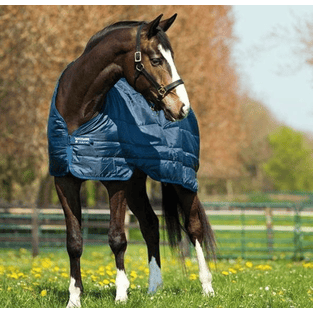
HorsewareLightweight underblanket with 100 g filling, can be combined with Horseware blankets -
from CHF 43.80
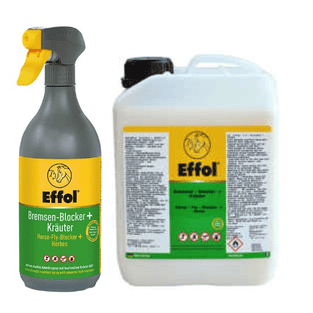
EffolInsect repellent spray with Icaridin and a herbal scent to protect against horseflies, mosquitoes, flies, and ticks -
from CHF 48.00
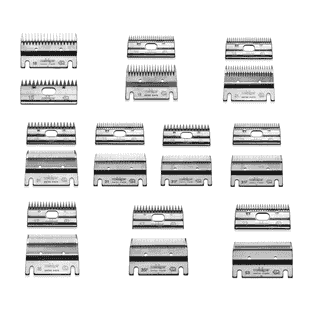
HeinigerVarious clipper blade sets consisting of upper & lower blades for Heiniger horse/cattle clippers
-
 Free shipping
from CHF 49.80
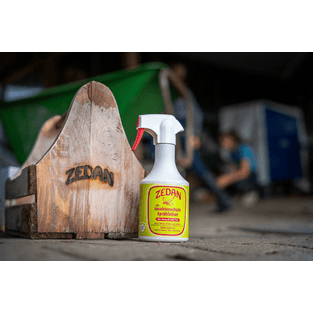
ZedanAlcohol-free insect repellent against horseflies, flies & mosquitoes, for horses & riders
-
- - 10 %
from CHF 34.65
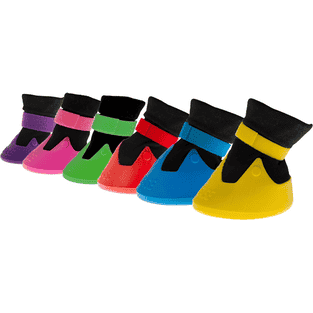
CHF 38.50KerblTreatment shoe for horses with problem hooves for filling with various remedies.
We would like to take this opportunity to point out that you cannot return treatment shoes that you have ordered.


Secure payment
When you buy online, all your data is encrypted using SSL (Secure Socket Layer).
Loyalty points
As a registered customer, you collect loyalty points with every purchase: 500 points = 10 francs.
Fast delivery
Online orders are usually delivered within undefined! (Does not apply to prepayment).


