

 EN
EN  DE
DE  FR
FR Bedding & mats
Filters
-
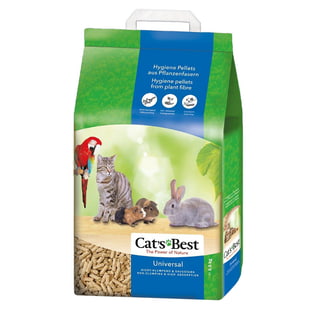
from CHF 11.30
Cat's BestMade from 100% natural plant fibers, suitable for various animals
-
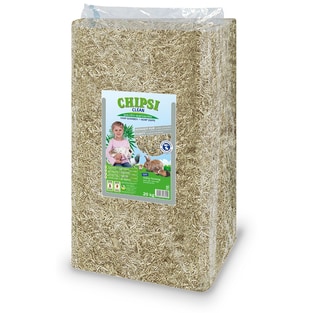
-
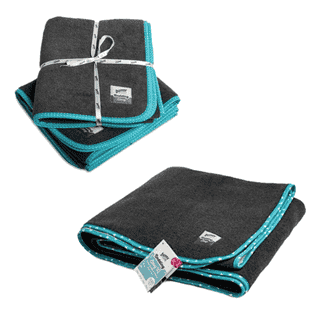
from CHF 43.20
bunny natureUrine-absorbing litter mat, machine washable
-
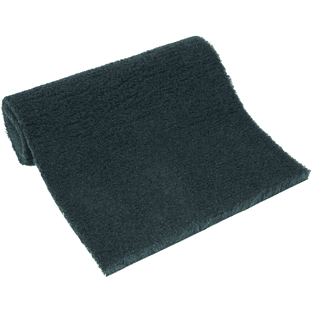
from CHF 48.60
PetlifeWarm pad recommended by vets for cats, dogs & rabbits
-
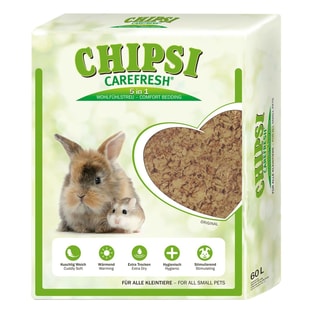 CHF 41.40CHIPSI
Cuddly soft and low-dust wood bedding
-
-
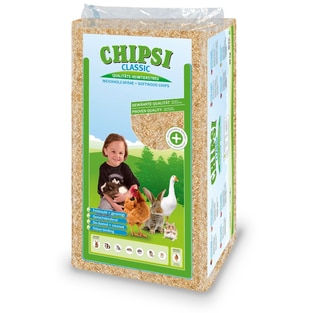 CHF 28.50CHIPSI
Dedusted softwood shavings for rodents, chickens & ornamental birds
-
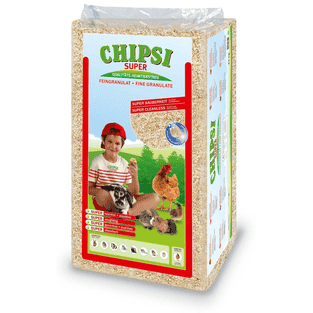 CHF 30.90CHIPSI
Wood litter with extremely high absorbency and odor absorption
-
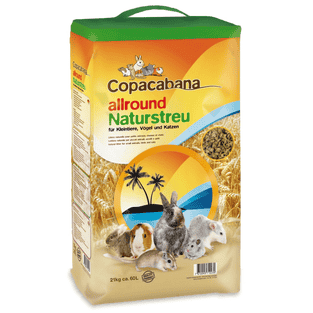 CHF 36.80CopacabanaWheat straw pellets as bedding for rodents, birds & cats


Bedding for small animals and rodents is an important part of their living environment as it helps to maintain their hygiene and provide them with a comfortable living space. There are now many different types of bedding that can be selected depending on the animal species and individual needs. Some examples include
- Straw
- Wood shavings (fine, coarse, extra low-dust,...)
- Wood pellets from various types of wood Types of wood
- Cedar wood (antiparasitic and low odor, not to be used alone)
- Hemp bedding
- Cotton bedding
- Straw pellets
Straw is a popular choice of bedding for small animals such as rabbits and guinea pigs. It provides a soft and insulating surface on which the animals can lie and move around. Straw can also be used as food. Optionally, a small layer of wood shavings or hemp bedding or other absorbent carpet pad can be placed under the straw to better absorb urine and odors. Special absorbent mats are also often used for keeping rabbits and guinea pigs indoors .
Low-dust wood shavings are ideal for rodents such as hamsters, mice and degus, which like to dig tunnels. Hemp bedding is less recommendable for these rodent species, as the burrows do not hold so well and the hemp shives are too sharp for these very small and therefore sensitive rodents and can prick them. For even more stability, some straw or hay can be mixed in with the wood shavings. The key to perfect bedding in the hamster/mouse/degu enclosure is to press the bedding down firmly (e.g. with a book or a chopping board) and to ensure a bedding height of at least 25 cm.
Wood shavings or hemp bedding are suitable for rats, as are many other types of bedding, such as wheat straw pellets, small animal bedding made from recycled paper or corn. These materials absorb Moisture well and help to reduce odors.
It is important to change or partially change the bedding regularly (except for hamsters, where a complete bedding change should only be carried out in the event of parasite infestation, illness or death) in order to maintain the hygiene of the cage or enclosure. A clean environment helps to prevent illness and promote the well-being of the animals.
When purchasing bedding, you should consider the specific needs of the animal in question as well as any allergies or sensitivities to certain materials. Ultimately, the bedding material should provide the animals with a comfortable and hygienic living space.