

 EN
EN  DE
DE  FR
FR 
Panto - for lively and vital animals
PANTO wild bird food is characterized by particularly high-quality ingredients, such as seeds, fruits, peanuts, and insects. The scatter feed products are ideal for use in birdhouses. Fat balls, feed sticks, or suet rings and similar products can be hung in trees or on your birdhouse using the practical hangers.
Filters
-
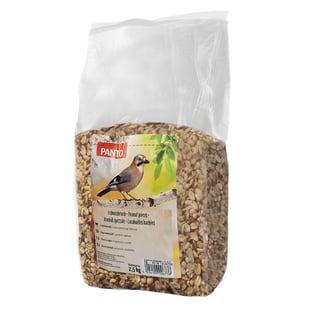
from CHF 29.20
PantoPeanuts with skin, energy and fat for wild birds
-
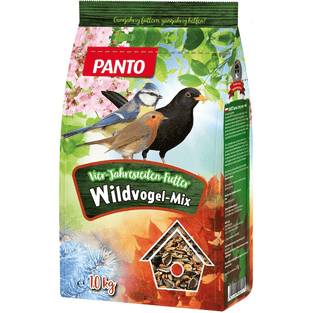 CHF 37.70Panto
Balanced and versatile feed mix for wild birds
-
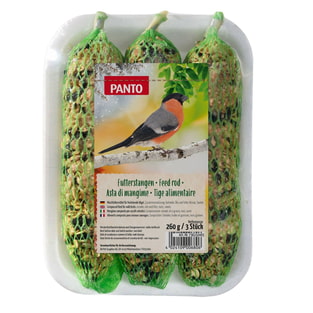 CHF 38.80Panto
Practical straight feeding stuff for wild birds
-
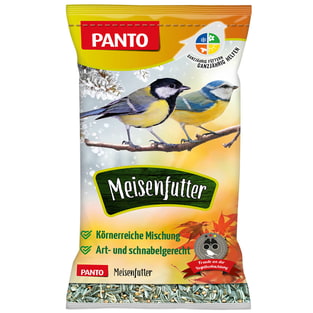
from CHF 42.90
PantoAll-year-round complete feed for tomtits
Ambrosia-controlled, without wheat, oats or barley -
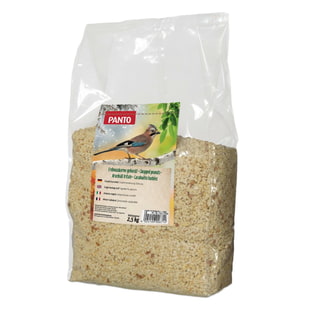
from CHF 34.10
PantoNatural energy from fat and protein, for wild birds
-
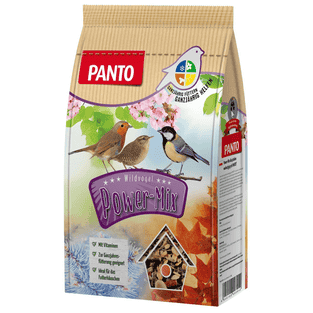 CHF 48.50Panto
Compound feed for free-living birds, provides plenty of energy
-
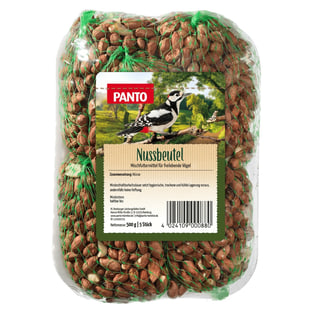 CHF 38.80Panto
Compound feed for wild birds and squirrels
-
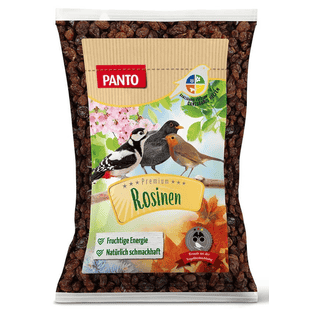
-
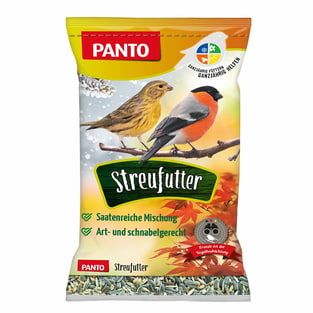 CHF 35.10Panto
Year-round complete feed for wild birds
Ambrosia-controlled -
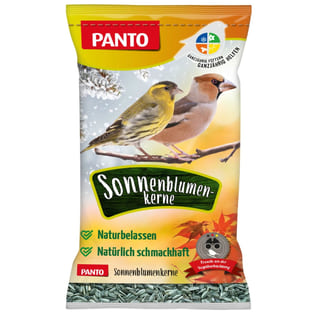
from CHF 39.00
PantoNatural sunflower seeds with shell, for wild birds
-
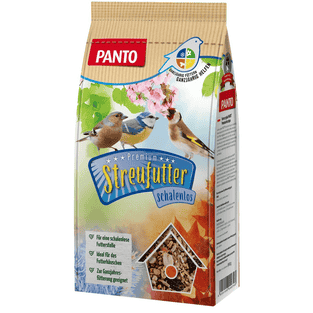 CHF 46.60Panto
Shell-less food for wild birds, particularly suitable for use on terraces and balconies
-
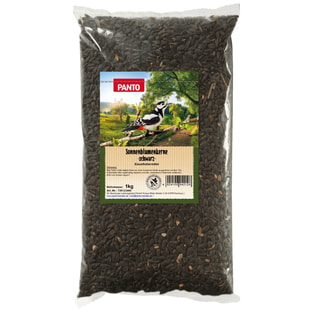
CHF 35.10
PantoNatural sunflower seeds with shell, black, for wild birds
-
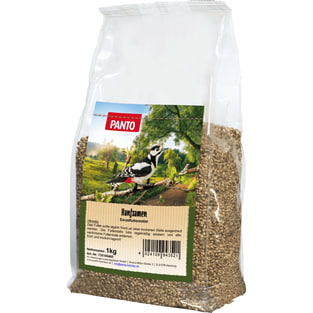 CHF 48.80PantoHigh-quality straight feeding stuff for wild birds
 -
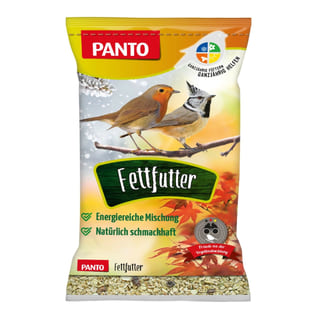
-
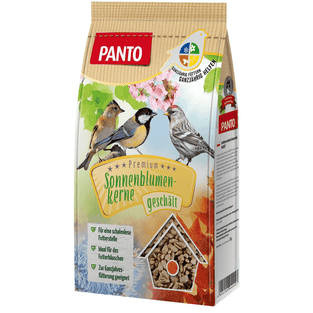
CHF 54.70
PantoSunflower seeds without shells, for wild birds


Food for garden and wild birds from PANTO
When the garden is teeming with life or there’s chirping on the balcony, wild birds feel right at home. This is primarily because free-living birds find food here that helps them survive the cold winter months or ensures a steady supply of bird food year-round, especially for growing young birds.
Which bird food is suitable for wild birds in the garden?
Sunflower seeds and high-fat peanuts are ideal bird foods, as they are popular to eat and provide sufficient energy during the breeding season, winter months, and other stages of life. Furthermore, seeds are the perfect supplement for feeding wild birds.
Which wild bird food is recommended in winter?
In winter, food that is particularly rich in energy and fat should be provided. A mix of scatter feed and fat balls or suet rings is recommended. In addition to food, it helps wild animals when water is provided in a birdbath or bowl. However, this must be cleaned regularly, as must the feeding bowl.
Which wild bird food should be used in spring?
Spring is nesting and breeding time in the bird world. Therefore, wild birds require bird food rich in calcium and protein in the spring.
Depending on the area, winter feeding can begin as early as September so that the birds can get used to the feeding spots and safely visit the "bird restaurant" during frost and snow to satisfy their hunger.
Why does year-round feeding of wild birds make sense?
Due to urbanization and the decline of green spaces, natural food sources are increasingly reduced. However, especially in spring and summer, the animals' energy requirements are particularly high: searching for mates, territorial fights, and breeding. Therefore, an energy-rich supply specifically for wild birds is crucial for survival.
How long can you feed wild bird food?
Typically, feeding takes place in winter from November to the end of February. Many birds will accept the offer during frost or snow. However, year-round feeding is generally recommended. In the warmer months, care should be taken to change the food regularly, otherwise it may spoil. Furthermore, the food supply should be higher in the colder months than in the warmer months.
What to do with old bird food?
Wet remains in the birdhouse or at the feeding spot should be disposed of. These can start to mold and thus become not only unpalatable but also harmful to health. Expired food should also be discarded, as the fat contained within may have become rancid, which can lead to stomach upsets in birds.
How should wild bird food be stored?
Bird food should be stored in a dry and well-sealed place to avoid mold growth and to make it inaccessible to mealworms and food moths. Ideally, choose a dark location as well so that the seeds do not germinate.
Why should bird food be free of ragweed (Ambrosia)?
The pollen of the Ambrosia plant, botanically known as common ragweed (Ambrosia artemisiifolia), is considered highly allergenic and causes massive problems for allergy sufferers. To minimize the spread of this plant introduced from America, bird food should not contain any ragweed seeds. PANTO wild bird food is Ambrosia-free.