
 EN
EN  DE
DE  FR
FR 7 Tips Against Bad Breath
-
 By
Dr. med. vet. Sabina Büttner
By
Dr. med. vet. Sabina Büttner - Aug 20, 2019
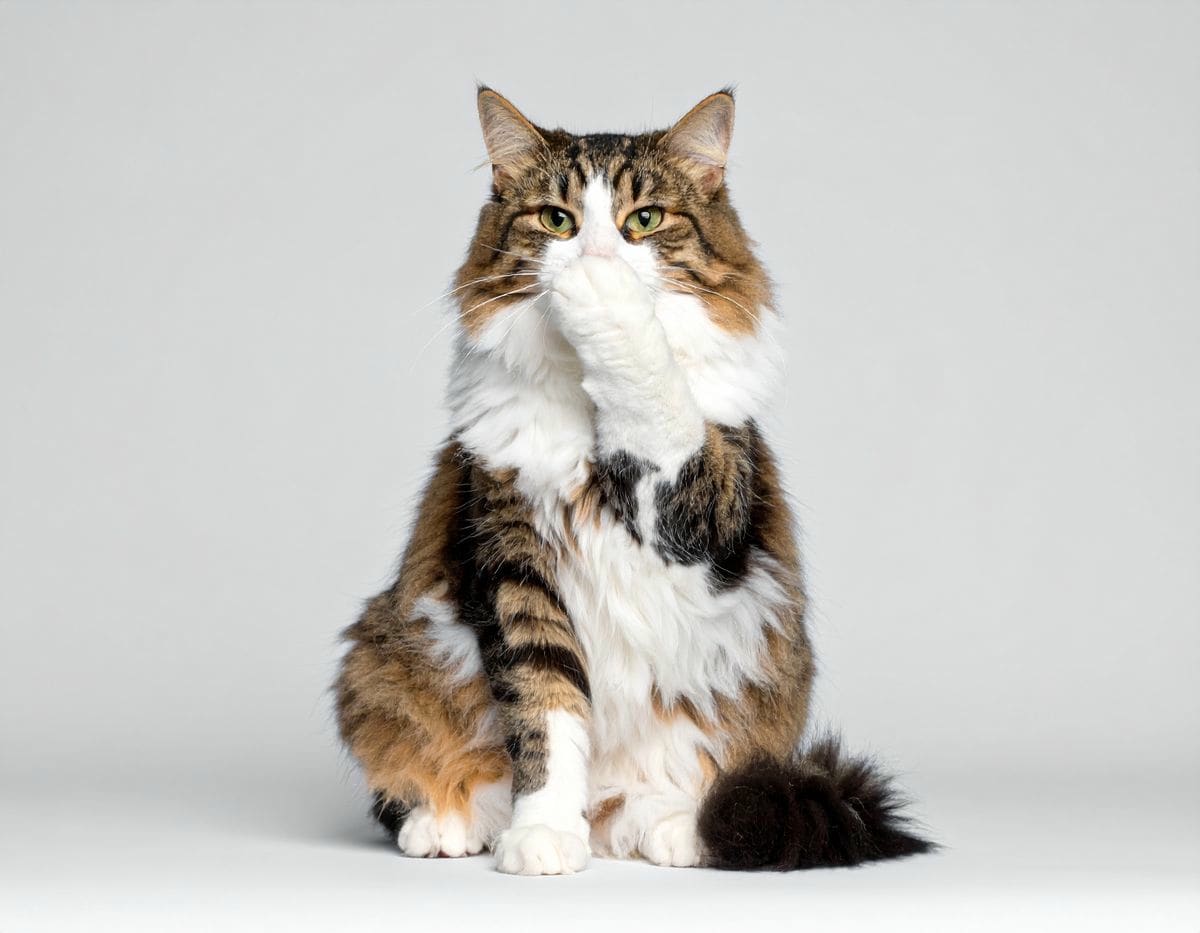
Many pet owners are familiar with the problem: their dog or cat has unpleasant breath. We're here to give you 7 helpful tips on how to combat this issue.
There are many reasons for bad breath in dogs and cats. Most commonly, plaque and tartar lead to bad breath. However, serious illnesses can also be behind it. If the unpleasant odor appears suddenly and without an obvious reason, it is crucial that the affected animal is examined by a vet to clarify whether a kidney disease or a metabolic disorder might be present.
If no illness is present, plaque and tartar are usually the culprits. It is often necessary to have the tartar removed by a vet. Afterwards, however, owners can do a lot to ensure the teeth remain healthy and clean in the long term and bad breath does not reappear.
1. Brushing Teeth
Brushing your pet's teeth is certainly not for everyone. However, for dogs and cats prone to severe tartar buildup, there is no more effective method of prevention. Dogs that are slowly accustomed to it tolerate teeth brushing very well over time. With cats, this is admittedly often difficult or even impossible, and other prophylactic methods must be used.
2. The Right Food
There are dry foods specifically designed for dental cleaning that contribute to maintaining healthy teeth and thus preventing bad breath. Due to a special fiber arrangement in the kibbles, they only break when the entire tooth has deeply penetrated them. Specific additives prevent the deposition of calcium ions into the plaque and thus the formation of tartar. For these foods to be optimally effective, however, it is important that they are given regularly and before tartar has formed again.
3. Food Supplements
Food supplements with seaweed help prevent plaque from adhering and can soften existing tartar. This makes it easier to remove. The teeth become visibly cleaner, and bad breath diminishes. Simply mixed into the food daily, the application is also very easy.
4. Chew
Long and intensive chewing can prevent the formation of plaque and tartar and thus also combat bad breath. Chew roots and antlers are particularly well suited for long chewing. But products made from dried animal hide are also readily accepted by most dogs. Natural mint or vanilla flavors can additionally freshen a dog's breath.
5. Home Remedies
Especially parsley or mint mixed into the food are said to help our pets' breath smell better. However, foul-smelling plaque is not affected by this and must be addressed with other means.
Especially if the cause of a dog's bad breath is that it has eaten something smelly, apple pieces fed directly can quickly and easily provide relief.
6. Specific Treats
When choosing occasional treats, you can also consider dental health: There is a whole range of rewards for dogs and cats that simultaneously promote healthy teeth and fresh breath.
7. Toys
There are special dental care toys designed in material and shape to combat plaque on teeth. For cats, there are play stations that encourage them to massage their gums and thus promote dental health.

Set ipet.ch as a preferred source on Google
Never miss a tip: Set ipet.ch as a preferred source in your Google account so that our veterinary advice and pet care guides appear higher up in your search results. Optional and can be undone at any time.
Set as preferred source →Useful information at a glance
Why does my dog or cat have bad breath?
Bad breath in dogs and cats is often caused by plaque and tartar. In some cases, however, it can also indicate serious conditions such as kidney disease or metabolic disorders. If bad breath occurs suddenly and without an apparent reason, the animal should be examined by a veterinarian.
How can I brush my dog's teeth?
Brushing teeth is the most effective method for preventing tartar in dogs. Start slowly to get your dog accustomed to it. Use a special toothbrush and toothpaste for dogs. Over time, your dog will tolerate teeth brushing, and it will help reduce bad breath.
Which food options help with my pet's dental care?
There are dry foods specifically designed for dental cleaning that help prevent plaque and tartar. These foods have a special fiber arrangement that supports effective cleaning of the teeth. Regular feeding is important to achieve the best results.
Are there home remedies for bad breath in animals?
Yes, home remedies like parsley or mint mixed into the food can help freshen your pet's breath. If your dog has eaten something smelly, apple slices can quickly provide relief. However, these remedies do not affect plaque, which must be treated with other methods.
Which chews are suitable for dental care?
Chew roots, antlers, and products made from dried animal hide are ideal for preventing the formation of plaque and tartar. These chews promote long and intensive chewing, which contributes to dental health. Natural mint or vanilla flavors can additionally freshen breath.