
 EN
EN  DE
DE  FR
FR Animal By-products in Dog and Cat Food
-
 By
Dr. med. vet. Sabina Büttner
By
Dr. med. vet. Sabina Büttner - May 29, 2018
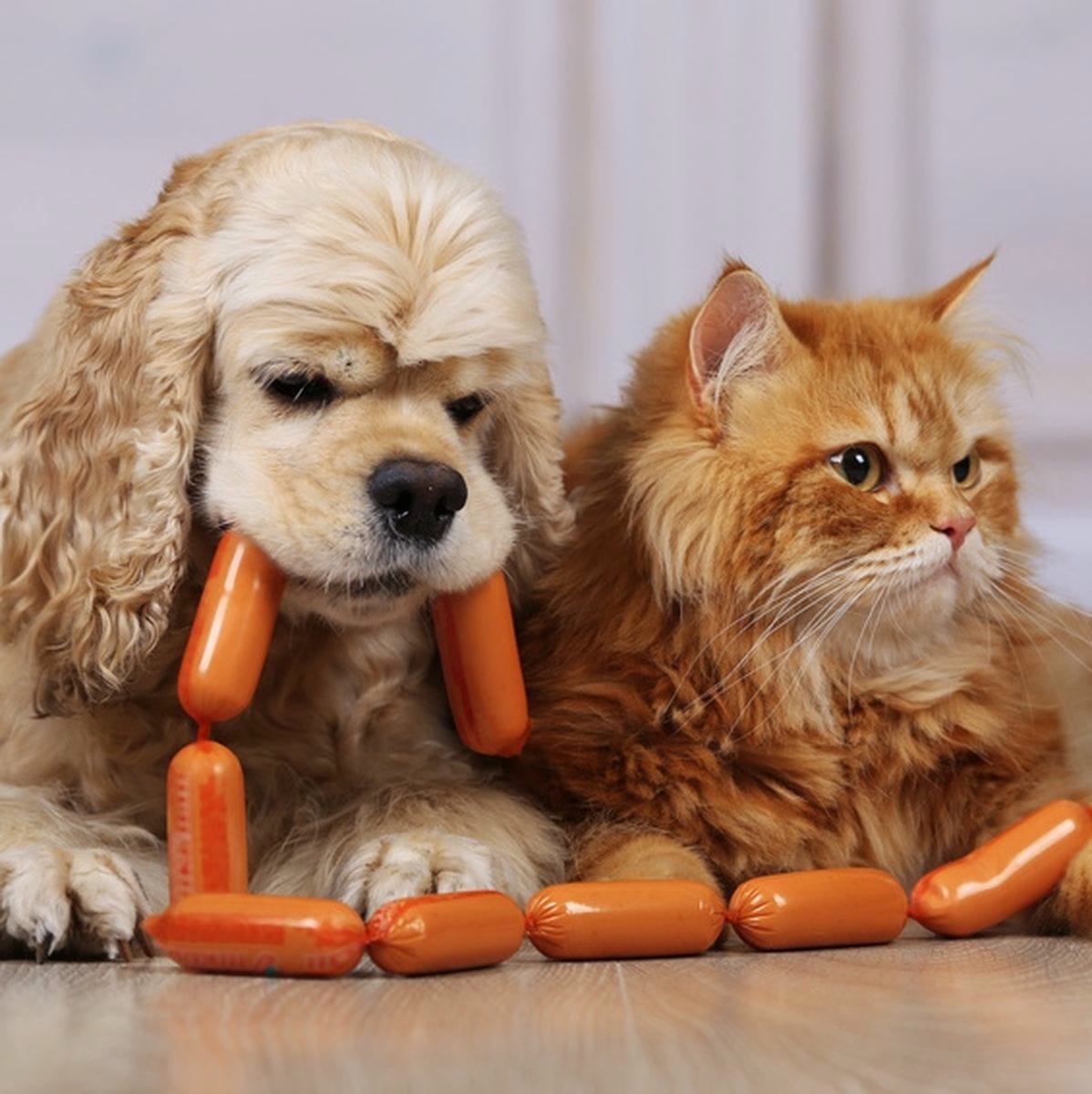
Time and again, you can read online that even high-quality dog and cat food contains only animal by-products and no actual meat. Manufacturers are accused of using only the cheapest raw materials, which are said to be harmful to the health of our dogs and cats. Is that really true?
What are animal by-products?
Today, we only use about 50% of a slaughtered animal for human consumption. The entire remainder consists of slaughter by-products, which are now referred to as ‘animal by-products’. We consider it sensible and right that more than half of a slaughtered animal is not simply incinerated, but that these parts are utilized as pet food as much as possible.
How many animal by-products are contained in dog and cat food?
It is indeed true that all animal products used in dog and cat food are animal by-products! However, this has nothing to do with the quality of these products, but simply with the fact that the relevant regulation stipulates that all animal products not intended for use as foodstuffs must be designated as animal by-products. So, even a rib-eye steak that ends up in dog food would have to be called an animal by-product.
Which animal by-products are permitted in dog and cat food?
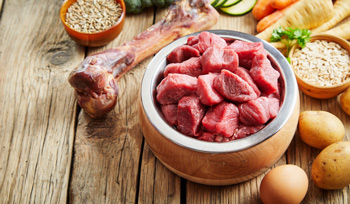
Only meat and slaughter by-products of risk category 3 may be processed into dog and cat food. These are slaughter by-products that (e.g., for commercial reasons) are not used as foodstuffs and pose no health risk to humans or animals. These include meat, bones, internal organs, rinds, udders, fats, etc.
In fact, less valuable materials such as hides, feathers, bristles, or claws are also used in the production of pet food. This is often criticized by those very circles who, in other contexts, like to point out that dogs and cats are predators and therefore eat whole prey animals (i.e., with bones, coat, and offal) and not just muscle meat. Of course, the proportion of such raw materials must not be too high, otherwise, the food becomes difficult to digest and leads to the animals experiencing flatulence and diarrhea.
Even though it is repeatedly claimed: No carcasses, stillborn, diseased, or animals not slaughtered for meat production may be used for the production of pet food!
Aren't animal by-products in pet food unhygienic?
Of course, the raw materials processed into dog and cat food often don't look appetizing in pictures! However, raw animal by-products must be continuously cooled in the slaughterhouse and during transport to the manufacturing company. In addition, it must be regularly checked that the raw materials, as well as the finished products, comply with hygienic standards.
Today, animal waste is therefore called animal by-products, which already indicates that these are not simply waste, but valuable products whose utilization in dog and cat food is very sensible.
Sources: BLV - Disposal of Animal By-products
Useful information at a glance
Does high-quality dog and cat food really contain only animal by-products?
It is correct that dog and cat food contains animal by-products. However, these are not considered inferior but are simply not intended for human consumption. Even high-quality cuts of meat that end up in pet food are referred to as animal by-products.
What are animal by-products and why are they used?
Animal by-products are parts of a slaughtered animal that are not used for human consumption. These products are valuable, and their use in pet food is sensible as they represent a sustainable use of resources.
Which animal by-products are permitted in pet food?
Only products from risk category 3 are permitted in pet food. These include meat, bones, internal organs, rinds, udders, and fats. These materials pose no health risk to humans or animals.
Are animal by-products in pet food unhygienic?
Animal by-products must be cooled at the slaughterhouse and during transport. Furthermore, regular checks ensure that both the raw material and the resulting products comply with hygiene standards.
Are carcasses or sick animals allowed to be processed into pet food?
No, carcasses, stillborn, sick, or animals not slaughtered for meat production are not permitted for the manufacture of pet food. Only products that pose no health risk are used.