

 EN
EN  DE
DE  FR
FR Cat or Tom?
-
 By
Dr. med. vet. Sabina Büttner
By
Dr. med. vet. Sabina Büttner - Mar 14, 2019
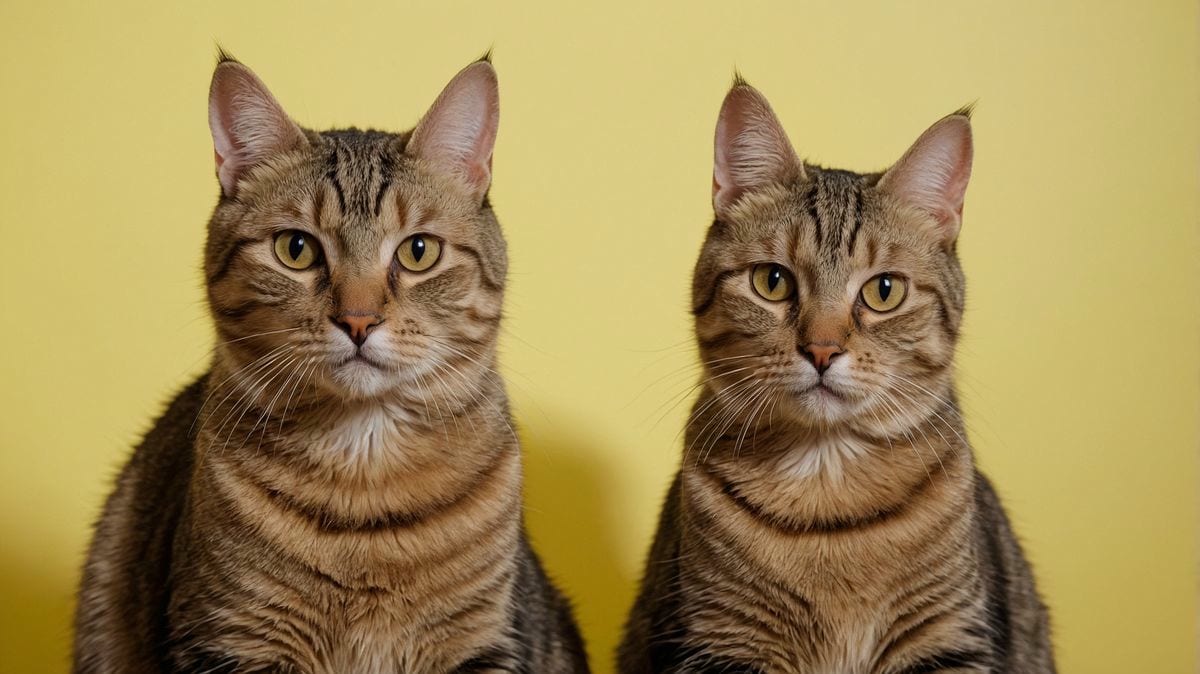
You've decided to welcome a cat into your home and are now faced with the decision of whether a tomcat or a female cat is a better fit for you? We'll try to help you make that decision here.
Is Gender Even Important?
Let's clarify upfront – there are certainly some general differences in the behavior of tomcats and female cats, however, these are usually not very significant, especially since cats of both sexes are typically neutered or spayed before sexual maturity. Much more important for the behavior of cats towards us humans and towards their fellow felines are individual character traits, the cat's breed, and especially their socialization during upbringing!
Typical Tomcat!
An unneutered tomcat can usually only be kept as an outdoor cat, as he will leave foul-smelling urine markings indoors. Outdoors, he will roam widely in search of suitable female cats and will not shy away from fierce fights with rivals. Sometimes such tomcats only return home after days, bearing severe injuries. It is therefore advisable to neuter a young tomcat. The unpleasant marking will cease, and usually stops after neutering, should he have already started. Nevertheless, studies show that inappropriate elimination, i.e., depositing urine or feces outside the litter box, is slightly more common in neutered tomcats than in female cats. The territory a neutered tomcat roams will not necessarily be larger than that of a female cat. They can also get into disputes with neighboring cats – but this also happens among female cats. Neutered tomcats are often very affectionate, sometimes even quite laid-back pampered darlings who love to be spoiled!
Typical Female Cat!
To avoid unwanted offspring or continuous heat cycles, female cats also need to be spayed before sexual maturity. Young female cats usually play less roughly than their male counterparts. Since mother cats are solely responsible for providing food for their offspring, spayed female cats often show greater persistence in hunting, are more successful, and also like to bring their prey home as a 'gift'. Female cats can also roam large territories, and when they get into conflicts with other cats, they are often more unforgiving than tomcats, and real rivalries can develop, leading to repeated clashes. When interacting with humans, female cats are often described as gentler, more empathetic, and less intrusive than tomcats. But here too, exceptions prove the rule!
Which Gender is Better Suited for Multi-Cat Households?
Due to differing play behaviors, it is preferable to keep same-sex young cats. Otherwise, there is a risk that the rougher, and likely larger and heavier, tomcat might overwhelm his sister with his physical play, even frightening her.
While in social cat groups, mothers often live closely with their daughters, studies have shown that neutered tomcats also get along very well with each other, and even lie close together and groom each other more frequently than female cats do among themselves. Here too, however, individual differences are much greater than gender-related ones.
For a happy and as uncomplicated as possible coexistence between humans and cats, gender is not the decisive factor, but rather the animal's background. It is particularly important that the little kitten had as many positive experiences with humans as possible during its upbringing. If you wish to adopt an adult cat, then inform yourself well about the animal's individual character traits before taking it in, and, if necessary, seek good advice from the animal shelter – because only if you and your cat are a good match will you be able to build a harmonious and trusting relationship.
Useful information at a glance
Is the cat's gender really important when choosing a pet?
Gender plays a minor role, as individual character traits, breed, and socialization during upbringing are much more important. Both tomcats and female cats can be loving companions.
What are the behavioral differences between tomcats and female cats?
Unneutered tomcats tend to mark their territory and can get involved in fights. Neutered tomcats are often affectionate and laid-back. Female cats are generally gentler and more empathetic, but can also roam large territories and be irreconcilable towards rivals.
Which gender is better suited for a multi-cat household?
For young cats, it is preferable to keep same-sex animals to avoid conflicts. Neutered tomcats often get along well with each other, while female cats in social groups often live closely with their daughters. However, individual differences are more important than gender.
Should I have my cat or tomcat neutered/spayed?
Yes, it is advisable to have both tomcats and female cats neutered/spayed before sexual maturity to prevent unwanted offspring and behavioral problems such as marking or persistent heat.
How do I find the right cat for me?
Inform yourself well about the individual character traits of the animal and, if necessary, seek advice from an animal shelter. It is important that the cat has had positive experiences with humans during its upbringing to build a harmonious relationship.