EN
EN  DE
DE  FR
FR Chronic Pain in Cats: Recognizing Signs and Improving Quality of Life
-
 By
med. vet. Bianca Michoud-Valente
By
med. vet. Bianca Michoud-Valente - Aug 11, 2025
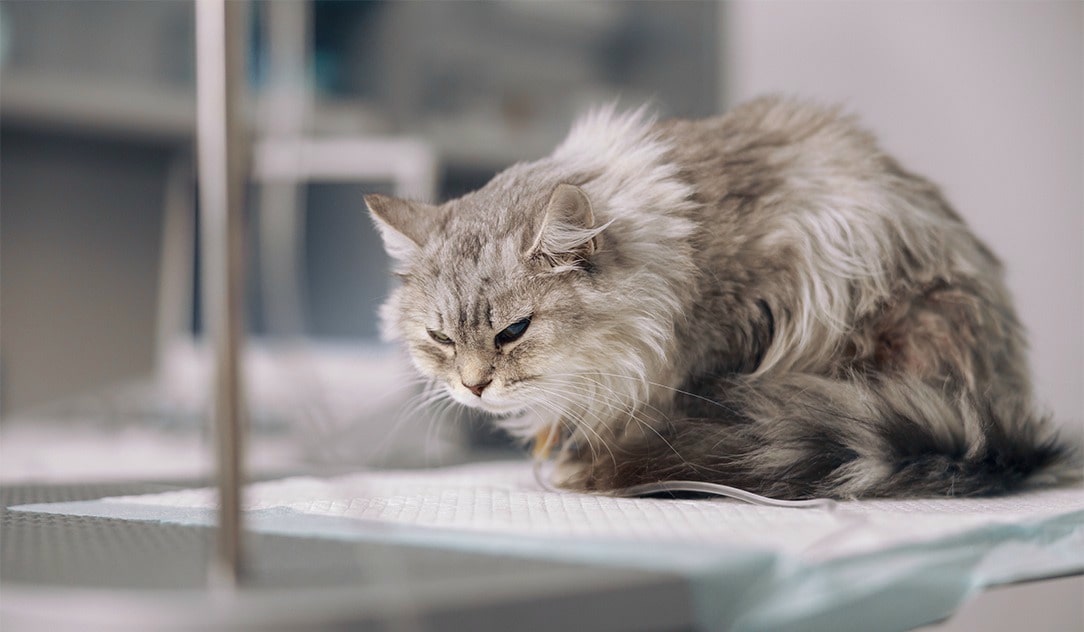
Chronic pain in cats, especially in older cats, is often overlooked. It appears silently and insidiously, yet it can significantly impair the animal's quality of life. Many cats suffer from osteoarthritis or other chronic conditions without their owners noticing.
Since chronic pain in cats is often poorly indicated and barely visible, it deserves special attention. This article aims to help you recognize signs of discomfort or suffering in your cat, so you can consult your veterinarian in time and take appropriate measures. Early recognition and targeted treatment can significantly improve the well-being and daily life of your four-legged friend.
Why is chronic pain in cats rarely noticed?
Unlike dogs, cats rarely show their pain in obvious ways. As a predator, but also as prey in nature, they naturally hide their weaknesses. Thus, a cat in pain will not necessarily limp, meow, or complain. Instead, they will subtly change their behavior. This inconspicuousness makes it difficult for owners to recognize chronic discomfort, especially in older cats, whose behavioral changes are often simply attributed to age.
What signs of discomfort or chronic pain should you look out for?
Recognizing chronic pain often requires careful observation of small changes in daily behavior. The most common symptoms include:
Changes in Mobility
- Avoiding jumps as much as possible (difficulty jumping onto a chair, bed, or windowsill)
- Hesitation when going up or down stairs
- Less spontaneous play or running around
- Limping, stiff gait, general slowness
Grooming and Appearance
- Reduced frequency/quality of coat grooming, dull, greasy, or matted coat
- Neglected areas, especially on the back or hindquarters (the cat no longer bends)
Eating and Drinking Behavior
- Reduced appetite or refusal of food
- Difficulty bending down to drink/eat
- Gradual weight loss
Inappropriate Elimination
- If entering a litter box with a high rim is painful, this can lead to the cat suddenly having accidents outside the litter
Mood Swings and Changes in Social Behavior
- Isolation, seeking unusual hiding places
- Increased aggression or irritability when touched
- Fewer interactions with the surroundings
Vocalizations
- Excessive, plaintive meowing, especially at night
- Groaning when touched or handled
Unusual Pain-Related Behavior
- Excessive licking of certain body parts, leading to hairless spots or minor injuries.
- Sleep disturbances, restlessness occurring at night or during the day
These signs are all the more significant if they appear gradually, without major changes in the environment. The earlier they are recognized, the more effective the treatment and the less harmful the impact on your cat's general condition and well-being.
Why does chronic pain so severely impair quality of life?
Persistent pain in cats leads to withdrawal, loss of appetite, sleep disturbances, and sometimes severe behavioral disorders. Their emotional state becomes unstable: anxiety, restlessness, depressive moods, irritability, and loss of social bonds are common. This silent suffering ultimately leads to a reduction in vitality, quality of life, and life expectancy for older cats if it is not noticed and treated.
What should I do if I observe these signs in my cat?
If you suspect your cat is suffering from chronic pain, especially if you notice the changes in habits described above, it is important to consult a veterinarian. Only a professional can determine the cause (osteoarthritis, joint diseases, Dental problems, visceral pain, etc.), assess the intensity of the pain using appropriate scales, and initiate an individualized treatment:
- pain treatments tailored to the older cat's health condition
- environmental adjustments to make it more accessible
- measures for more comfort (cushions, ramps, low litter boxes)
- nutritional advice and, if necessary, food supplements
- behavioral observation and management of anxiety
Conclusion
Chronic pain in older cats should no longer be considered an unavoidable consequence of the aging process. Thanks to attentive observation by the owner and appropriate treatment by the veterinarian, it is entirely possible to alleviate this silent suffering. By recognizing early signs and intervening promptly, you offer your cat not only comfort but also a more pleasant, dignified, and happier old age.
Source : The CSOM assessment grids from the company CAPdouleur®, specializing in animal pain management.

Set ipet.ch as a preferred source on Google
Never miss a tip: Set ipet.ch as a preferred source in your Google account so that our veterinary advice and pet care guides appear higher up in your search results. Optional and can be undone at any time.
Set as preferred source →Useful information at a glance
Why is chronic pain in cats often overlooked?
Cats instinctively hide pain to avoid being perceived as weak in nature. Instead of limping or meowing, they usually show subtle behavioral changes that are easily mistaken for 'normal aging'.
What signs indicate chronic pain?
Typical signs include restricted mobility (e.g., no longer jumping up), altered coat care, reduced appetite, inappropriate elimination, withdrawal, aggression, increased meowing, or excessive licking of certain body parts.
Which diseases frequently cause chronic pain in cats?
Common causes include osteoarthritis, joint diseases, dental problems, internal diseases (e.g., organ problems), or chronic inflammation.
Why do chronic pains so severely impair quality of life?
Persistent pain leads to withdrawal, loss of appetite, sleep disturbances, anxiety, and behavioral changes. Without treatment, vitality, quality of life, and often life expectancy decrease.
What should I do if I suspect chronic pain?
Have your cat examined by a veterinarian. They can determine the cause, assess the pain level, and initiate targeted therapy – e.g., pain medication, environmental adjustments, or dietary changes.
Can chronic pain in cats be prevented?
The risk can be reduced by having the cat regularly examined by a veterinarian, maintaining a healthy weight, promoting age-appropriate exercise, and reacting quickly to the first signs of discomfort.