
 EN
EN  DE
DE  FR
FR How much exercise does a dog need?
-
 By
Dr. med. vet. Sabina Büttner
By
Dr. med. vet. Sabina Büttner - Jun 15, 2019
It's clear to everyone that dogs need exercise. But how long should a walk last at a minimum, and when does it become too much for your dog? Find out more here.
Why do dogs need exercise at all?
The daily walk with your dog serves several purposes. Firstly, it naturally satisfies their need for physical activity, and secondly, it should also provide them with variety and mental stimulation. Both contribute to a dog leading a fulfilled and well-exercised life.
How much activity does a dog need?
The needs for physical exercise and mental stimulation vary greatly from dog to dog. Depending on breed, age, health status, habits, and training, the requirements are extremely diverse. Furthermore, not every form of movement and activity is equally stimulating for your dog. Therefore, there is no blanket rule that can be applied to determine the daily duration of walks.
Physical Activity
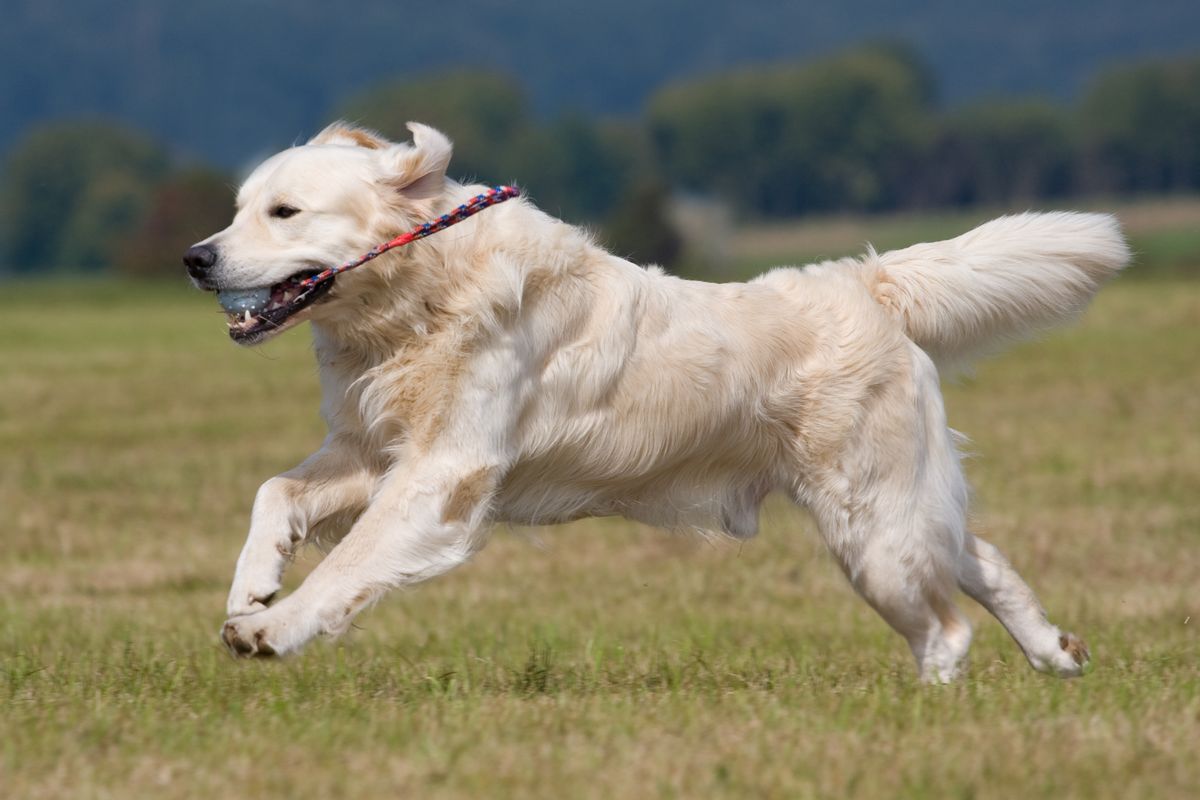
For most dogs, it's sufficient to have one longer walk daily, during which they can sniff extensively off-leash if possible, and if they get along with other dogs, also have some social contact with their peers. In addition, there are a few shorter 'potty breaks' or 'garden stays' where they can relieve themselves and simultaneously check if everything is in order in their 'territory'. The length of the walk is of secondary importance here. It should certainly last at least 1 hour, but can also extend to several hours, provided that sufficient rest periods are ensured.
Free running in a familiar environment hardly strains healthy, adult dogs. Sporty dogs (and dog owners) can also be exercised with a jogging or cycling session in addition to their walk. The duration must be adapted to the dog's training level, and the pace should be immediately reduced at the first signs of exhaustion.
Dogs with joint problems should also be adequately exercised. This trains the muscles, which play an important supportive role. However, several shorter walks distributed throughout the day are better than one long walk.
Mental Stimulation
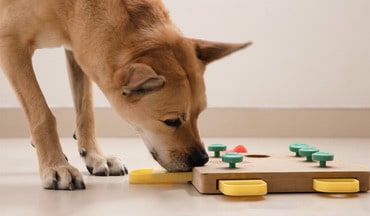
Even during a walk, the many interesting scents offer plenty of mental 'food' for your dog. Short sequences of nose work (search games) or small tricks (e.g., jumping on tree stumps) can be easily integrated into the walk. However, continuous engagement of the dog during the walk should definitely be avoided. They need plenty of time to sniff around!
The range of additional activity programs for our dogs today is huge. Mantrailing, Agility, Obedience, Longeing, Trickdogging, Dummy work, or more classic training for working or hunting dogs are just a few examples of the activities we can undertake with our dogs today. The choice should be made to match the dog's natural predispositions and also be enjoyable for the owner. 1-2 longer training sessions per week are entirely sufficient. If practiced daily, this should be done in short sequences, lasting no longer than 10-20 minutes in total.
How do I know if my dog is sufficiently exercised?
A sufficiently exercised dog is cheerful and alert on walks, participates joyfully in short training sequences, and behaves calmly at home, sleeping a lot (17-18 hours per day).
Dogs that are not sufficiently stimulated often find their own activities. This can manifest as frequent and extensive barking, destroying objects, or starting to lick or chew themselves.
Dogs that are over-stimulated for extended periods are often hyperactive and can hardly settle down on their own. Owners often misinterpret this behavior and try to 'tire out' the dog with even more activities, which only exacerbates the problem.
If you are unsure whether your dog is getting the right amount of physical exercise and mental stimulation, consult an experienced dog trainer or a veterinarian trained in behavioral medicine (Addresses of certified veterinary behaviorists in Switzerland).

Set ipet.ch as a preferred source on Google
Never miss a tip: Set ipet.ch as a preferred source in your Google account so that our veterinary advice and pet care guides appear higher up in your search results. Optional and can be undone at any time.
Set as preferred source →Useful information at a glance
Why does a dog need to be exercised at all?
The daily walk with your dog fulfills several purposes. On the one hand, it satisfies the need for physical activity, and on the other hand, it provides the dog with variety and mental stimulation. Both contribute to a dog leading a fulfilled and well-exercised life.
How much activity does a dog need?
The needs for exercise and mental engagement vary greatly individually. They depend on breed, age, health status, habits, and training. There is no general rule for the duration of walks, but one longer walk per day, supplemented by shorter rounds, is sufficient for most dogs.
How do I recognize if my dog is sufficiently exercised?
A sufficiently exercised dog is cheerful and alert on walks, happily participates in short training sessions, and behaves calmly at home, sleeping a lot (17-18 hours per day). Dogs that are not engaged enough often seek activity themselves, which can lead to undesirable behavior.
What activities are suitable for my dog's mental stimulation?
During walks, many interesting scents already provide a lot of mental 'nourishment'. Short sessions with nose work or small tricks can be well integrated. Additionally, there are many engagement programs such as Mantrailing, Agility, or Obedience, which should match the dog's natural predispositions.
What can I do if I am unsure whether my dog is getting the right amount of exercise?
If you are unsure whether your dog is receiving the right amount of exercise and mental stimulation, you can consult an experienced dog trainer or a veterinarian trained in behavioral medicine. Addresses of certified behavioral veterinarians in Switzerland can be found on ipet.ch.