EN
EN  DE
DE  FR
FR My Dog is Becoming Senile: How Can I Help Him?
-
 By
med. vet. Bianca Michoud-Valente
By
med. vet. Bianca Michoud-Valente - Dec 5, 2024
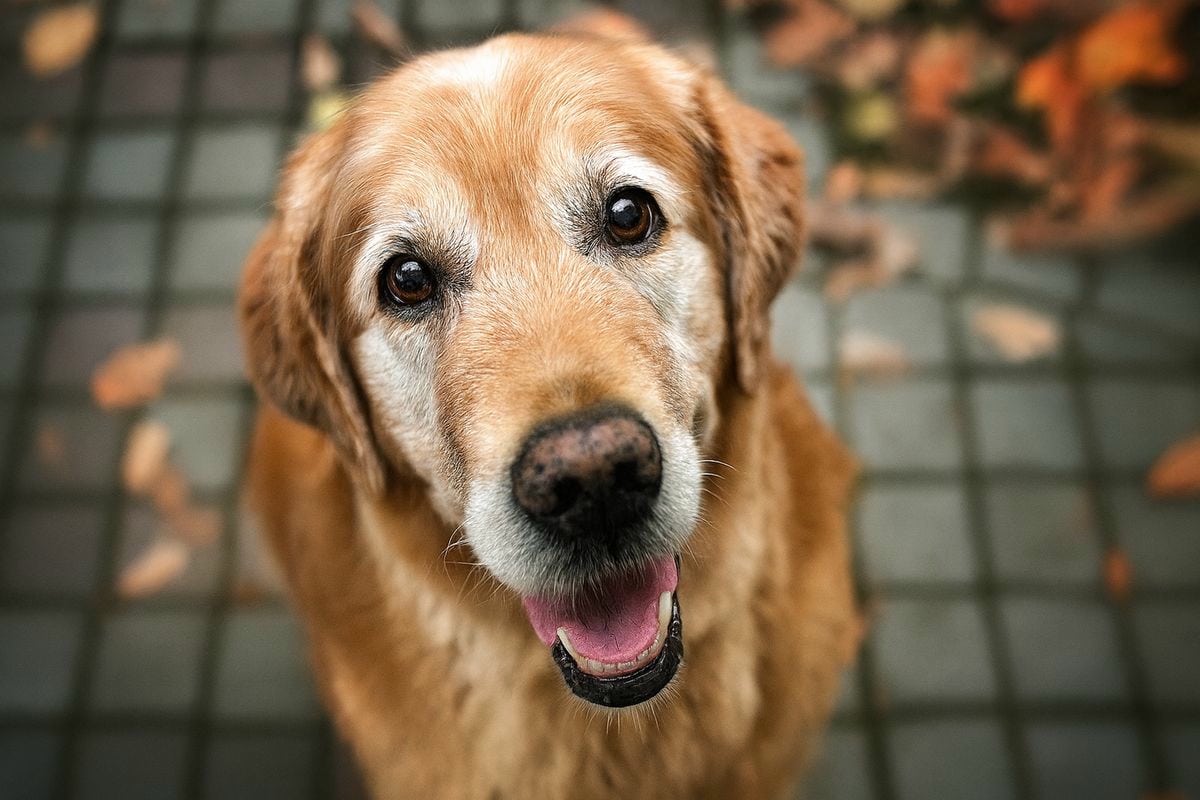
As they age, our dogs may show signs of confusion and disorientation or appear less interactive than before. These behaviors can be age-related and indicate a form of dementia, known as Cognitive Dysfunction Syndrome (CDS). Although dementia is irreversible, there are ways to slow its progression and improve your dog's quality of life. Learn how to recognize the signs of canine dementia, what causes it, and how you can support your furry friend in everyday life.
What is Senility in Dogs?
Senility in dogs, also known as Cognitive Dysfunction Syndrome (CDS), is a condition similar to Alzheimer's disease in humans. It is caused by age-related degenerative changes in the brain. These changes affect the dog's memory, learning, perception, and behavior.
The condition primarily occurs in older dogs but can occasionally be observed in younger animals. It is estimated that approx. 14% of dogs over 8 years of age show signs of CDS, with this percentage increasing with age.
What are the Signs of Dementia in Dogs?
The signs of senility can vary in severity, but the following are the most common:
- Disorientation: The dog appears lost in familiar places, gets stuck in corners, or stares at walls.
- Reduced social interaction: The dog is less sociable, seems distant, or no longer reacts as before. He may also be more irritable.
- Disturbed sleep: He is awake and restless at night, paces in circles, or vocalizes without apparent reason. His sleep-wake cycle shifts: he sleeps more during the day and less at night.
- Impaired hygiene and house-training: Urine or fecal accidents are more frequent, even in a previously house-trained dog.
- Changed activity: He becomes either hyperactive and restless or apathetic and loses interest in activities he used to enjoy (walks, games, etc.).
- Increased anxiety: He appears more stressed or overreacts to stimuli.
These signs can appear gradually, so it is important to observe changes in your dog's behavior closely.
To help you recognize these symptoms in your dog, the Purina Institute offers a practical tool: the DISHAA Assessment Tool. With this document, which is accessible online here, you can easily assess your dog's behaviors and discuss the results with your veterinarian.
What are the Causes of Dementia in Dogs?
Cognitive Dysfunction Syndrome is primarily caused by age-related degenerative changes in the brain:
- Neuronal Degeneration: Neurons deteriorate over time, impairing information transmission.
- Accumulation of Amyloid Plaques: These deposits disrupt the normal function of neurons.
- Oxidative Stress: Damage from free radicals increases with age and accelerates brain aging.
Other factors such as genetic predisposition, lack of cognitive stimulation, or an improper diet can also play a role.
What Should You Do if Your Dog Shows Signs of Senility?
Consult your veterinarian: The first step is to visit a veterinarian. The signs of dementia can be confused with other conditions such as hypothyroidism or osteoarthritis. A thorough examination can rule out these causes and confirm a possible CDS diagnosis.
Food supplements: Some food supplements can slow the progression of dementia or alleviate symptoms. Antioxidants, Omega-3 fatty acids (especially DHA and EPA), phosphatidylserine, and B vitamins are particularly beneficial for protecting against oxidative damage and slowing cognitive decline. Medium-chain triglycerides (MCTs), such as those found in the food supplement Aprylic or CerefitH, have shown positive effects on brain function. In fact, MCTs provide an alternative energy source for the aging brain, thereby improving memory, learning, and mental alertness in dogs with cognitive impairments.
Integrating these food supplements into your dog's diet in consultation with your veterinarian can significantly improve their quality of life and mental well-being.
Adapted diet: Some foods, such as Purina NeuroCare, are specially formulated to support the brain health of older dogs with senility.
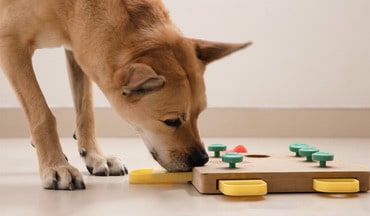
Mental stimulation: Keeping your dog's brain active can slow the progression of dementia. Try interactive toys like puzzles or food dispensers, take varied walks to stimulate their sense of smell, or teach them new, simple commands.
Create a safe and calm environment: Avoid changes in your dog's environment by not rearranging furniture and maintaining their sleeping place. Use night lights to help them find their way at night. If house-training declines, lay out puppy pads or put dog diapers on them. Close off rooms where they could get stuck.
These simple measures, combined with a positive approach and appropriate care, will strengthen the bond with your dog and at the same time help them cope better with this phase of their life.
Can Canine Dementia Be Prevented?
While it cannot be guaranteed that a dog will not develop Cognitive Dysfunction Syndrome, certain precautions can reduce the risk:
- High-quality nutrition from an early age: Nutrients play a key role in brain health.
- Regular physical exercise: Maintaining a healthy body also helps the brain.
- Mental stimulation: Introduce learning toys, scent games, or new experiences to keep your dog's mind active.
- Regular veterinary care: Recognizing the first signs allows for a quick response.
Living with a Dog Suffering from Dementia
Accompanying a dog with dementia requires adaptation and patience, but it is also an opportunity to strengthen the bond between you two. Adopt a positive attitude and adjust your expectations to their abilities.
- Maintain stable routines for their meals, walks, and sleep phases.
- Celebrate every small step forward with encouragement and rewards.
- Be patient and understanding: Avoid getting upset about unusual behaviors, as this could increase their anxiety.
Dementia can be frustrating, but with a caring attitude, you can significantly improve their comfort and quality of life. Do not hesitate to ask your veterinarian for advice on how to better manage this period.
Final Word
Senility in dogs can be unsettling, but with the right care, your dog can continue to experience happy moments by your side. With an adapted diet, appropriate care, and regular stimulation, you can slow the progression of symptoms and offer your furry friend an optimal quality of life. By addressing their needs and working with your veterinarian, you can help them experience their golden years peacefully.

Set ipet.ch as a preferred source on Google
Never miss a tip: Set ipet.ch as a preferred source in your Google account so that our veterinary advice and pet care guides appear higher up in your search results. Optional and can be undone at any time.
Set as preferred source →Useful information at a glance
What is senility in dogs?
Senility in dogs, also known as Cognitive Dysfunction Syndrome (CDS), is a condition similar to Alzheimer's disease in humans. It is caused by age-related degenerative changes in the brain that affect the dog's memory, learning, perception, and behavior. This condition predominantly occurs in older dogs.
What are the signs of dementia in dogs?
The signs of dementia in dogs can include disorientation, reduced social interaction, disturbed sleep, impaired hygiene and house-training, altered activity, and increased anxiety. These signs can appear gradually, so it is important to closely observe changes in your dog's behavior.
What are the causes of dementia in dogs?
Cognitive Dysfunction Syndrome is primarily caused by age-related degenerative changes in the brain, such as neuronal degeneration, accumulation of amyloid plaques, and oxidative stress. Genetic predisposition, lack of cognitive stimulation, or improper nutrition can also play a role.
What should you do if your dog shows signs of senility?
Consult your veterinarian to rule out other conditions and confirm a possible CDS diagnosis. Food supplements and an adapted diet can slow the progression of dementia. Keep your dog's brain active and create a safe and calm environment.
Can canine dementia be prevented?
While it cannot be guaranteed that a dog will not develop Cognitive Dysfunction Syndrome, certain precautions can reduce the risk. These include high-quality nutrition from a young age, regular physical activity, mental stimulation, and regular veterinary care.