
 EN
EN  DE
DE  FR
FR Grains, Gluten, and Carbohydrates in Dog and Cat Food – Some Facts
-
 By
Dr. med. vet. Sabina Büttner
By
Dr. med. vet. Sabina Büttner - Nov 14, 2020
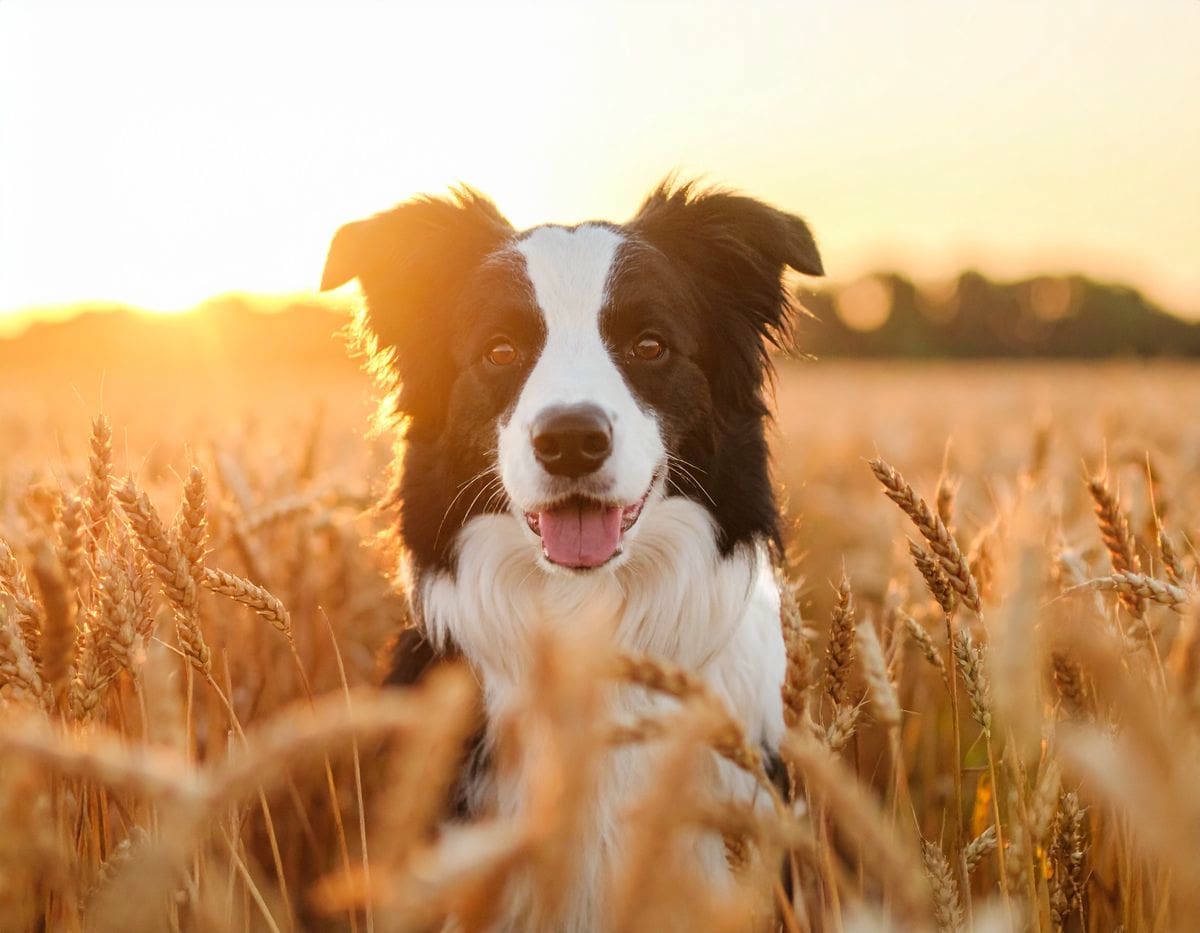
Dog and cat owners want to feed their animals as naturally and healthily as possible. Many therefore opt for gluten-free or grain-free food. What is the difference and what are the Benefits of this food compared to conventional pet food?
Why do dog and cat foods contain grain?
Grains such as wheat, rice, or corn primarily contain energy-providing Carbohydrates (NfE) in the form of starch. It is therefore an important energy source in dog and cat food. In addition, grains contain many valuable nutrients and ingredients for dogs and cats: highly digestible proteins, high-quality fats, minerals and vitamins, as well as complex Carbohydrates (NfE) in the form of Soluble fibres and Insoluble fibres.
Does grain-free mean that the food contains no Carbohydrates (NfE)?
Carbohydrates (NfE) in the form of starch are not only important energy sources, but are also necessary as a 'binder' in the production of dry food. A minimum of 20% is necessary for the food ingredients to be formed into kibbles. Grain-free dry foods therefore contain other starchy ingredients such as potatoes, sweet potatoes, peas, or pumpkin. This means that even grain-free dog and cat dry foods contain Carbohydrates (NfE).
What is the difference between grain-free and gluten-free food?
Gluten is a mixture of proteins, so-called storage proteins, which occur in the seed kernel of certain grains. For example, wheat, barley, rye, oats, or spelt contain gluten. Rice, corn, buckwheat, or amaranth, however, are gluten-free grains. A grain-free food is therefore always gluten-free; a food that contains rice or corn is not grain-free, but it is gluten-free.
Is grain in dog and cat food unhealthy?
Grain is not unhealthy; instead, it provides energy, proteins, essential fatty acids, vitamins, and minerals. In addition, grains contain complex, indigestible Carbohydrates (NfE), which as Dietary fibres support a healthy gut flora and stimulate intestinal peristalsis.
Just like with other proteins commonly found in food, an allergy to grain proteins is also possible in dogs and cats. Most dogs and cats suffering from a Food allergy react allergically to an animal protein source. Allergies to beef, chicken, or fish are particularly common. Only approx. 20% of allergic dogs and 10% of allergic cats react to plant proteins from wheat, soy, corn, or rice. Animals suffering from a Food allergy must receive a food for life that is free from the ingredients that trigger an allergy in them.
In humans, there are various forms of gluten intolerances. These are not allergies, but autoimmune diseases whose disease mechanisms are not yet fully understood. In dogs and cats, such gluten intolerances are very rare and have so far only been clearly described in one Irish Setter family and in Boston Terriers.
If you feel that your dog or cat is suffering from a Food allergy or intolerance, you should discuss the diagnosis and treatment options with your veterinarian. If there is a suspicion of an allergy or intolerance to grain, a grain-free food should be given.
How many Carbohydrates (NfE) can dogs and cats tolerate?
As mentioned, dry foods always contain a certain Amount in g/day of Carbohydrates (NfE), especially starch, which comes either from grain or other starchy components. To digest starch, the pancreas must secrete the enzyme amylase, which breaks down the starch into small sugar molecules that can then be absorbed by the intestinal cells and passed into the blood.
Both dogs and cats possess these enzymes and are therefore able to digest starch and use it as an energy source. However, a prerequisite for good digestibility is that the starch has been broken down by cooking. Furthermore, it has been shown in dogs that feeding a starch-rich diet can increase amylase production, so most dogs tolerate even very Carbohydrates (NfE)-rich foods well.
The maximum Amount in g/day of Carbohydrates (NfE) that a food can contain varies individually from animal to animal. If a food contains too much starch, the enzymes in the small intestine can no longer digest the entire Amount in g/day, so undigested Carbohydrates (NfE) enter the large intestine, where they attract water and lead to diarrhea.
For many dogs, the food can contain up to 60% starch without them reacting with diarrhea. Certain dogs, especially Nordic or Australian breeds, however, have a much lower tolerance and react with diarrhea even to smaller Amounts in g/day of Carbohydrates (NfE) in their food.
Cats also do not tolerate high Amounts in g/day of Carbohydrates (NfE) in their food. Their natural diet of small mammals is rich in protein and fat and contains only few Carbohydrates (NfE). If the food contains too much or poorly digested starch, they also react with diarrhea.
In case of poor tolerance to Carbohydrates (NfE), a low-Carbohydrates (NfE) food should be given.
Do dogs and cats need Carbohydrates (NfE)?
Neither Carbohydrates (NfE) from grain nor from other starchy plants are essential dietary components for dogs and cats. Both animal species can therefore be fed a balanced diet even with a food that contains very few Carbohydrates (NfE). Especially for dogs that need to perform a lot, as well as during pregnancy and lactation, however, an adequate supply of energy without starchy components in the food is difficult.
Dogs and cats prone to obesity can also benefit from Carbohydrates (NfE) in their food, as they improve satiety in the form of Dietary fibres.
Conclusion:
- Grain-free does not mean that the food is Carbohydrates (NfE)-free or low in Carbohydrates (NfE).
- Grain-free foods are always also gluten-free.
- Gluten-free foods are not always grain-free.
- Grain is not unhealthy for dogs and cats, but primarily a good energy source.
- Grain proteins, like all proteins found in food, can trigger allergies.
- Too many Carbohydrates (NfE) in the food can cause diarrhea.
- Neither dogs nor cats need Carbohydrates (NfE) in their food. However, for animals with increased energy requirements, starch in the food is a good energy source. For dogs and cats prone to obesity, Dietary fibres improve satiety.

Set ipet.ch as a preferred source on Google
Never miss a tip: Set ipet.ch as a preferred source in your Google account so that our veterinary advice and pet care guides appear higher up in your search results. Optional and can be undone at any time.
Set as preferred source →Useful information at a glance
What is the difference between grain-free and gluten-free food?
Grain-free food contains no grains such as wheat, rice, or corn, while gluten-free food contains no gluten-containing grains such as wheat, barley, or rye. Grain-free food is always also gluten-free, but gluten-free food can still contain grains like rice or corn.
Is grain in dog and cat food unhealthy?
Grain is not unhealthy for dogs and cats. It provides important nutrients such as energy, proteins, essential fatty acids, vitamins, and minerals. Additionally, the Dietary fibres contained in grain support a healthy gut flora. Allergies to grain proteins are possible but rare.
Does grain-free mean the food contains no carbohydrates?
No, grain-free food still contains carbohydrates. These come from other starchy ingredients such as potatoes, sweet potatoes, peas, or pumpkin. Carbohydrates are important for energy supply and the production of dry food.
How many carbohydrates can dogs and cats tolerate?
The tolerance for carbohydrates varies individually. Many dogs can tolerate up to 60% starch in their food, while cats generally require fewer carbohydrates. However, an excessively high amount of carbohydrates can lead to diarrhea.
Do dogs and cats need carbohydrates?
Carbohydrates are not essential dietary components for dogs and cats, but they can be a valuable energy source, especially for dogs with high energy requirements. Dietary fibres from carbohydrates can also improve satiety and be beneficial for animals prone to overweight.