
 EN
EN  DE
DE  FR
FR How to Remove a Tick
-
 By
Dr. med. vet. Sabina Büttner
By
Dr. med. vet. Sabina Büttner - Apr 14, 2020
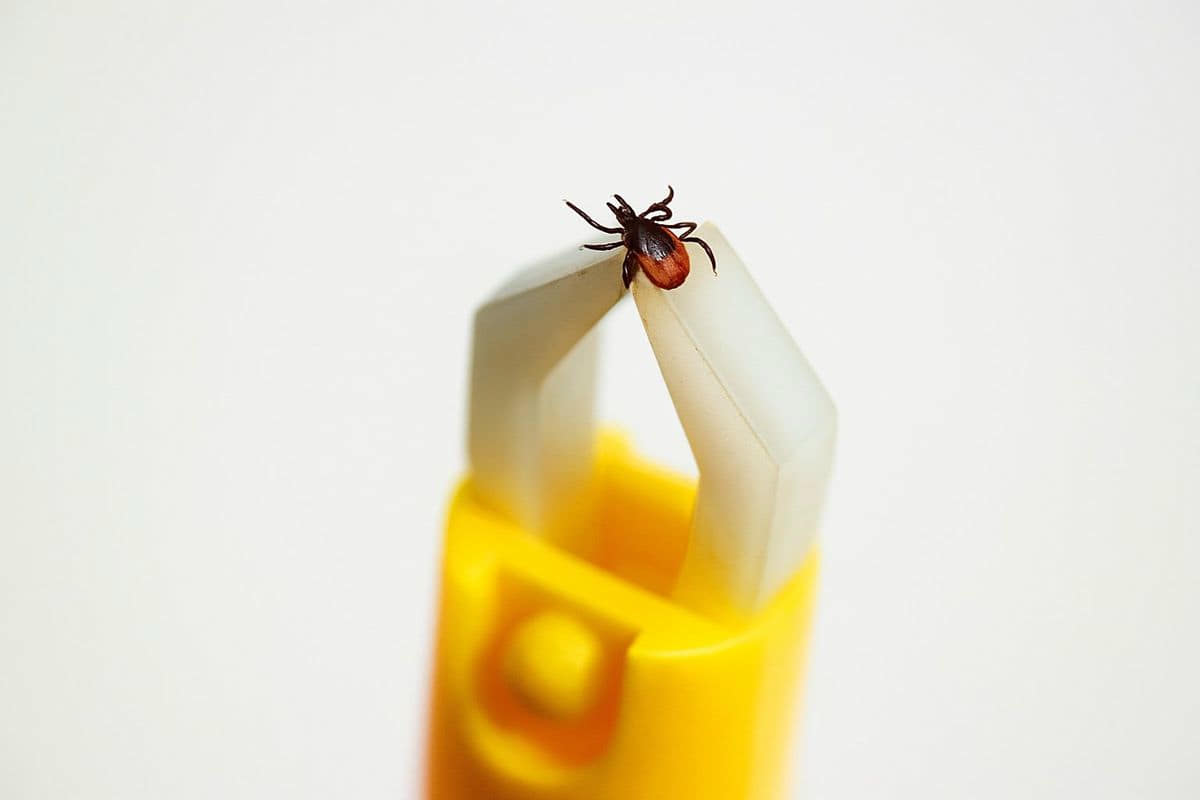
In late spring, unfortunately, tick activity increases with rising temperatures. Many dog and cat owners want to protect their pets from ticks with natural products. However, these remedies are never 100% effective, so it is important that any existing ticks are removed professionally and immediately.
Ticks can transmit a variety of pathogens. While it takes many hours to days for such a transmission to occur, a tick should be removed as quickly as possible once discovered. This is because, as a rule, you don't know when the pet was infested by the tick.
Proceed as follows:
- During tick season from March to October, check your dog or cat for ticks at least once a day. Ticks prefer to infest less hairy areas with thin skin around the eyes, on the lips, ears, in the armpits, and on the inner thighs. However, they can also be found anywhere else on the body. Therefore, carefully check the entire pet.
- If you find a tick, grasp it with special tick tweezers or a tick hook as close to the skin as possible and gently pull it out with increasing tension.
- Then dab the affected skin area with a skin disinfectant.
- Since ticks can literally cement themselves into the skin, it is quite common for the foremost part of the tick to remain in the pet. This is not a big problem, as the head usually falls out on its own after a few days. Disinfect the area and observe it over the next few days. Only if severe redness and swelling develop must a veterinarian be consulted.
- What you should not do: Do not douse the tick with oil or nail polish remover, do not squeeze the tick's body, and do not try to remove the tick by twisting it back and forth or with a strong jerk. All these manipulations increase the risk of pathogens being transmitted.
- Removed ticks must be killed so that they cannot go in search of a new host. The best way to do this is to place the tick on a paper towel, fold it, and crush the tick through the paper with your fingernail until it cracks.
Prevention is the best protection against ticks. The most effective tick control products are prescription-only remedies available only from the veterinarian. If over-the-counter insect repellents based on natural ingredients are used, a combination of several products is often necessary to achieve sufficient protection. For example, an externally applied tick-repellent product can be combined with an anti-tick food supplement. Which products work best for your pet depends on your pet's individual attractiveness to ticks and the frequency of ticks in the area where your pet moves.
The joy of milder temperatures does not have to be clouded by ticks. Through targeted preventive measures, infestation and thus the risk of disease transmission can be significantly reduced.
Here you will find further information on ticks in dogs and cats:
http://www.esccap.ch/index.php/parasiten/zecken/
In this video, our veterinarian shows you what to look out for when removing a tick.
In the video, the tick is an 'actress' that has not actually latched onto the dog.
Useful information at a glance
How do I properly remove a tick from my pet?
Grasp the tick with a special tick forceps or a tick hook as close to the skin as possible and gently pull it out with increasing traction. Afterwards, dab the affected skin area with a skin disinfectant.
What should I do if the tick's head remains stuck?
If the front part of the tick remains in the animal, it is usually not a major problem. The head typically falls out on its own after a few days. Disinfect the area and observe it. Only consult a veterinarian if severe redness and swelling develop.
Which tick removal methods should I avoid?
Avoid dabbing the tick with oil or nail polish remover, squeezing the tick's body, or removing the tick by twisting it back and forth or with a forceful jerk. These manipulations increase the risk of disease transmission.
How can I best protect my pet from ticks?
Prevention is the best protection. Prescription tick repellents from the veterinarian are the most effective. For over-the-counter, natural remedies, a combination is often necessary to achieve adequate protection. The choice of remedies depends on your pet's individual attractiveness to ticks and the frequency of ticks in your area.
How do I safely kill a removed tick?
Place the tick on a paper towel, fold the paper, and crush the tick with your fingernail through the paper until it cracks. This prevents the tick from seeking a new host.