

 EN
EN  DE
DE  FR
FR Giardia – Feared Diarrhea Pathogens in Dogs and Cats!
-
 By
Dr. med. vet. Sabina Büttner
By
Dr. med. vet. Sabina Büttner - Sep 5, 2021
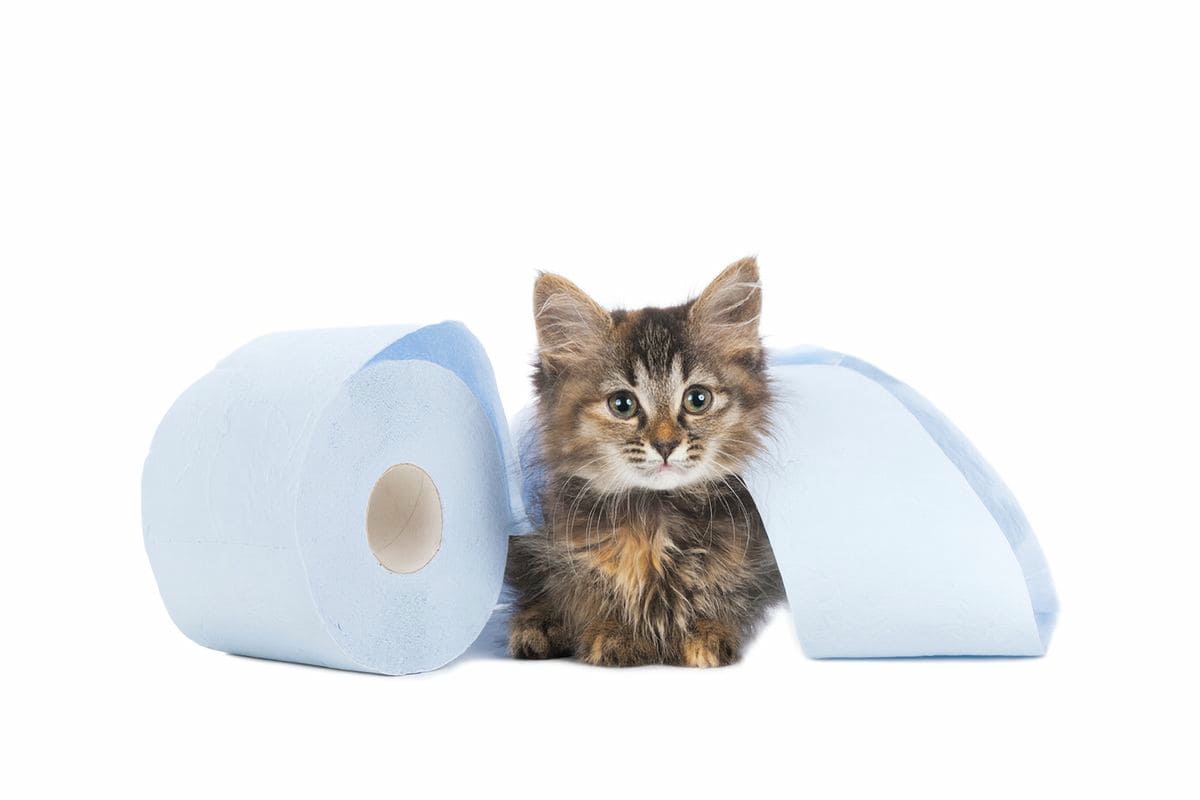
Giardia can cause persistent diarrhea, but there's no need to panic if your pet is affected. We have compiled some important points for you.
What is Giardia?
Giardia are small single-celled intestinal parasites that can affect humans as well as many animal species. They are among the most common causes of diarrhea worldwide, especially in puppies and kittens. These single-celled organisms multiply in the intestine and are excreted in the feces in the form of cysts. In the environment, these cysts are very resistant and can remain infectious for up to 3 months.
How common is Giardia in dogs and cats?
With today's very sensitive diagnostic methods, Giardia is regularly found in dogs and cats. The prevalence varies depending on age and living conditions. On average, Giardia is found in the feces of approx. 15% of healthy dogs and approx. 10% of healthy cats. In animal shelters, in young animals, or in animals suffering from diarrhea, these parasites are found much more frequently.
What symptoms occur with a Giardia infection?
Healthy, adult dogs and cats usually show no symptoms at all with a Giardia infection. Puppies, young cats, and animals with a weakened immune system are most commonly affected. In cases of visible giardiasis, several symptoms can occur:
- recurrent severe diarrhea, sometimes with mucous and bloody admixtures
- loss of appetite
- weakness
- weight loss
If these signs appear, it is advisable to consult a veterinarian. They can determine if the animal is ill due to the parasitic single-celled organisms and recommend appropriate treatment.
How is a Giardia infection in dogs and cats treated?
Generally, only animals showing diarrhea symptoms should be treated for Giardia. Asymptomatic animals should only receive medication if they live in the same household as infected animals.
The treatment for Giardia is carried out with an antiparasitic medication prescribed by the veterinarian. The medication should be administered for several days, and sometimes the treatment needs to be repeated after a few days.
Although the medications are very effective, it is not uncommon for animals to become re-infected multiple times. Therefore, in addition to therapy, some important hygiene rules must be observed to reduce the risk of re-infection:
- Bathe affected dogs and cats at the beginning and end of treatment
- Wash the perianal area and clean it of fecal residue
- Always immediately collect and dispose of dog feces
- Clean the litter box daily with hot water (> 65 °C), then dry thoroughly
- Wash food and water bowls regularly and thoroughly with hot water
- Thoroughly clean floors contaminated with feces with hot water or disinfectant (suitable products are available from the veterinarian)
- Wash resting places at over 60 degrees or treat with disinfectant
- Thoroughly vacuum and clean cat scratchers
- In households with multiple animals, also treat asymptomatic animals for Giardia
Additionally, it is advisable for animals to receive a highly digestible gastrointestinal diet during treatment.
Is there a risk of Giardia infection for humans?
Since dogs and cats are usually infected with different types of Giardia than humans, the risk of infection is low. Nevertheless, transmission cannot be entirely ruled out, especially in immunocompromised individuals. Therefore, if people living with a Giardia-infected animal experience gastrointestinal problems, a doctor should be consulted.
Sources:
ESCCAP: Giardia Duodenalis - Revised part of the ESCCAP recommendation for Switzerland, No. 6: «Control of intestinal protozoa in dogs and cats»

Set ipet.ch as a preferred source on Google
Never miss a tip: Set ipet.ch as a preferred source in your Google account so that our veterinary advice and pet care guides appear higher up in your search results. Optional and can be undone at any time.
Set as preferred source →Useful information at a glance
What are Giardia and how do they spread?
Giardia are small single-celled intestinal parasites that can affect both humans and many animal species. They multiply in the intestine and are excreted in the feces in the form of cysts. These cysts are very resistant in the environment and can remain infectious for up to 3 months.
How common are Giardia in dogs and cats?
With today's highly sensitive examination methods, Giardia are regularly found in dogs and cats. On average, Giardia are found in the feces of approx. 15% of healthy dogs and approx. 10% of healthy cats. These parasites are much more common in animal shelters, young animals, or animals with diarrhea.
What symptoms can occur with a Giardia infection?
Healthy, adult dogs and cats usually show no symptoms. However, in puppies, young cats, and animals with a weakened immune system, symptoms such as recurrent severe diarrhea, loss of appetite, weakness, and weight loss may occur. In such cases, a veterinarian should be consulted.
How is a Giardia infection treated in dogs and cats?
Animals showing diarrhea symptoms should be treated with an antiparasitic prescribed by the veterinarian. The treatment lasts several days and sometimes needs to be repeated. Additionally, hygiene measures should be observed to prevent re-infection, such as cleaning food bowls and resting places with hot water.
Is there a risk of Giardia infection for humans?
The risk of human infection from dogs and cats is low, as they are usually infected with different types of Giardia. Nevertheless, transmission to immunocompromised individuals cannot be entirely ruled out. In case of gastrointestinal problems, a doctor should be consulted.