

 EN
EN  DE
DE  FR
FR Lilies – Deadly Danger for Cats!
-
 By
Dr. med. vet. Sabina Büttner
By
Dr. med. vet. Sabina Büttner - Apr 16, 2019
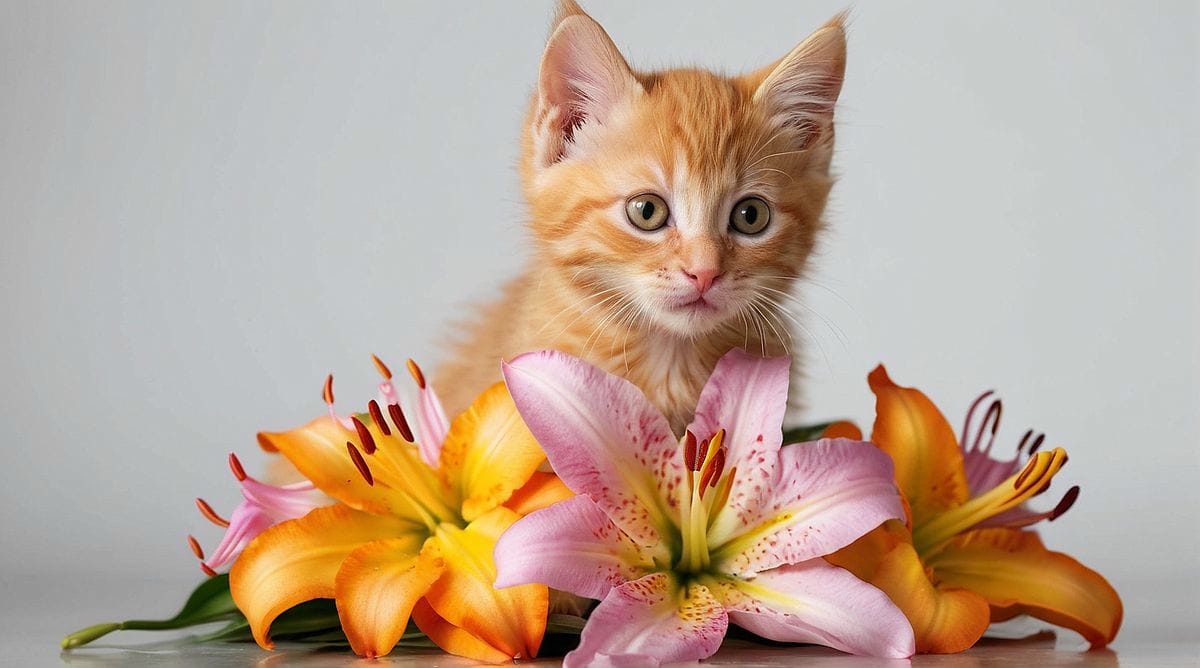
Lilies are beautifully blooming ornamental plants often used in flower arrangements. However, such bouquets do not belong in a cat household! Read on to find out why.
How Toxic Are Lilies?
Lilies are extremely toxic to cats. This means that if left untreated, cats will die a few days after ingesting lilies. For dogs, however, lilies are only mildly toxic and at most cause vomiting or diarrhea.
Which Lily Species Are Dangerous?
All lily plants (Liliaceae) are toxic. However, lilies (Lilium sp.) and daylilies (Hemerocallis sp.) are especially deadly toxic to cats. Ingesting even a single leaf or parts of a flower from these plants is enough to cause severe poisoning.
What Symptoms Occur in Lily Poisoning?
Shortly after ingestion, cats show vomiting and increased salivation. They are apathetic and refuse to eat. These symptoms disappear after 2 – 6 hours, and the cats seem to feel better.
1-2 days after ingestion, progressive kidney damage becomes noticeable. This first manifests as increased urination of large quantities, followed by a complete cessation of urine production and renewed vomiting. If left untreated, cats will die within 3 – 7 days.
How Is Lily Poisoning Treated?
Any cat suspected of contact with lilies must be taken to the vet immediately!
So, if you observe your cat nibbling on a lily leaf, playing with a flower, or drinking from a vase containing lilies, you should under no circumstances wait, but contact the vet immediately.
Here, the cat can be made to vomit, and adsorbent substances can be administered to prevent larger amounts of the toxin from being absorbed. The cat should receive fluid infusions as early as possible to support the kidneys and minimize damage.
The earlier therapy is started, the greater the chance that the cat will survive and make a full recovery. If kidney damage is already present, the prognosis is more cautious.
Are Lilies in the Garden Dangerous for Cats?
The vast majority of poisoning cases in cats are caused indoors by lilies in bouquets or as potted plants. Outdoor cats can, of course, also come into contact with lilies in the garden. However, these plants seem to be less attractive there, and poisonings rarely occur.
How Can I Protect My Cat from Lily Poisoning?
As a cat owner, you should not have lilies in your home, neither in a bouquet nor as a potted plant! Even if you place the plants out of reach of your cats, they may still come into contact with fallen flowers or leaves. To be safe, lilies should also not be planted in the gardens of cat owners.
Source: https://www.vetpharm.uzh.ch/clinitox/

Set ipet.ch as a preferred source on Google
Never miss a tip: Set ipet.ch as a preferred source in your Google account so that our veterinary advice and pet care guides appear higher up in your search results. Optional and can be undone at any time.
Set as preferred source →Useful information at a glance
How poisonous are lilies for cats?
Lilies are extremely poisonous for cats. Untreated, cats can die a few days after ingesting lilies. For dogs, however, lilies are only mildly poisonous and at most lead to vomiting or diarrhea.
Which lily species are particularly dangerous for cats?
All lily plants (Liliaceae) are poisonous. However, lilies (Lilium sp.) and daylilies (Hemerocallis sp.) are particularly dangerous for cats. Ingesting even a single leaf or parts of a flower can lead to severe poisoning.
What symptoms occur with lily poisoning?
Shortly after ingestion, cats show vomiting and increased salivation. They are apathetic and refuse to eat. These symptoms disappear after 2 to 6 hours, but 1 to 2 days later, progressive kidney damage occurs, which can lead to death if untreated.
How is lily poisoning treated?
Any cat that has come into contact with lilies must be immediately taken to the veterinarian. There, the cat can be induced to vomit, and adsorbing substances can be administered. Fluid infusions are important to minimize kidney damage. The earlier treatment begins, the greater the chances of survival.
How can I protect my cat from lily poisoning?
As a cat owner, you should not have lilies in your home, neither in a flower bouquet nor as a potted plant. Lilies should also not be planted in the garden to minimize the risk of poisoning.