

 EN
EN  DE
DE  FR
FR Hypoallergenic dog food
If your dog suffers from a food intolerance or if there is a suspicion of one, a special diet is crucial. Hypoallergenic food relies on carefully selected or broken down (hydrolysed) proteins to keep the allergenic potential as low as possible. We have been specialising in diet food since 2009 and offer a large selection of hypoallergenic dry and wet food as well as matching treats. Take advantage of our free veterinary nutritional advice to make the best choice for your dog.
Filters
-
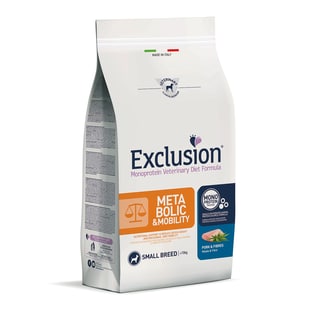 CHF 31.60Exclusion Diet
Dry food for small breed dogs with a tendency to be overweight
-
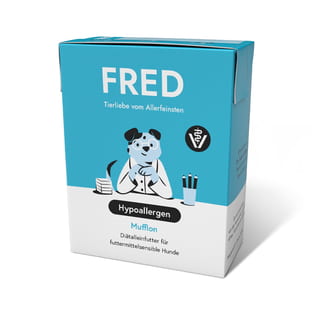 CHF 41.40Fred & Felia
Single-protein complete dog food featuring mouflon as a rare protein source
-
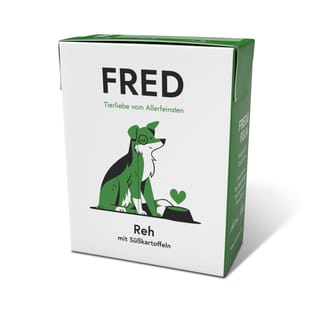 CHF 36.00Fred & Felia
Premium venison with sweet potatoes, grain-free, for dogs with sensitive stomachs
-
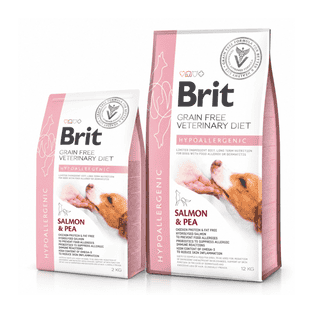
- New
from CHF 50.90
Brit Vet DietDietary complete dry food for dogs with food intolerances
-
- New
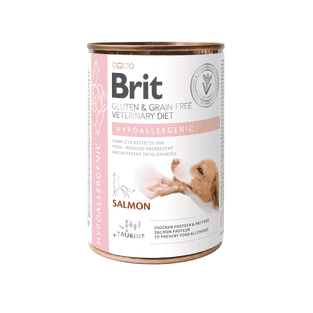
CHF 57.30Brit Vet DietDietary complete food for dogs with food intolerances
-

- - 10 %
Special Price CHF 26.90 Regular Price CHF 29.90PREMILSuper-premium dry food for sensitive and allergy-prone dogs


When does a dog need hypoallergenic dog food and what are signs of a food intolerance?
Constant itching, intensive licking of the paws, recurring ear infections or digestive problems such as flatulence and diarrhoea are typical symptoms. Skin and coat problems such as dandruff or hair loss can also indicate this. However, these signs are not always clear and can also have other causes. Based on veterinary experience, the most common triggers are proteins such as beef or chicken, and less commonly grains. In contrast to seasonal environmental allergies (atopy), the symptoms of a food intolerance usually occur all year round.
The elimination diet: The path to a reliable diagnosis
To reliably determine a food intolerance, a veterinary-supervised elimination diet is the most reliable method. Over a period of 8 to 12 weeks, your dog will exclusively receive a food specially developed for this diet. Absolute consistency is the key to success here: during this phase, absolutely no other food, treats, chews or table scraps are allowed. If the symptoms improve, the diagnosis is confirmed by a subsequent provocation test with the old food. Other procedures such as blood or saliva tests are considered inconclusive for the diagnosis of food allergies.
The building blocks of hypoallergenic nutrition for dogs
The term "hypoallergenic" or "hypoallergenic dog food" is not protected – the composition is always the decisive factor.
There are various concepts to reduce your dog's allergy risk:
1. Selected proteins (Monoprotein & Novel Protein)
One approach is the reduction to a single, well-tolerated protein source.
- Monoprotein food contains only a single animal protein source (e.g. only horse). This makes it easy to find the trigger of an intolerance and avoid it in the future.
- Novel Protein refers to a protein source with which the dog has barely had any contact so far, such as insects, rabbit or duck. The probability of an allergic reaction is very low here. Brands like Exclusion Diet offer a wide range of novel proteins, while bePure offers suitable snacks from individual protein sources.
2. Broken down proteins (Hydrolysis)
In this process, the proteins are broken down into such small molecules (peptides) that the dog's immune system no longer recognises them as an allergen.
- Hydrolysed food is the common form for elimination diets and severe allergy cases. The smaller the protein fragments, the safer the food.
- Anallergenic diets represent the highest level of hydrolysis. Here, the proteins are extremely broken down, making an allergic reaction almost impossible. An example of this is Royal Canin Anallergenic.
Which hypoallergenic veterinary diets do we carry?
Our online shop offers a large selection of veterinary diet foods from leading manufacturers, specially developed for dogs with food intolerances.
Royal Canin Veterinary Diet
The brand offers several lines: Hypoallergenic as a hydrolysed diet for different needs (e.g. Small Dog, Puppy), Anallergenic with extremely hydrolysed proteins for the most severe cases and Sensitivity Control with selected novel proteins such as duck.
Hill’s Prescription Diet
Hill’s pursues different approaches: The z/d line is based on highly hydrolysed proteins, the d/d line uses selected novel proteins. Derm Complete is an innovative diet that supports the skin barrier in cases of both food and environmental allergies.
Purina Pro Plan Veterinary Diets
The CANINE HA Hypoallergenic line from Purina is a hydrolysed diet that is suitable for adult dogs and puppies and is characterised by high acceptance.
Other specialists
In addition, we carry other highly specialised brands such as Virbac (A1/A2 Hypoallergy), Specific (CDD/CDD-HY for targeted allergen management) as well as Farmina Vet Life (UltraHypo and various Hypoallergenic variants).
Which hypoallergenic dog food is right for my dog? Dry, wet or rather snacks?
Depending on your dog's preference and needs, you can choose between different types of food.
Hypoallergenic dry food
Dry food is practical, has a long shelf life and can be portioned exactly. This facilitates the consistent implementation of an elimination diet over several weeks.
Hypoallergenic wet food
For fussy dogs, wet food is often the better choice. Its intense aroma ensures high acceptance. It is also suitable for dogs that need to take in more fluids.
Hypoallergenic treats & snacks
Treats are the most common stumbling block during an elimination diet. The best diet food is ineffective if the reward contains a foreign protein. We carry suitable hypoallergenic treats from brands like Royal Canin, Hill’s and Specific as well as special chews from bePure.
Important notes on hypoallergenic feeding for your dog
Special life phases or terms require special attention.
Hypoallergenic food for puppies
Puppies require special nutrients for healthy growth. Products like Royal Canin Hypoallergenic Puppy or Purina HA are formulated to meet this need and simultaneously minimise the allergy risk.
The right food transition
Unlike a normal food change, an elimination diet often involves a much shorter or even no transition phase in order to stop the allergen intake quickly. However, since an abrupt change can lead to temporary diarrhoea, the exact procedure (immediate change vs. mixing for 3-5 days) should always be agreed upon with your vet.
Distinction from "grain-free" & "sensitive"
Hypoallergenic is not automatically grain-free, as animal proteins are the more frequent allergy triggers. The term "sensitive" is also not protected and often only describes an easily digestible food without a specific dietetic function. Look for an open declaration that precisely states which protein source is included.
FAQ — Hypoallergenic dog food
-
-
A dog needs hypoallergenic food if there is a suspicion of, or after the diagnosis of, a food intolerance or allergy. Typical symptoms are chronic itching, recurring ear infections or persistent digestive problems. The special food serves as part of an elimination diet for diagnosis and can subsequently be fed as a permanent nutritional solution.
-
Hypoallergenic diet food is designed as a complete feed and can be fed for life. After a successful elimination diet, it is often the safest option to prevent the symptoms from recurring. However, permanent feeding should always be accompanied by a vet.
-
The main disadvantages are usually a higher price compared to normal food and a limited choice of flavours and treats. In addition, the diagnosis and feeding require high consistency from the owner and ideally veterinary supervision.
-
The term "Hypoallergenic" is generally used for food that lowers the risk of an allergic reaction through selected or broken-down proteins. "Anallergenic" refers to a specific, very highly hydrolysed diet from Royal Canin, where the proteins are broken down so small that they can hardly be recognised by the immune system. It is intended for particularly severe allergy cases.
-
Statistically speaking, dogs react most frequently to common protein sources that are often contained in dog food. These primarily include beef, chicken and dairy products, followed by wheat. Exotic proteins trigger reactions less often, as most dogs have not yet had any contact with them.
-
A food intolerance usually manifests itself through skin or digestive problems. Typical signs are persistent itching, frequent scratching, licking of the paws, recurring ear infections, dull coat, flatulence, soft stools or diarrhoea.
-
Here a distinction must be made between the development of the allergy and the reaction upon renewed contact. The actual development of the allergy is often gradual. A dog can tolerate a food well for years until the immune system suddenly reacts. However, if the allergy is already present and the dog eats the triggering allergen (for example during the provocation test after an elimination diet), the symptoms show up very quickly. Digestive problems usually appear after a few hours to days, and itching on the skin is also generally noticeable within a few days, but at the latest after 10 to 14 days.
-
The only reliable way is a veterinary-supervised elimination diet. This involves feeding a food with only one new or hydrolysed protein source for 8-12 weeks. If the symptoms improve, you can then specifically test individual proteins to identify the trigger.
-
Monoprotein means that the food contains only a single animal protein source, for example exclusively horse or only lamb. This facilitates feeding with known intolerances and is a common strategy for hypoallergenic diets.
-
Special veterinary diet foods are suitable for dogs with a diagnosed food allergy. Depending on the trigger, this can be a monoprotein food with a tolerated source, a food with a new protein source (novel protein) or a hydrolysed diet.
-
No, it is not the same. Hypoallergenic food aims to minimise allergic reactions to proteins. Grain-free dog food simply avoids grains, which are not the most common trigger for allergies. A hypoallergenic food can contain grain and vice versa.
-
No formal prescription is required to purchase veterinary diet food. However, we strongly recommend only feeding such a diet after a veterinary diagnosis and in consultation with your vet, to ensure that it is the right food for your dog's specific needs.
-
- brands 342
- Bland Diet for Dogs 85
- Hypoallergenic dog food 102


The online store of Swiss veterinarians with dog veterinary diet food and dog pharmacy.


