

 EN
EN  DE
DE  FR
FR Bland Diet for Dogs: Fast Relief for Digestive Issues
When your dog's gastrointestinal tract rebels, quick and gentle help is needed. Our bland diet for dogs offers exactly that: dog food with easily digestible recipes that relieve the digestive tract and contribute to a speedy recovery. Discover our vet-recommended range to get your dog back on its paws quickly.
Filters
-
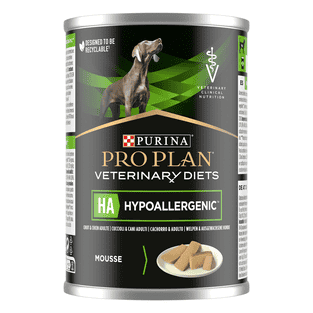
from CHF 45.30
Purina Pro Plan Veterinary Dietsfor the diagnosis and elimination of Food allergies and intolerances in adult dogs and puppies
-
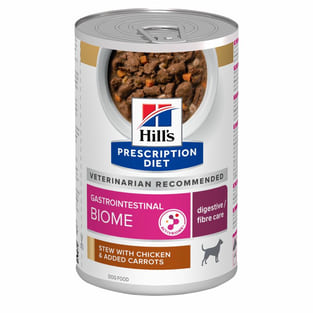 CHF 73.50Free shippingHill's Prescription Diet
Supports digestion in case of diarrhea and constipation
-

from CHF 29.10
Hill's Prescription DietSupports digestion in case of diarrhea and constipation
-
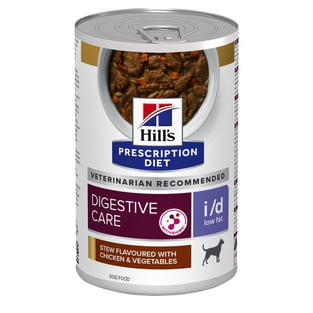 CHF 67.50Hill's Prescription Diet
Energy-reduced gastrointestinal diet for adult dogs
Enriched with Hill's ActivBiome+ technology -
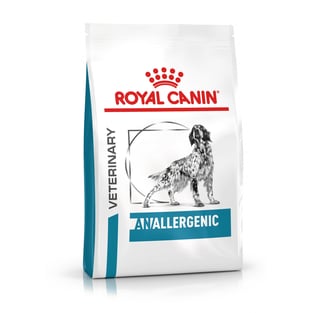
from CHF 35.40
Royal Canin Veterinary DietFor dogs with persistent food intolerance
-
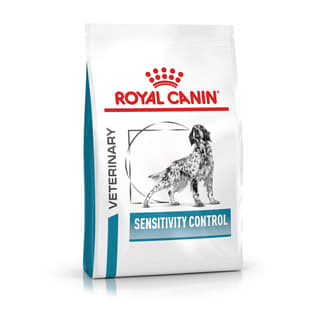
from CHF 29.70
Royal Canin Veterinary DietFor dogs with food intolerance.
-
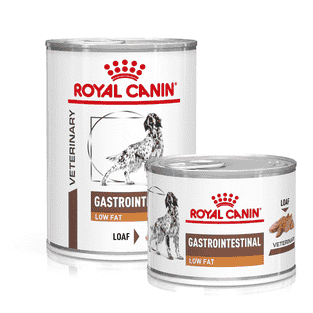
from CHF 33.60
Royal Canin Veterinary DietComplete dietary food for dogs to support fat metabolism in hyperlipidemia. Low fat content.
-
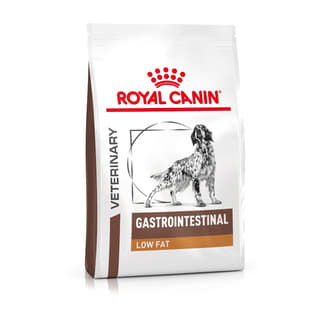
from CHF 29.70
Royal Canin Veterinary DietComplete dietary food for dogs to support fat metabolism in hyperlipidemia. Low fat content.
-
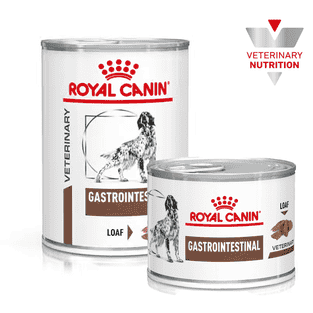
from CHF 34.30
Royal Canin Veterinary DietFor dogs with diseases of the digestive tract
-
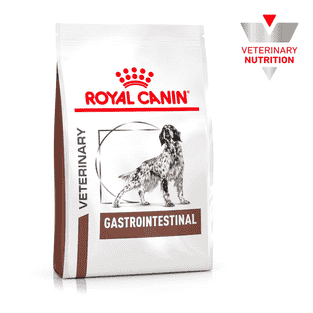
from CHF 34.50
Royal Canin Veterinary DietFor dogs with diseases of the digestive tract
-
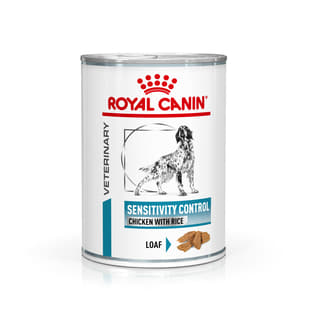 Free shipping
from CHF 58.80
Royal Canin Veterinary DietFor dogs with food intolerance. Chicken & rice, duck & rice
-
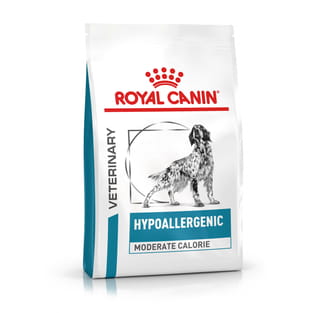
from CHF 32.90
Royal Canin Veterinary DietFor dogs with food intolerance
A moderate energy intake helps to reduce weight gain -
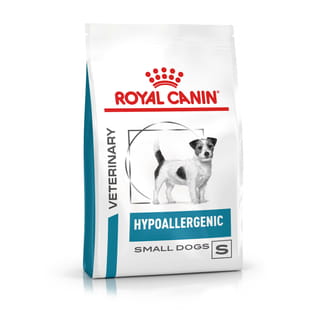
from CHF 22.80
Royal Canin Veterinary DietFor small breed dogs (<10 kg) with food intolerance
-
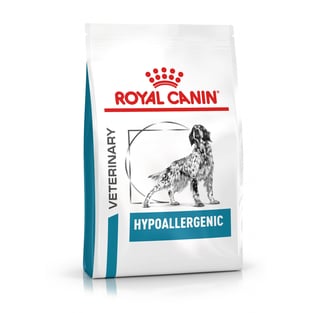
from CHF 36.40
Royal Canin Veterinary DietFor dogs with food intolerance
-
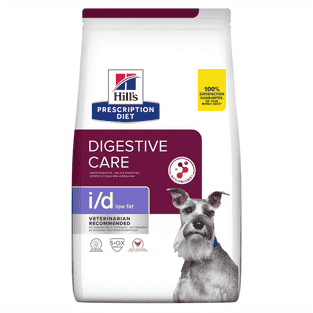
from CHF 29.50
Hill's Prescription DietGastrointestinal diet for adult dogs
Enriched with Hill's ActivBiome+ technology -
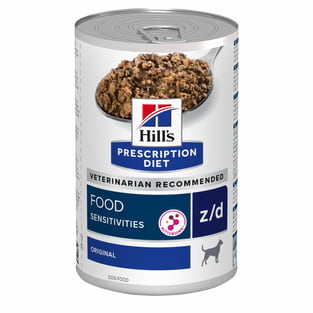 CHF 60.40Hill's Prescription Diet
Allergy diet for dogs, enriched with Hill's ActivBiome+ technology
-
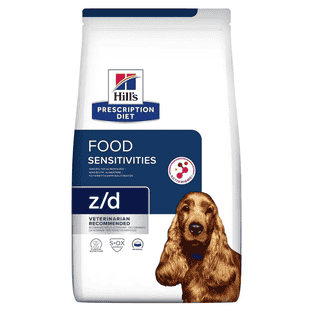
from CHF 62.10
Hill's Prescription DietAllergy diet for dogs
Enriched with Hill's ActivBiome+ technology -
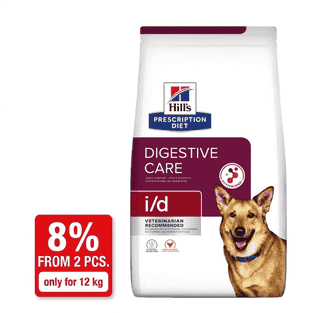
from CHF 27.30
Hill's Prescription DietGastrointestinal diet for adult dogs and puppies
Enriched with Hill's ActivBiome+ technology -

from CHF 47.20
Purina Pro Plan Veterinary Dietsfor the diagnosis and elimination of Food allergies and intolerances in adult dogs and puppies
-
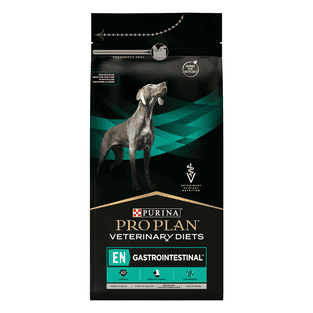
from CHF 24.90
Purina Pro Plan Veterinary DietsComplete food to remedy digestive disorders in adult dogs and puppies
High acceptance -
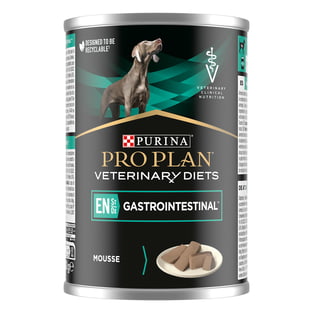
from CHF 45.20
Purina Pro Plan Veterinary Dietsto remedy digestive disorders in adult dogs
-
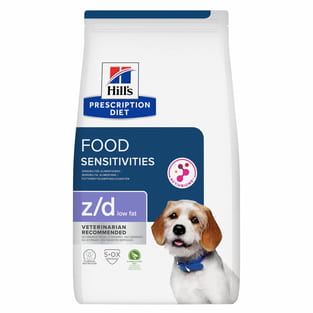
from CHF 61.50
Hill's Prescription DietAllergy diet, helps to prevent skin and digestive symptoms caused by undesirable food reactions. Supports dogs with impaired fat digestion
-
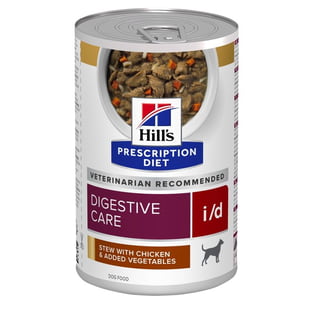 CHF 63.90Hill's Prescription Diet
Gastrointestinal diet for adult dogs and puppies
Enriched with Hill's ActivBiome+ technology -
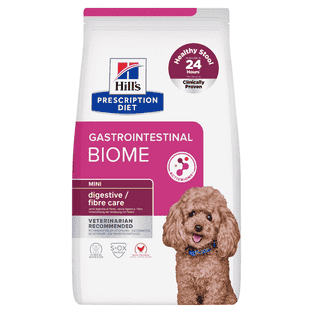
from CHF 18.80
Hill's Prescription DietSupports digestion in case of diarrhea and constipation
-
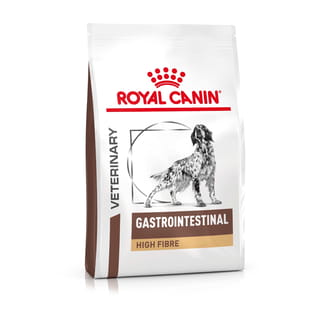
from CHF 31.90
Royal Canin Veterinary DietComplete diet food for adult dogs to compensate for inadequate digestion. Easily digestible nutrition.
-
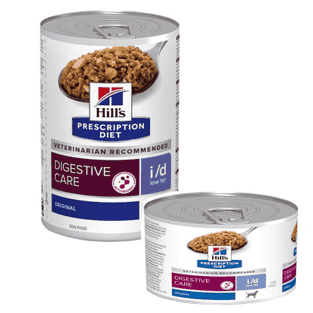
from CHF 39.80
Hill's Prescription DietFat-reduced wet food for adult dogs to support digestion, enriched with ActiveBiome+
-
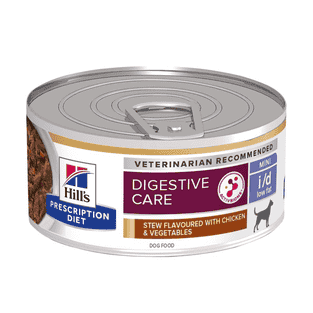 CHF 71.50Free shippingHill's Prescription Diet
Low-fat diet for small breed dogs supports healthy digestion and soothes the digestive tract
-
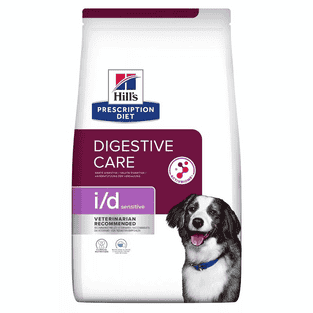
from CHF 29.70
Hill's Prescription DietGastrointestinal diet for adult dogs with suspected food intolerance.
Improved recipe, now exclusively for adult animals. With low calcium and phosphorus content and S+OX Shield technology for a healthy urinary environment.
Enriched with Hill's ActivBiome+ technology -
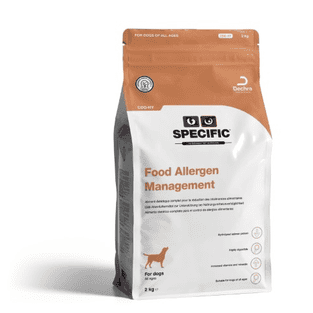 Free shipping
from CHF 80.10
Specific DiätfutterFood allergy and/or intolerance. Special: Hydrolyzed protein source
-
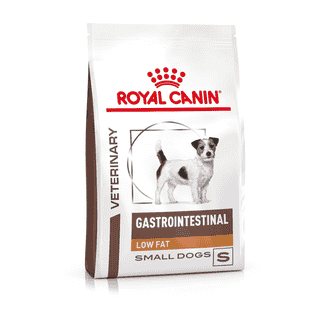
from CHF 25.70
Royal Canin Veterinary DietComplete dietary food for small dogs to support fat metabolism in hyperlipidemia. Low fat content.
-
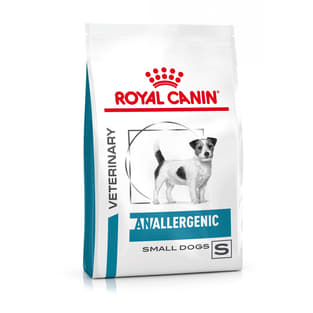
from CHF 40.50
Royal Canin Veterinary DietFor small dogs (< 10 kg) with persistent food intolerance
-
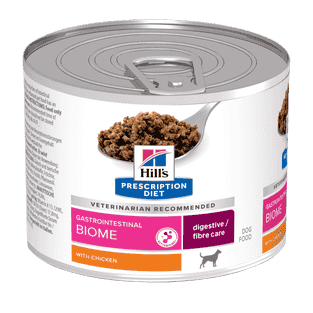 CHF 45.60Hill's Prescription DietWet food to support healthy digestion in dogs, enriched with ActivBiome+
 -
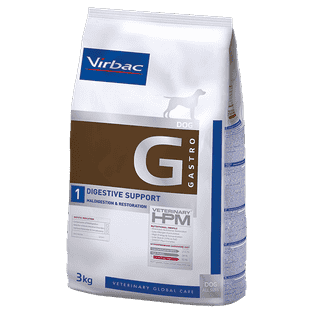
from CHF 52.40
Virbac VeterinaryComplete feed to support the treatment of diseases of the digestive tract in dogs
-
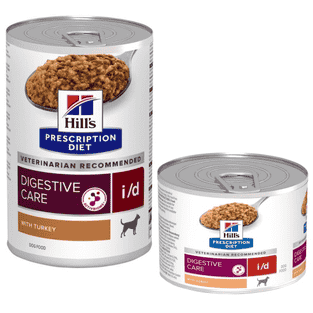
from CHF 39.90
Hill's Prescription DietGastrointestinal diet for dogs, enriched with Hill's ActivBiome+ technology
-
 Free shipping
from CHF 65.10
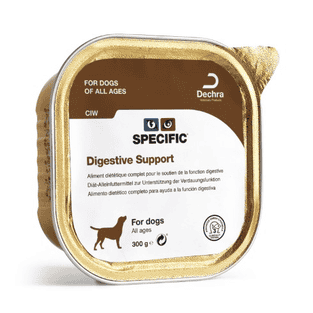
Specific DiätfutterGastrointestinal complaints, exocrine pancreatic insufficiency
-
- - 8 %
from CHF 32.10
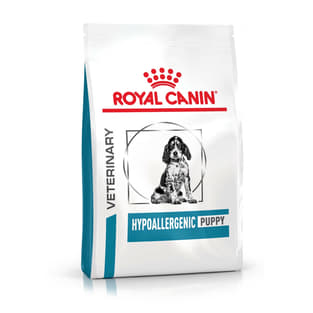
Royal Canin Veterinary DietFor puppies with food intolerance
-
from CHF 23.80
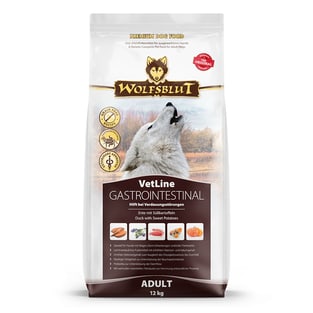
Wolfsblut VetLineComplete dietary food for adult dogs to alleviate intestinal absorption disorders, to compensate for inadequate digestion and for chronic pancreatic insufficiency.
-
from CHF 36.10
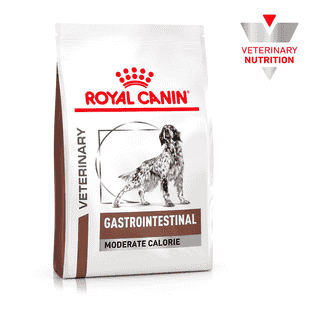
Royal Canin Veterinary DietFor overweight/castrated dogs with diseases of the digestive tract
-
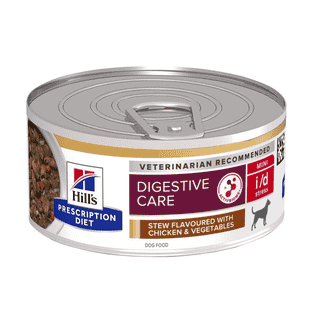 CHF 71.50Free shippingHill's Prescription Diet
Helps to alleviate stress-related gastrointestinal disorders in dogs up to 14 kg
Enriched with Hill's ActivBiome+ technology -
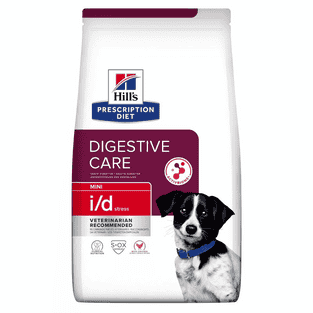
from CHF 20.50
Hill's Prescription DietStress-related gastrointestinal disorders in small dogs (< 14kg)
Enriched with Hill's ActivBiome+ technology -
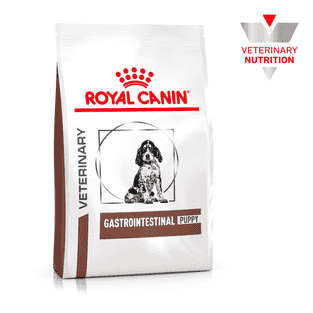
- - 7 %
from CHF 39.30
Royal Canin Veterinary DietBalanced and nutritious Complete food for puppies with gastrointestinal problems
-
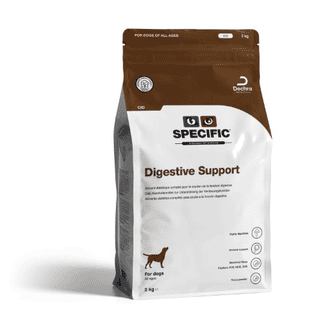 Free shipping
from CHF 68.60
Specific DiätfutterGastrointestinal complaints, exocrine pancreatic insufficiency
-
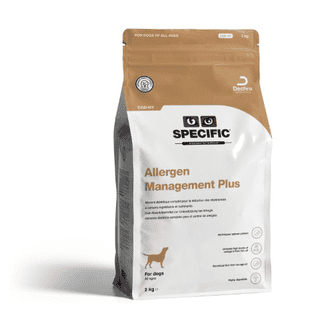 Free shipping
from CHF 91.10
Specific DiätfutterFood allergy and/or atopy. Special: Hydrolyzed protein source
-
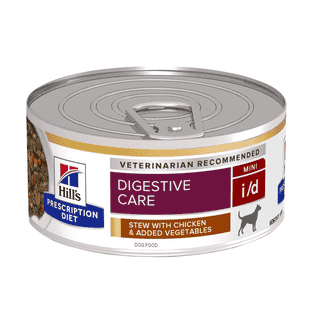 CHF 79.00Free shippingHill's Prescription Diet
Helps to alleviate digestive problems in small breed dogs
-
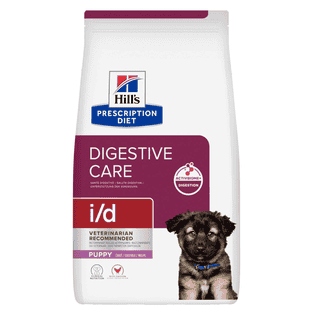
from CHF 31.20
Hill's Prescription DietClinically proven dry food that helps to reduce digestive disorders in puppies and improve the consistency of their stools
-
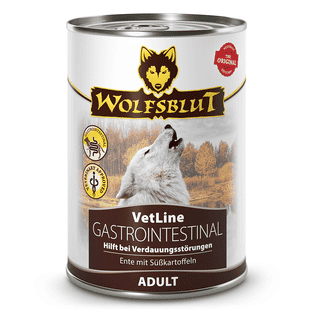 CHF 31.80Wolfsblut VetLine
Complete dietary food for adult dogs to alleviate intestinal absorption disorders, to compensate for inadequate digestion and for chronic pancreatic insufficiency.
-
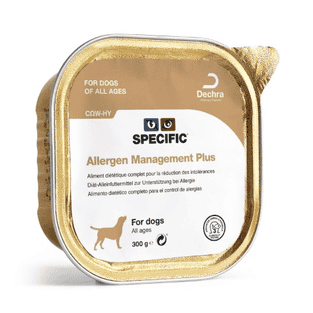 CHF 67.40Specific Diätfutter
Food allergy and/or atopy Special: Hydrolyzed protein source, for dogs
-
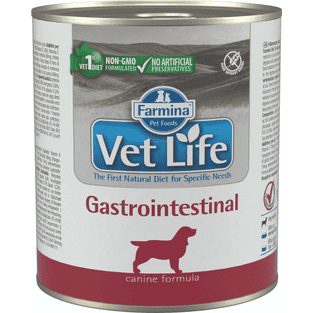 CHF 46.90Farmina Vet Life
Wet food for dogs. For inflammatory gastrointestinal diseases and digestive disorders.


What is a bland diet for dogs and when is it useful?
A bland diet for dogs is a special type of nutrition based on easily digestible, low-fat, and non-irritating ingredients. It is typically used for acute gastrointestinal issues such as diarrhea and vomiting, after surgeries, during loss of appetite, or to gently support a food transition. The goal is to give the digestive tract a break so it can recover, while still providing the body with all the essential nutrients it needs to heal.
Making a bland diet for your dog yourself: Recipes and suitable ingredients
A proven home remedy for gastrointestinal issues is the classic bland diet of chicken and rice. To make this, boil lean, boneless, skinless chicken breast thoroughly and serve it with very soft, almost mushy boiled rice in a ratio of about 1:2. In addition to this classic, other ingredients are also excellent: Moro's carrot soup, whose long cooking time releases special sugar molecules (oligosaccharides), is particularly effective for diarrhea. Lean cottage cheese provides easily digestible protein and can be mixed in in small amounts. Boiled, mashed potatoes or puffed rice serve as alternative carbohydrate sources, while crumbled rusk can soothe the stomach. Important for all home-cooked meals: Do not use any spices, salt, or oil.
Buying a ready-made bland diet: When is a veterinary diet the better choice?
Although a homemade bland diet helps in the short term, a ready-made dietary dog food from the vet can be the better choice, especially for longer use or severe symptoms. On the one hand, the nutritional balance is precisely tailored to the needs of a weakened dog, ensuring a complete supply of all vitamins and minerals. On the other hand, it is a time-saving and practical everyday solution. Furthermore, specialized recipes often contain additional ingredients such as prebiotic fibers that help the intestinal flora, or an adjusted electrolyte content to compensate for losses.
How to use a bland diet correctly: Feeding duration and what to do after vomiting
To avoid overloading the irritated digestive tract, the daily portion of the bland diet should be divided into several small meals offered throughout the day. Feeding is usually done over a period of three to seven days, or until the stool has returned to a normal, firm consistency. Afterward, a gradual transition back to the dog's regular food is carried out by slowly increasing the proportion of normal food over several days. If your dog has vomited, offer only water at first. For healthy adult dogs, a food break of 12 to 24 hours can be beneficial. After that, start with a very small amount of the bland diet and slowly increase the portion size, as long as your dog does not vomit the food again.
After the bland diet: How to support the recovery of your dog's intestinal flora
A gastrointestinal illness can significantly disrupt the delicate balance of the intestinal flora (microbiome). To support regeneration and promote "good" gut bacteria, probiotics and prebiotics are ideal. Probiotics are living microorganisms that settle in the gut and help crowd out harmful germs. Prebiotics are special dietary fibers that serve as food for beneficial bacteria, stimulating their growth. This combination, often available as dietary supplements, helps bring your dog's intestinal flora back into balance. This not only stabilizes digestion but also supports the immune system in the long term.
Special needs: Bland diets for puppies and seniors
Puppies and older dogs have special requirements for a bland diet. Extra caution is needed with puppies experiencing digestive issues. They must never fast, as their energy reserves are low and they can quickly become dehydrated or hypoglycemic. A visit to the vet is immediately required here to determine the cause and ensure prompt treatment. Seniors often have a naturally more sensitive digestive tract and an altered metabolism. They need a particularly high-quality and easily digestible bland diet to meet their nutritional needs without unnecessarily burdening their system.
When is a visit to the vet absolutely necessary?
While a bland diet is often sufficient for mild symptoms, there are clear signs that require you to consult a vet immediately. These include diarrhea lasting longer than 48 hours or that is very watery, repeated or uncontrollable vomiting, as well as severe lethargy or loss of appetite. Blood in the stool, signs of severe abdominal pain (e.g., a hunched posture, restlessness), or a hard, bloated abdomen are absolute warning signs. These symptoms indicate a serious underlying condition that requires immediate veterinary evaluation and treatment.
-
-
A bland diet for dogs is an easily digestible, low-fat, and non-irritating food that relieves the gastrointestinal tract during acute issues such as diarrhea or vomiting. It consists of a few well-tolerated ingredients to give the digestive system a break without unnecessarily burdening the body.
-
As a rule, a bland diet should be fed for 3 to 7 days until the stool returns to normal. This is followed by a slow, gradual transition back to regular food over several days to prevent a relapse.
-
A bland diet for dogs with diarrhea is a widely recommended remedy. A classic is boiled chicken with mushy cooked rice, as this combination is easy to digest and provides energy. Moro's carrot soup is also a proven home remedy that can help protect the intestinal wall and compensate for fluid loss.
-
Boil lean, boneless, skinless chicken breast until fully cooked and shred it into small pieces. Mix it in a 1:2 ratio with very soft, unsalted cooked rice. The meal should be served lukewarm in small portions.
-
After a food break of a few hours (up to 24 hours for adult dogs), start with very small portions of a bland diet. Offer just one teaspoon at first and wait to see if the dog keeps the food down before feeding another small portion a little later.
-
Special "Gastro Intestinal" or "Sensitive" therapeutic diets are ideal for dogs with sensitive stomachs. These types of food contain highly digestible ingredients, an adjusted fat content, and often prebiotic fibers to support a healthy intestinal flora.
-
After a gastrointestinal illness, probiotics (good bacteria) and prebiotics (fibers as food for these bacteria) can help as a dietary supplement. They support the restoration of a healthy balance in the gut and strengthen the immune system.
-
You should visit the vet if the diarrhea lasts longer than 48 hours, is very watery, contains blood, or is accompanied by other symptoms such as vomiting, lethargy, or a fever. For puppies, an immediate visit to the vet is highly recommended.
-
Yes, there is a large selection of veterinary therapeutic diets available as wet or dry food. This dog food is specially developed for gastrointestinal problems, nutritionally balanced, and a practical alternative to cooking yourself.
-
Easily digestible proteins such as boiled chicken or cottage cheese, along with soft-cooked carbohydrates like rice or potatoes, soothe an irritated stomach. These ingredients provide nutrients without putting too much strain on the digestive system.
-
From secret snacks during walks to a disrupted intestinal flora – constant diarrhea has many triggers. Find out here what simple feeding tips and measures you can take to calm your dog's digestion in the long term. Read more about preventing recurring diarrhea in dogs.
-
- brands 330
- Bland Diet for Dogs 82

The online store of Swiss veterinarians with dog veterinary diet food and dog pharmacy.


