
 EN
EN  DE
DE  FR
FR Enclosure facilities
Filters
-
from CHF 22.50
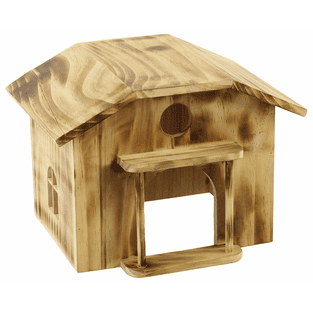
CopacabanaWooden house as a retreat in the rodent enclosure -
 CHF 33.10bunny nature
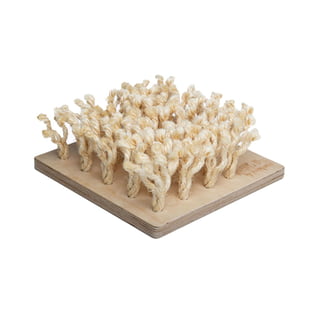
Wooden sniffer board to keep rodents occupied in a meaningful way
-
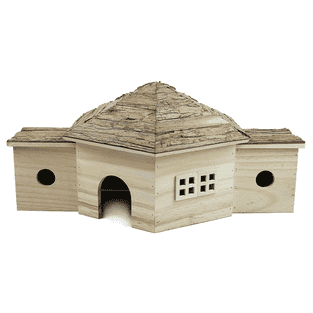 CHF 28.90CopacabanaLarge rodent house with 3 rooms for hamsters & mice
 -
 CHF 36.80swisspetWooden house for guinea pigs & dwarf rabbits
 -
 CHF 42.40TrixieWooden house for rabbits & guinea pigs without staples or nails
 -
 CHF 26.70swisspetRodent house made of natural wood decorated with semicircular tree trunks
 -
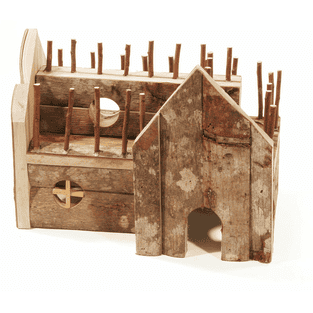 CHF 26.10CopacabanaCharming wooden hiding place in the shape of a church for dwarf hamsters & colored mice


A well-structured enclosure is important to provide small animals with a species-appropriate and varied life. The enclosure equipment should be tailored to the needs and behavior of the respective animal species .
The enclosure accessories should be made of natural and non-toxic materials that will not harm the animals and should be processed in such a way that the risk of injury is reduced as much as possible.
Rabbits and guinea pigs
Rabbits and guinea pigs need space to hop, dig and run, but also at least one separate retreat for each animal, ideally with two entrances. Rabbits in the introductory phase in particular sometimes chase each other and it is important that they are not pushed into a corner, but always have an escape route. Rabbits come in very different sizes, so when buying a house you should make sure that it is big enough, as many houses are designed for dwarf rabbits.
It goes without saying that sufficient drinking facilities should be provided. Ideally, not only drinking bottles, but also a bowl in case the drinking tube is blocked. A sufficiently large hay rack is also a must when keeping guinea pigs and rabbits. If you want to offer your pet a little more variety, you can also find great feeding toys for rodents on the market, with which the animal has to make a little mental effort to reach its food. If the rabbits live indoors and don't have access to the meadow, digging boxes are also a great way to keep them occupied. Cats can also be used as play tunnels for rabbits. However, you should keep a close eye on whether the rabbits start to gnaw on them, in which case you should remove them. In general, you should keep a close eye on the enclosure, especially the wooden houses that contain nails or screws. If these are badly gnawed, they should be replaced.
Hamsters, mice and degus
Hamsters, mice and degus absolutely need a high layer of well-pressed bedding (at least 25 cm) to dig tunnels and Condos. Some hamster specimens, so-called "phantom hamsters", even spend most of their lives underground. A sufficiently large running wheel with a closed running surface and back is also essential for hamsters and degus. For Roborowski and dwarf hamsters, the diameter must be at least 25 cm and for golden hamsters at least 30 cm to avoid damage to the spine. Running plates are also suitable for degus and the running wheel should have a diameter of at least 33 cm.
Hamsters, degus and gerbils need a sand bath with bathing sand or chinchilla sand (bird sand is not suitable!). If you want to keep Roborowski hamsters, the smallest of all hamster species, as species-appropriate as possible, the sand should even make up two thirds of the enclosure area! Colored mice, on the other hand, do not bathe in sand, but you can place a small bowl of bathing sand in the enclosure, which some like to use as a toilet.
An extra food bowl is unnecessary for hamsters. It is better to scatter the food loosely around the enclosure so that the small rodents can pursue one of their main natural activities, which is to search for, collect and bunker food. Mice and degus also like climbing toys and different levels in their enclosure, whereas flat cork tubes and normal houses are preferable for hamsters, as they are poor climbers and the risk of falling is otherwise high. Small nipple drinkers can also be used for hamsters and mice, but small bowls the size of a tea light holder are also suitable. Large water bowls should be avoided as there is a risk of drowning or catching a cold if the hamster or mouse gets all the way in.
Rats
Rats, on the other hand, have completely different needs: They don't need deep bedding, but they do need different levels, lots of climbing and sleeping opportunities. They also like Hammocks. Of course, rats also need drinking bottles and/or drinking bowls. Rats are very intelligent animals and should have plenty to do. You can make lots of things yourself or buy ready-made intelligence toys. Dog and cat intelligence toys can also be used with rats under supervision.
Chinchillas
Chinchillas are great climbers and jumpers and love to gnaw. This means that they also need to be provided with sufficient climbing and, above all, gnawing opportunities using wooden branches, cork tubes, various levels and grazing bridges. A wooden house should be provided for each chinchilla in case they want some peace and quiet from each other.