

 EN
EN  DE
DE  FR
FR Fights and Abscesses in Cats
-
 By
med. vet. Bianca Michoud-Valente
By
med. vet. Bianca Michoud-Valente - Apr 15, 2022
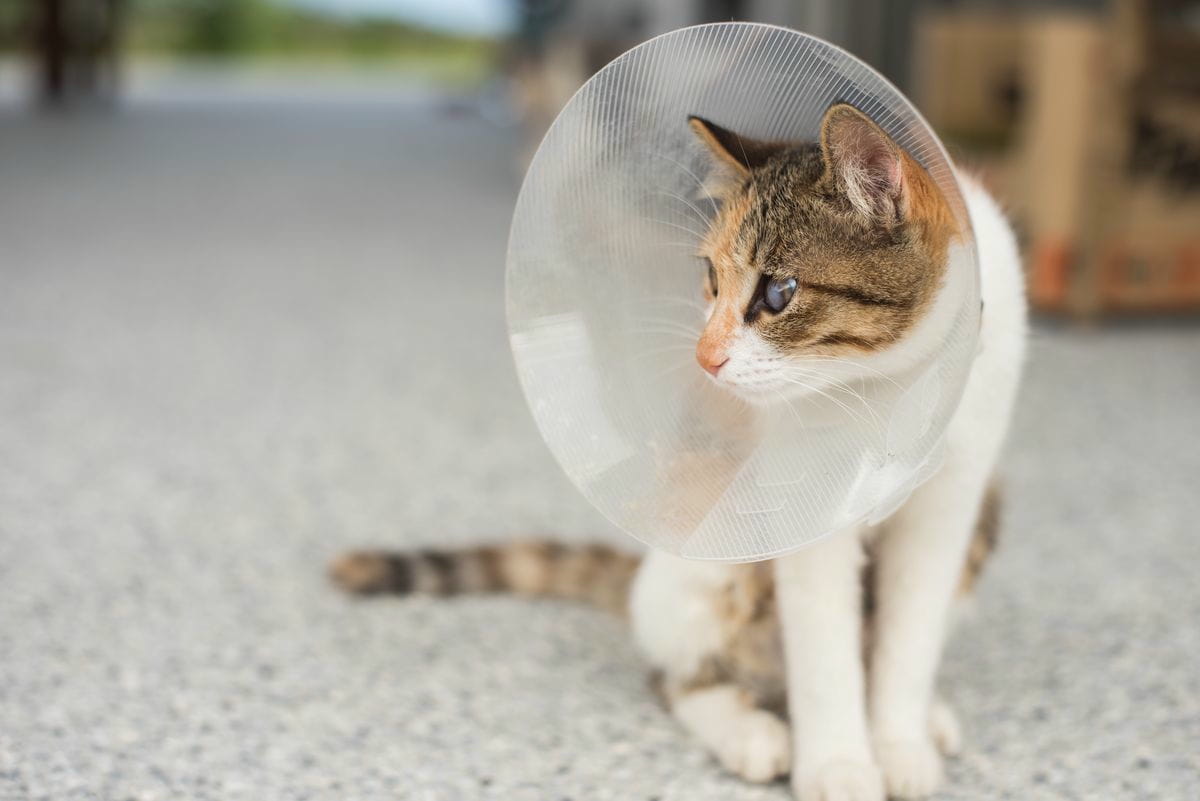
With the onset of the warmer season, our cats are once again spending more time outdoors. The spring-like atmosphere encourages them to rediscover their surroundings and redefine their territories. This increases the likelihood of them encountering a fellow cat, leading to confrontations that can end in a serious fight. What should you do if your cat has been in a fight? How do you recognize an abscess? And how can you limit the risk of a fight?
Allowing your cat outdoors enables them to live a fulfilling life that matches their independent and exploratory nature. Free-roaming cats who can hunt, climb, and run are stimulated and happy. They are less at risk of suffering from boredom or obesity. However, this lifestyle is not without its dangers, as cats are exposed to a higher risk of accidents and can get involved in fights that lead to bite injuries.
Cats are naturally territorial animals, and it's not uncommon for a territory to be contested. Disputes between cats are therefore quite frequent. Usually, they are limited to more or less loud intimidation attempts. Cats may hiss, yowl, swat with their paws, and chase each other. Most often, one of the two gives in to the other's threats and leaves. Sometimes, however, neither cat backs down. In this case, the confrontation becomes more intense, and the cats scratch, bite, and injure each other. Then there is a risk of an abscess forming.
What to do if a fight has occurred?
Cats have sharp claws and teeth, on which numerous bacteria reside. When they scratch or bite, they create small punctures in the skin that quickly close up again. The bacteria, which enter under the skin via a claw or tooth, can multiply there, leading to a subcutaneous infection and an abscess.
If your cat comes home after a fight, you should definitely check them for bite and scratch marks. Most often, such injuries can be identified by fresh or dried blood that has matted the hair in the coat. To find them, you need to feel your cat all over. The most commonly affected areas are the head and the lower back or tail (if the cat was injured while fleeing). Sometimes they are also injured on the paws or flank.
If you find a wound, you can trim the hair around it to get a better view and disinfect it immediately. For this, you can use a Betadine solution or a Chlorhexidine wound disinfectant.
However, be careful when administering this first aid, as a cat in pain may bite.
Observe your cat in the following days. If they are limping, have a fever, show signs of lethargy, are off their food, smell bad, or are aggressive, you should have them examined and treated by a vet as soon as possible.
If you feel a lump under your cat's skin, it is almost certainly a closed abscess. This is a pocket of pus under the skin. An abscess forms slowly, over several days, and is not immediately visible after the fight.
The abscess may also have already opened by the time you discover it. In that case, you will primarily see pus and blood in the cat's coat, and if you look closely, you will recognize the hole from which these are exiting.
If you find any signs of an abscess on your cat, you should always consult a vet immediately.
What is an Abscess and How is it Treated?
An abscess is an encapsulated collection of pus under the skin. It is caused by bacteria that have entered under the skin through the penetration of teeth or claws. The resulting hole is usually tiny and closes immediately. The bacteria are then trapped under the skin in an oxygen-free environment where they can multiply well. As a result, pus forms, the cat develops a fever, and can become lethargic. The body, trying to fight off the infection, forms a capsule around the infection. The pus accumulates and eventually forms a lump. This presses on the skin and is very painful. This pain causes the cat to intensely lick the area until the surface of the abscess dies off and a mixture of pus and blood drains out.
The greatest risk of an abscess is sepsis, where the initially localized infection enters the bloodstream. The bacteria then spread throughout the body, leading to life-threatening blood poisoning.
For this reason, it is important to consult a vet.
For an already ruptured abscess, your vet will drain and flush it to remove all the pus. Then they will leave the abscess open so that the pus drains naturally until the infection is under control. This step can sometimes be performed while the cat is awake, but sometimes it requires anesthesia. If your vet deems it necessary, your cat will receive antibiotics and anti-inflammatory medication.
If the abscess is still closed, a surgical incision is needed to open it so it can be drained and flushed. Afterwards, the wound will also be left open, possibly with a drain, until the infection is under control. In this case too, your cat will receive medication if necessary.
Sometimes the abscess has not yet formed, but the infection is already present and causing symptoms in your cat such as lethargy and fever. In this case, the nascent abscess does not necessarily require surgical treatment. The vet may also decide to only prescribe medication and monitor the course (or absorption) of the abscess.
Once the abscess has healed, the hair will grow back and the scar will disappear.
How to Avoid Fights Between Cats?
A cat allowed outdoors is a happy cat. Despite the dangers lurking in nature, your cat will thrive if they can continue to go outside and let off steam.
If you have a territorial and aggressive cat, there are measures you can take to reduce the risk of a fight with neighborhood cats.
-
Spay/neuter your cat: Spayed/neutered cats roam less widely than unneutered cats looking for a mate. They are also less territorial and avoid conflicts that can arise from mating competition.
-
Avoid nocturnal excursions for your cat: Most confrontations occur at night. If you accustom your cat to going out during the day and coming home at sunset, this will limit encounters with other cats.
-
Maintain regular times: A cat should be able to go outside at the same times each day, as cats sharing a territory naturally choose different times to avoid each other.
-
Install a microchip cat flap: This way, only your cat, and no stray cats, can enter the house, preventing conflicts from unwanted feline visitors.
-
Talk to your neighbors: Sometimes disputes are provoked by a very aggressive, often unneutered cat. In such a case, seek dialogue with their owners to find a suitable solution for all parties.

Set ipet.ch as a preferred source on Google
Never miss a tip: Set ipet.ch as a preferred source in your Google account so that our veterinary advice and pet care guides appear higher up in your search results. Optional and can be undone at any time.
Set as preferred source →Useful information at a glance
How do I know if my cat is injured after a fight?
After a fight, examine your cat for bite and scratch marks. These are often recognizable by fresh or dried blood that has matted the hair in the coat. Pay particular attention to the head, hind back, tail, paws, and flanks. Trim the hair around the wound and carefully disinfect the area with a Betadine solution or a chlorhexidine wound disinfectant.
What is an abscess and how is it treated?
An abscess is an encapsulated collection of pus under the skin, caused by bacteria that enter the skin during a bite or scratch. A veterinarian will drain and flush the abscess to remove the pus. Depending on the severity, this may be done under anesthesia. Your cat may receive antibiotics and anti-inflammatory medication.
What signs indicate that my cat has an abscess?
An abscess often appears as a lump under the skin. Your cat might also have a fever, appear lethargic, or behave aggressively. If the abscess ruptures, you will see pus and blood in the coat. In such cases, you should immediately consult a veterinarian.
How can I reduce the risk of fights for my cat?
Spay or neuter your cat to reduce their territorial behavior. Avoid nocturnal excursions and maintain regular times for outdoor access. A microchip-reading cat flap prevents unwanted visits from other cats. Talk to neighbors if an aggressive cat in the area is causing problems.
What should I do if my cat shows symptoms like fever or loss of appetite after a fight?
If your cat shows fever, loss of appetite, or other symptoms of illness after a fight, you should have them examined immediately by a veterinarian. These symptoms could indicate an infection or an abscess that requires professional treatment.