
 EN
EN  DE
DE  FR
FR Our Tips for Moving with Your Cat
-
 By
med. vet. Bianca Michoud-Valente
By
med. vet. Bianca Michoud-Valente - Oct 2, 2023
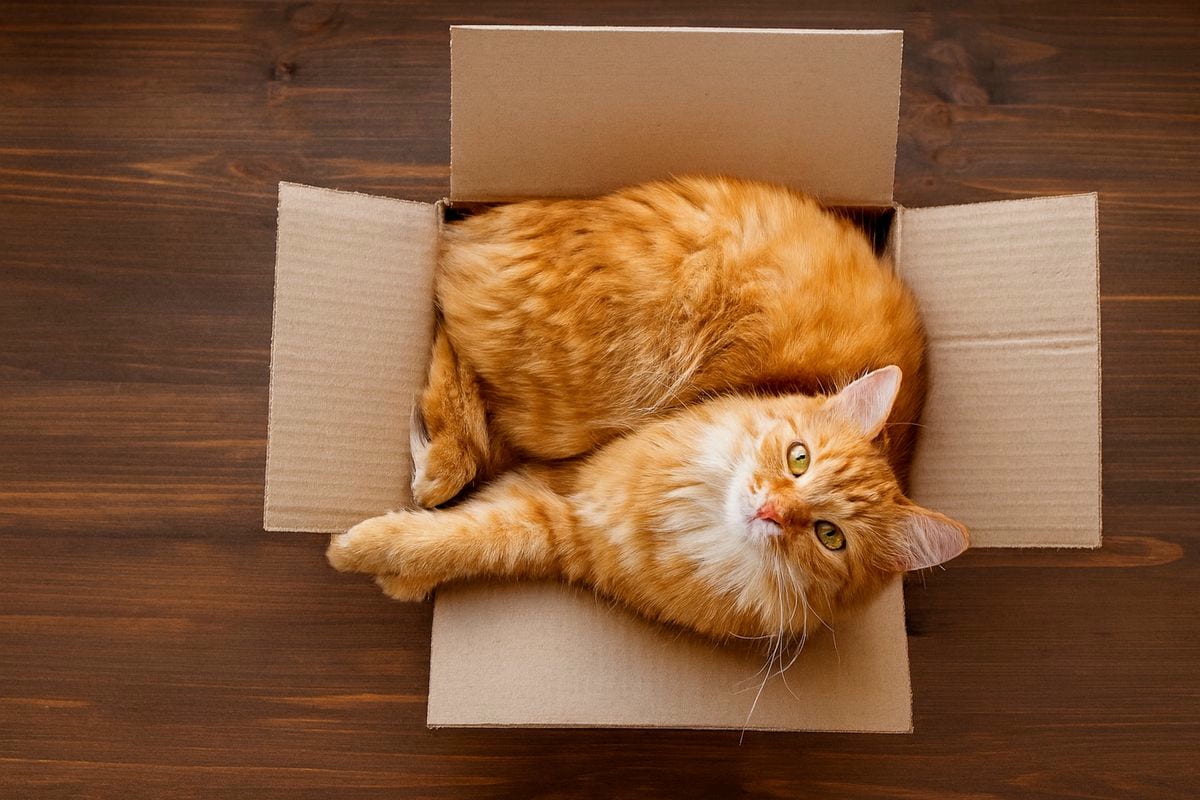
A move can be a significant source of stress for cats, as their sense of security and well-being strongly depends on their familiar environment. This environment includes familiar sights, objects, sounds, and smells from their own territory, to which they are closely bonded. Moving is usually extremely stressful for their owners too, so thorough planning is crucial to ensure a smooth move for the entire family.
Organizing Moving Day
For moving day, you have two options: you can either board your cat in a cattery or take them with you directly during the move. The choice between these options should depend on your personal preferences and your cat's personality, as every animal is different.
Boarding in a Cattery
If you board your cat in a cattery for a few days, it spares them the stress of experiencing the move with all the unfamiliar impressions, sounds, and smells. At the same time, it also relieves you, as you won't have to worry about them during the move.
This is usually the simplest solution, but it must be organized well in advance. You need to find a cattery with available capacity, ideally consider a trial day for your cat to ensure they feel comfortable there, and most importantly, make sure their vaccinations are up to date.
Keeping Your Cat With You
This option requires careful organization and planning. The following advice serves as a guide, but since circumstances vary for everyone, you may need to adapt some of it to your individual situation, needs, and your cat's personality.
First, in your current home, you should reserve a room for your cat that can be cleared of furniture a week or two before the move. We recommend doing the same in the new home, so you can bring your cat into this room immediately upon arrival. Ideally, both rooms should be quiet and away from the moving hustle and bustle, to ensure your cat is not disturbed during the move.
About one to two weeks before the move, you should start getting your cat used to this retreat. Place a basket, some toys, a litter box, and the open, blanket-lined mobile kennel in the room. However, if possible, leave other baskets, toys, the cat scratcher, and the litter box in the rest of the house so the cat retains their familiar reference points. Then, start to feed your cat daily in this room so they can become familiar with their "safe place."
The day before the move, bring the cat scratcher, all toys, all litter boxes, and food bowls into the new room and keep your cat in there to ensure they cannot run away. If you have more than one cat, make sure they have multiple resources, distributed as separately as possible in the room, to avoid additional conflicts or stress. If you already know that your cats don't particularly get along, it may be better to provide them with separate rooms.
On moving day, you should ensure that the door to your cat's room remains closed and that a clean litter box, fresh water, and sufficient food are available to them. Inform both the movers and the rest of your family about which room your cat is in, to ensure that no one disturbs them or accidentally lets them out. A notice sign on the door can also be helpful. The same applies once your cat is in their new room.
After the furniture and moving boxes have been removed from the old apartment and you are ready to move into the new house with your cat, make sure that the front door and windows are securely closed. Then, go into your cat's room and place them in their mobile kennel to load them into the car with all their belongings. You can increase your cat's safety and well-being if you spray the mobile kennel with pheromones a few minutes before placing the cat inside. If your cat gets car sick or a long journey is ahead, we recommend removing all food three to four hours before the trip.
Upon arrival at the new home, it is advisable to keep the cat in their mobile kennel while you prepare and set up the designated room for them. In this room, you can spray the same calming pheromones as in the mobile kennel. Place a T-shirt with your scent in the room and ensure your cat has some hiding spots. Afterwards, bring your cat directly into this prepared retreat room, where all their familiar items are already placed. Make sure they have immediate access to water and food. Then, close the door and leave your cat alone for a while so they can get used to the new environment.
Settling into the New Home
It is advisable to leave your cat alone in their new room for the first few days. A confined space often has a calming effect. In contrast, it can be stressful for the cat if they immediately have access to the entire house, especially if many pieces of furniture still need to be assembled and boxes unpacked. Exploring the new territory should wait until the initial hustle and bustle is over. Most cats will give you clear signals when they are ready to venture further. The time it takes strongly depends on their personality.
Once the excitement has subsided and most of the furniture is set up, you can open the room door and let your cat explore the new realm at their own pace. However, make sure that all doors, windows, and cat flaps are securely closed. Also, ensure that your cat has access to their safe room at all times, should they feel the need to retreat.
The Special Case of the Outdoor Cat
If your cat is an outdoor cat, there is always the risk that they will be confused after the move and run away. Therefore, it is important to keep your cat indoors for a period of time. A period of three to four weeks is usually sufficient. This allows your cat to relax in their new home and develop a sense of security before going outside.
For cats accustomed to outdoor access, it is often frustrating to be confined for weeks. For such cats, it is therefore important to offer them plenty of toys and enriching activities.
When you finally grant your cat outdoor access again, it is advisable to do this gradually and let them explore the outdoor environment at their own pace. You can start by opening a door when you are home and letting your cat go out by themselves. If a cat flap is present, it should remain closed for now. Always stay nearby at first. Occasionally call them back inside and reward them with food when they return. Over time, you can gradually extend the periods they are outside and finally open the cat flap.
The Benefits of Pheromones
When cats rub their face on furniture, walls, or doors, they mark their territory with scent markers from their facial glands. This behavior increases their sense of security and comfort. These scent markers, also known as pheromones, can be artificially produced and are available in the form of sprays or diffusers. The use of such products can help cats feel comfortable and secure.
To reduce your cat's stress, you can already use such pheromones several weeks before the move in the room where your cat spends the most time. After the move, you can install a diffuser in your cat's retreat room to help them settle in. Additionally, we recommend spraying the mobile kennel with pheromones several days before the move and on moving day itself. This makes the mobile kennel more inviting, and the scent of the pheromones creates a calming atmosphere that reduces your cat's stress.

Set ipet.ch as a preferred source on Google
Never miss a tip: Set ipet.ch as a preferred source in your Google account so that our veterinary advice and pet care guides appear higher up in your search results. Optional and can be undone at any time.
Set as preferred source →Useful information at a glance
How can I make moving day less stressful for my cat?
On moving day, you can either board your cat at a cattery or keep them with you. If you choose to keep your cat with you, you should prepare a quiet room in both your old and new home where your cat can retreat. Ensure the room door remains closed and inform everyone involved to avoid disturbances.
What should I consider if I want to board my cat at a cattery?
If you wish to board your cat at a cattery, you should organize this well in advance. Find a suitable cattery with available capacity and consider a trial day to ensure your cat feels comfortable there. Make sure your cat's vaccinations are up to date.
How can I help my outdoor cat adjust to the new home?
After moving, keep your outdoor cat indoors for three to four weeks initially so they can get used to the new surroundings. Offer plenty of toys and activities to prevent frustration. When you allow your cat outdoors again, do so gradually and stay nearby at first.
What role do pheromones play when moving with my cat?
Pheromones can help reduce your cat's stress. Use pheromones in the form of sprays or diffusers several weeks before the move in the rooms where your cat frequently stays. On moving day and afterward, pheromones in your cat's mobile kennel and retreat room can create a calming atmosphere.
How can I ensure my cat doesn't run away after moving?
After moving, keep your cat indoors initially to give them the opportunity to get used to the new surroundings. Ensure all doors, windows, and cat flaps are closed. When your cat is ready to explore the new territory, let them do so at their own pace and make sure they always have access to their safe room.