
 EN
EN  DE
DE  FR
FR Coronaviruses in Pets – What You Should Know Now
-
 By
Dr. med. vet. Sabina Büttner
By
Dr. med. vet. Sabina Büttner - Mar 15, 2020
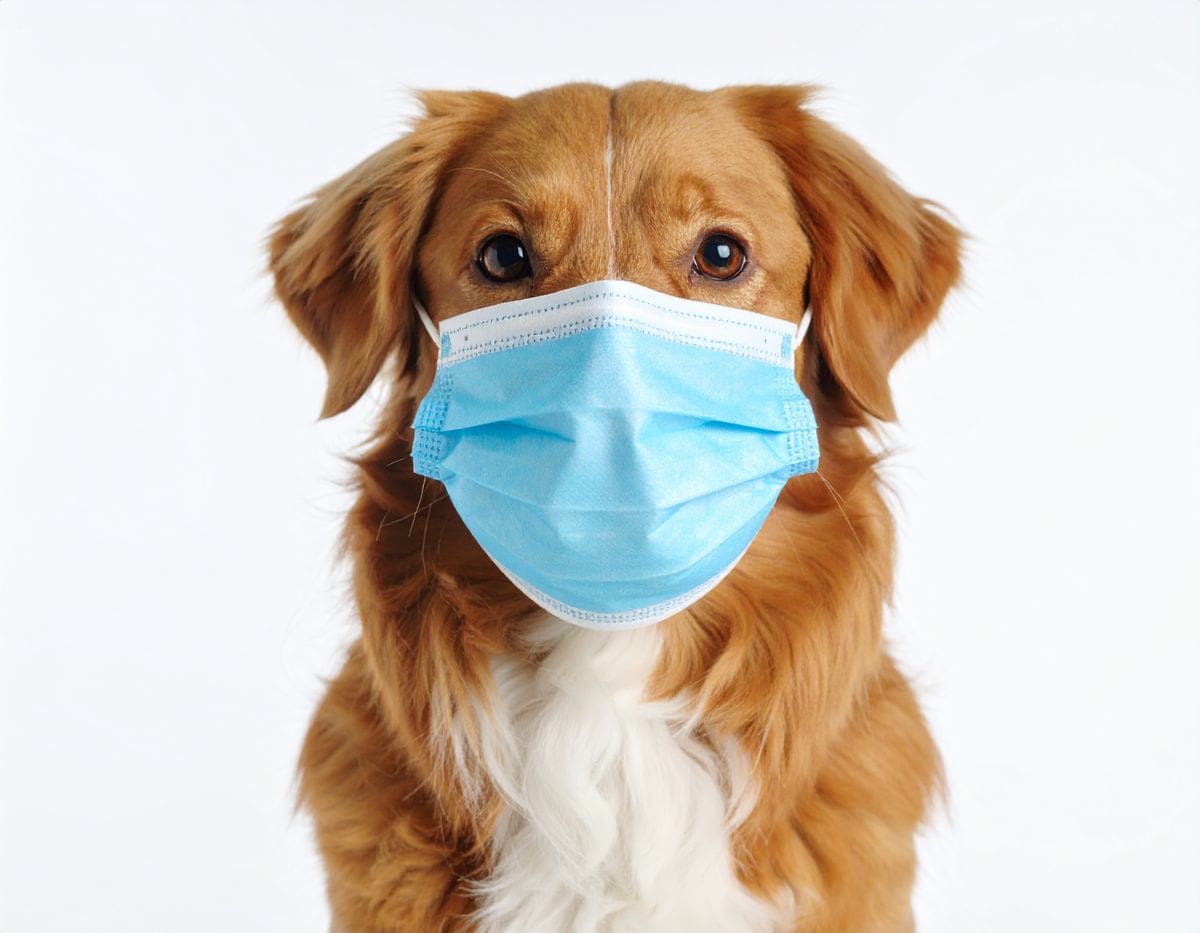
Currently, news about the new coronavirus SARS-CoV-2 is coming thick and fast, the facts are constantly changing, and many rumors and false reports are circulating. We have therefore compiled an overview of the current state of knowledge about the new coronavirus in connection with dogs and cats.
Can dogs get sick with the new coronavirus?
In Hong Kong, two dogs whose owners were ill with CoVID-19 tested weakly positive for the virus. However, it is assumed that these positive results stemmed from contamination of the dogs' nasal and oral mucous membranes from the highly virus-laden environment. One dog, a 17-year-old Pomeranian, unfortunately passed away on March 16th after being released from quarantine following 2 negative coronavirus tests. The owner did not consent to an autopsy, so the exact cause of death could not be determined.
A preliminary animal experimental study from China indicates a low susceptibility of dogs to SARS-CoV-2. Worldwide, isolated cases of virus detection have repeatedly occurred in dogs from households with COVID-positive tested individuals. The dogs generally show no symptoms of illness. It is therefore still assumed that dogs do not fall ill with CoVID-19.
Can cats get sick with the new coronavirus?
The Belgian Ministry of Health announced on March 27th that a cat had tested positive for the coronavirus. This is an isolated case. The cat was infected through close contact with its infected owner. It showed temporary respiratory problems and diarrhea and has subsequently fully convalesced.
A recent study from China shows that cats and ferrets can be experimentally infected with SARS-CoV-2 and can also transmit the virus to conspecifics under specific experimental conditions.
In Wuhan, a city particularly affected by Covid-19, approx. 140 cats were tested for antibodies against SARS-CoV-2. Antibodies against the virus were found in 11 of these cats, suggesting a past infection.
The Federal Food Safety and Veterinary Office (BLV) announced on December 3, 2020, that the new coronavirus had been detected in a cat in Switzerland for the first time. Isolated cases of the new coronavirus in cats and dogs are known worldwide. Almost all these animals came from households with individuals who tested positive for SARS-CoV-2. This also applies to the positively tested cat in Switzerland.
The virus can therefore apparently be transmitted from humans to cats in rare cases and occasionally cause symptoms of illness such as coughing, fever, or diarrhea in them. It is therefore important that confirmed infected individuals avoid close contact with their pets as much as possible to prevent infection of the cat.
However, there is still no reason to assume that cats are a significant factor in the spread of the disease.
Can dogs and cats transmit the new coronavirus?
According to current knowledge, it is assumed that infection with the new coronavirus via dogs or cats is unlikely. In the Covid-19 pandemic, human-to-human transmission is crucial for its spread.
A Spanish study published in November indicates a significantly increased 'corona risk' for dog owners. However, the most probable cause for this is presumably not dog ownership itself, but a higher risk of human contact during dog walks.
Although there is currently no evidence that pets play a significant role in the transmission of the new coronavirus, one should wash hands after handling animals to generally reduce the risk of pathogen transmission between pet and human.
How should pet owners behave if they are in home quarantine?
If you have had close contact with a person infected with coronaviruses and do not yet show any symptoms of illness yourself, you must self-quarantine for 10 days. In this case, you may continue to care for your animal. The cat may still go outside, and the dog may go into the garden. If you do not have a garden, dogs should be walked by healthy third parties who are not in quarantine. The dog should be kept on a leash and should not make any contact with other people or animals.
When interacting with animals, the general hygiene guidelines should be observed:
- Wash or disinfect hands thoroughly after contact with the animal.
- Do not let pets sleep in your bed.
- Do not allow your pet to lick your face or hands. If this happens, wash the affected areas thoroughly.
- Keep pet sleeping areas clean and regularly clean food bowls, preferably in the dishwasher; regularly clean toys, etc.
May individuals ill with COVID-19 have contact with pets?
Animals (dogs, cats, etc.) can be kept at home. However, if possible, they should be cared for by healthy individuals. Contact between patients and animals should be avoided or reduced as much as possible during the isolation period. Especially infected individuals should pay particular attention to hygiene when interacting with their pets, avoid close contact as much as possible, wear masks if possible, not cough or sneeze on the animals, and not let the animals lick their face.
Dogs may only be walked by healthy third parties who are neither in isolation nor in quarantine. They must be kept on a leash and should not make contact with other people or animals.
Animals that cannot be adequately cared for must be brought to another suitable care solution (e.g., a friend's private household) or an animal shelter for the duration of the isolation. Animal shelters must be explicitly informed in advance about the owners' isolation. Cats from isolation households should not be let outdoors if possible.
Special disinfection of dogs and cats from households with suspected cases or ill individuals is not necessary. Hands should be washed after contact with the animals.
What happens if the pet falls ill during the quarantine period?
If your dog or cat falls ill and needs veterinary assistance while you are in quarantine, please contact your veterinary practice by phone and inform them about the quarantine situation.
What must be observed when in contact with dogs and cats of individuals ill with COVID-19?
Although transmission of the new coronaviruses by dogs and cats is currently unlikely, the recommended hygiene measures when dealing with animals from households with ill individuals should be strictly observed. This means hands should be thoroughly washed with soap after every contact.
However, dogs and cats from quarantine households do not need to be specially bathed or disinfected.
If dogs from a quarantine or isolation household are walked by a third party, the (possibly) infected pet owners should thoroughly wash their hands before handing over and after returning the dog, and strictly adhere to the other recommended hygiene measures (2 meters distance, hygiene masks, etc.). The household of the ill person should not be entered for the handover. A separate dog leash should be used, not the owner's.
If external care by private third parties is not possible, the dog should be placed in an animal shelter. The animal shelter must be explicitly informed in advance about the quarantine/isolation.
What precautions should be taken for dogs and cats?
As a pet owner, you should take precautions in case you need to go into home quarantine or fall ill. Make sure you have enough food in the house. If your animal needs medication or food supplements, you should ensure that sufficient supplies of these are also available.
It is also advisable to clarify now with relatives and acquaintances who can care for your pet if you fall ill or need to go to the hospital.
What to do if my animal is infected with SARS-CoV-2?
Limit contact with the sick animal to the necessary minimum for at least 10 days. The general hygiene rules for handling pets should be consistently observed.
Particularly vulnerable individuals should avoid contact with the positively tested animal for 10 days and pay attention to strict hygiene measures. If possible, the care of the animal should be taken over by other people.
There is no reason to preemptively surrender pets to animal shelters. Should a pet test positive for SARS-CoV-2, this is not a reason to euthanize the animal.
Sources / further information:
FOPH: New Coronavirus – Frequently Asked Questions /(visited: 14.04.2020)
FSVO: Questions and Answers on Coronaviruses in Animals/ (visited: 04.12.2020)
Information for Pet Owners – University of Zurich /(visited: 06.05.2020)
OIE- Question and Answers on the Coronavirus Disease (COVID-19) /(visited:04.12.2020)
WHO – Q & A on Coronaviruses (COVID-19) /(visited:04.12.2020)
South China Morning Post / (visited: 19.03.2020)
FLI: FAQ: What role do pets play / (visited: 04.12.2020)
Useful information at a glance
Can dogs get sick from the new coronavirus?
There are isolated cases worldwide where dogs from households with COVID-positive individuals tested weakly positive for the virus. These dogs typically show no symptoms of illness. It is assumed that dogs do not contract COVID-19.
Can cats get sick from the new coronavirus?
In rare cases, cats can become infected with SARS-CoV-2, especially with close contact to infected individuals. There are reports of cats showing temporary symptoms such as respiratory problems or diarrhea, but they fully recovered. However, cats are not a significant factor in the spread of the disease.
Can dogs and cats transmit the new coronavirus?
According to current knowledge, transmission via dogs or cats is unlikely. Human-to-human transmission is crucial for the spread of COVID-19. Nevertheless, hands should be washed after contact with animals to reduce the risk of pathogen transmission.
How should pet owners behave if they are in home quarantine?
Pet owners in quarantine can continue to care for their animals. Dogs should be walked by healthy third parties who are not in quarantine. General hygiene guidelines, such as handwashing after contact with the animal, should be observed. Pets should not sleep in the bed, and licking of the face should be avoided.
What should I do if my pet is infected with SARS-CoV-2?
Contact with the infected animal should be limited to the necessary minimum. General hygiene rules should be consistently followed. Particularly vulnerable individuals should avoid contact with the positively tested animal. There is no reason to euthanize the animal or preemptively place it in an animal shelter.