
 EN
EN  DE
DE  FR
FR Euthanasia - When It's Time to Say Goodbye
-
 By
med. vet. Bianca Michoud-Valente
By
med. vet. Bianca Michoud-Valente - Nov 14, 2022
Although we all hope that our beloved pet will pass away naturally in old age, peacefully in their sleep, this unfortunately rarely happens in reality. Many pet owners are therefore faced with the decision of whether and when their animal should be euthanized. This decision to say goodbye should be seen as a final act of love and compassion.
The word "euthanasia" is of Greek origin and means "good death". Veterinarians are trained to offer this form of pain-free and suffering-free passing when an animal is suffering from a loss of its quality of life.
Euthanasia and the decision that it is the right time is undoubtedly the most difficult moment in a pet owner's life. After all, an owner only wants one thing: for their pet to stay by their side for as long as possible. But when you notice that your pet's quality of life has significantly decreased, whether due to advanced age or illness, it is only then a matter of recognizing when the time for release is in your pet's best interest.
If you address this situation beforehand and inform yourself, you will be better prepared when it is time to say goodbye to your beloved pet, and can thus accompany them as best as possible in their final moments.
Is my pet in pain?
Animals rarely show their pain by whimpering or howling.
Common signs of pain in cats and dogs include:
- Changes in behavior, habits, or routines
- Loss of appetite
- Reluctance to play or move
- Decreased stamina during walks
- Restlessness
- Excessive panting or rapid breathing
- A tendency to hide
- Unexplained aggressiveness.
Assessing pain and discomfort in everyday life can therefore be difficult, even for veterinarians. Due to their strong survival instinct, animals try to hide their pain and suffering. They adapt their behavior, and owners often don't notice anything for a long time, especially if the development is slow and over an extended period. Therefore, always discuss your pet's symptoms with your veterinarian. All these symptoms can also be caused by problems other than pain.
What about age?
Suffering, even in an older animal, should not be considered "normal" and should not go untreated. An older animal should be able to lead a comfortable life. If you have doubts about the health or quality of life of your older animal, you should not hesitate to have it examined by a veterinarian. Many signs and complaints of old age, such as difficulty moving due to osteoarthritis in dogs, can be alleviated. Similarly, incontinence or emaciation in older cats can be related to diseases such as Renal insufficiency or hyperthyroidism. These signs of illness can also be treated – and early treatment not only reduces the animal's suffering, it also improves its quality of life and can extend its lifespan.
How do you make the decision to euthanize your pet?
It can be difficult to recognize the "right time". Therefore, do not hesitate to talk to your veterinarian about it. They will support you with advice and action and help you make this difficult decision. Even if it is a difficult conversation, it is important to talk about your pet's quality of life and to consider how much its well-being is affected. Do not be afraid to talk to your family about it as well. After all, you and your family know your pet better than anyone else.
If your dog or cat is unwell, but you are hoping for an improvement in its general condition, it may be useful to set a deadline. Otherwise, there is a risk of waiting too long.
If your pet suffers from a chronic illness, you must be prepared for it to be emotionally and financially demanding. Often, a lot of time must be invested in the daily care of the animal. Not all pet owners are able to cope with this situation. Therefore, if there is no prospect of recovery and you do not feel able to provide your pet with the level of care necessary for a comfortable life, it may be better to opt for euthanasia.
Furthermore, sick animals are sometimes in a situation where their condition can suddenly and unpredictably worsen. If you do not have the opportunity to take your dog to the veterinarian at any time of day or night for emergency medical care, planned euthanasia may be the better option.
Here are some questions to assess quality of life and make a decision:
- Can your pet still eat, drink, sleep, and move safely?
- Does it respond to your presence and greet you?
- Does mealtime pique its interest?
- Can it groom itself independently?
- Does your pet suffer from chronic pain or discomfort?
Persistent loss of appetite, vomiting, signs of pain, stress or discomfort, as well as breathing difficulties are indications that euthanasia should be considered if there is no prospect of recovery.
In addition to these tips, veterinarians specializing in oncology have developed an objective scale to provide pet owners with specific guidelines to assess an animal's quality of life. This tool can be helpful in looking at your pet's situation with more detachment. Here are the different categories, rated on a scale of 0 (= unacceptable) to 10 (= excellent):
| Area | Criterion | Points from 0 - 10 |
| Pain |
|
|
|
Hunger |
|
|
| Hydration |
|
|
| Hygiene |
|
|
| Joy |
|
|
| Mobility |
|
|
| More good than bad days |
|
|
| Total | A total score of more than 35 points indicates an acceptable quality of life for pets. | |
|
Quelle: Clinician’s Brief, 2008 "Decision-Making Issues with Euthanasia, p 23; https://vetsocialwork.utk.edu/wp-content/uploads/2016/03/Quality-of-Life.pdf |
||
Once you have answered all the questions, you can take your answers and discuss them with your veterinarian.
How to prepare for your pet's euthanasia?
If your pet is stable enough, it can be helpful for each family member to take a moment to say goodbye. If your pet is still a bit livelier, you can also take a day to spend time together and spoil them with their favorite food, lots of cuddles, their favorite toy, or their favorite walk.
If you have children, it is important to provide them with support during this time. For children, it can be particularly distressing, as the death of a pet is often their first experience with the finiteness of life. So, talk to them honestly about what is happening and involve them in decisions where possible. Rituals such as a funeral, creating a memorial, or making a memory album can help your children cope with grief.
How does euthanasia proceed?
As mentioned, euthanasia is about helping animals die as peacefully as possible. If you have never had to euthanize an animal before, your veterinarian will guide you through the process step by step.
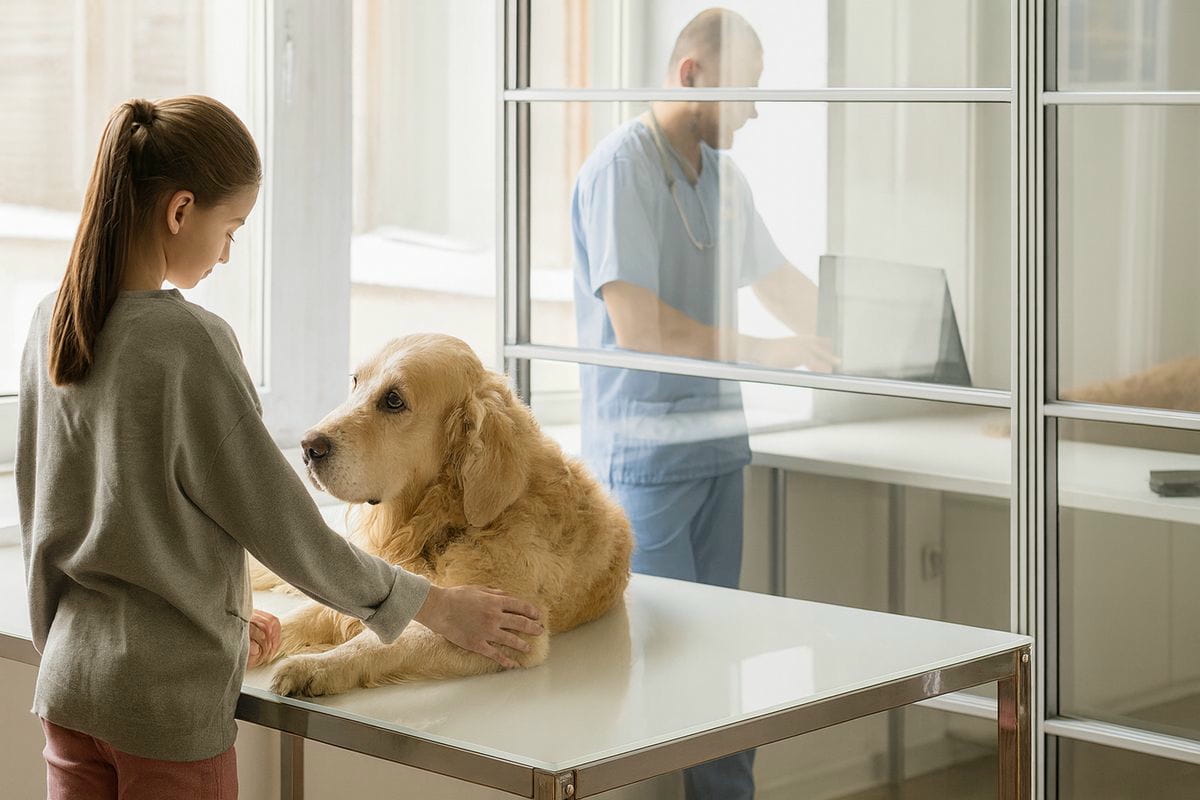
Normally, euthanasia takes place at the veterinary practice in a treatment room. If you need support, be sure to bring a friend or family member with you to the appointment. Some veterinarians also offer to euthanize your pet directly at your home. This reduces stress for the animal, as it can remain in its familiar environment. Inquire with your veterinary practice about this possibility if it is an option you prefer.
However, there are situations where the animal's suffering is so great that it is not in its best interest to wait until the scheduled appointment with the treating veterinarian. In this case, it is better to seek emergency services that can help you relieve the animal of its suffering at any time of day or night.
First, the veterinarian will inject an overdose of an anesthetic either into the muscle or into a vein. At this moment, your pet will feel a small needle prick, which may cause it to make a brief sound of pain. Then the injection takes effect and the animal feels nothing more. Unconsciousness occurs within seconds or minutes, depending on the type of injection. An animal losing consciousness will keep its eyes wide open. It may also have slight muscle twitches.
When the cat or dog is completely unconscious and feels nothing, the veterinarian injects the second agent: the euthanasia solution. Most veterinarians use a solution containing pentobarbital, a powerful sedative. Just like the anesthetic, this solution also causes unconsciousness, then the body shuts down and the heart stops. The procedure is completely pain-free. Death usually occurs within seconds to minutes, depending on the animal's cardiovascular health or general condition. The veterinarian will confirm your pet's death by listening to its heart with a stethoscope. Afterwards, you will probably be offered the opportunity to be alone with your pet for a while to say goodbye.
As with natural death, your pet's eyes may remain open and it may appear to make involuntary breathing or muscle movements. These are not signs of life, but reflexes indicating that death has occurred. If it is in your arms, you may feel it relax again, and it appears to be sleeping deeply.
The vast majority of euthanasias proceed very peacefully and quickly, without much stress for the animal.
Should you stay with your pet during euthanasia?
Euthanasia is usually performed calmly so that your pet remains serene. The goal is to gently and painlessly release them from life. Animals do not have an awareness of death or fear of death like humans do. They trust us and remain calm and serene in our presence until the very end. However, what they do feel is our deep sadness because we know they are going to die... The most important thing during euthanasia is therefore that if you feel able to, you use the last moments to support your pet with love and affection. This way, they feel safe and secure until the end.
The decision of whether or not to stay during euthanasia is entirely yours. It may comfort you to know that euthanasia is a quick and painless process and your pet will pass peacefully. Try not to feel guilty if you don't feel able to be present at this moment. Because if your despair is too great, it could upset and stress your pet. Veterinarians and veterinary assistants chose their profession because they want to help animals and love them very much. So you can be sure that they will treat your pet with a great deal of care and affection until the very end, even if you are not there.
What happens after euthanasia?
It is understandable that you will be emotionally distraught after the event, so it can be helpful to discuss the next steps beforehand.
Most people opt for cremation, organized by the veterinarian. This is usually a communal cremation, but you can also request an individual cremation if you wish to receive your pet's ashes. Veterinarians have contact details for pet cemeteries. You can also bury an urn with your pet's ashes in your own garden.
If you are undecided
about the next steps, veterinarians can usually store the animal's body for a few days until you have made a decision.
Do not hesitate to ask the practice team if you wish to keep a tuft of hair or hold a ceremony, such as a prayer – veterinarians are accustomed to such requests and will be understanding.
How to deal with grief?
Many people worry about how they will behave during euthanasia. Be aware that absolutely no behavior is judged in this moment. It is perfectly natural to feel overwhelmed when your pet dies, and to lose control of your emotions. Most veterinarians have been in your shoes and have lost a beloved pet themselves in their past. They therefore know how you feel. Crying is allowed, and you don't have to apologize for it. It is also allowed to laugh when you remember the wonderful moments you spent with your pet.
Regardless of how old your pet was at the time of its death, it is important to know that your love and care made its life better.
In any case, it takes time to get over the loss of a beloved animal, and although reactions vary, there is often a sequence of different feelings such as sadness, loneliness, and anger.
Some people wonder if they actually made the right decision. In any case, try not to feel guilty and don't blame yourself – the decision to euthanize was made solely in your pet's best interest to spare it pain. It is normal to have doubts, and these will diminish over time.
Grief is a very personal experience, and depending on the situation and individual, the grieving period can last several months or longer. It is important to cherish the memories of your pet and to talk about them with relatives who support you or who have also experienced such a situation.
While it can be tempting to immediately adopt another animal to fill the void, our experience suggests that you should only embark on a new adoption when you are emotionally ready for it.
How to deal with other pets in the household?
The other animals in the household, especially those who had a very close relationship with the deceased animal, may notice and react to the animal's disappearance. It is possible that they will be unsettled and lose their appetite and joy of life for a few days. Sometimes it can help them understand what happened if they see the body of their deceased friend. It can therefore make sense to show them the deceased animal after euthanasia.
Above all, we recommend giving the remaining animals a lot of extra attention now to provide them with some comfort. Otherwise, time will heal the wounds.
In rare cases, an animal may struggle to cope with the loss of its companion. Then we are tempted to give it a new friend. However, this can be a double-edged sword. Some will be very happy about a new companion, others prefer to remain alone. The reaction is difficult to predict, especially if the remaining animal is already older. A spontaneous acquisition of a new pet should definitely be avoided.
Unfortunately, the lifespan of our four-legged friends is limited. Even if they are very ill, it is understandable that we do not want them to leave us. However, it is important and part of our duty as pet owners to plan the end of our pet's life under the best possible conditions. By putting our pet's well-being above our own need, the decision to say goodbye is a final sign of love that we can give our animals.

Set ipet.ch as a preferred source on Google
Never miss a tip: Set ipet.ch as a preferred source in your Google account so that our veterinary advice and pet care guides appear higher up in your search results. Optional and can be undone at any time.
Set as preferred source →Useful information at a glance
How do I recognize if my pet is in pain?
Animals rarely show pain through whimpering or howling. Common signs include changes in behavior, loss of appetite, reluctance to play or move, decreased stamina during walks, restlessness, excessive panting or rapid breathing, a tendency to hide, and unexplained aggression. Always discuss your pet's symptoms with your veterinarian, as other issues can also cause these symptoms.
When should I make the decision to euthanize my pet?
The decision to euthanize a pet is very difficult. It is important to assess your pet's quality of life and discuss it with your veterinarian. If your pet is suffering from chronic pain or there is no prospect of recovery, euthanasia may be in the animal's best interest. Use objective criteria to evaluate quality of life and involve your family in the decision.
How do I prepare for my pet's euthanasia?
Take time to say goodbye to your pet. Spend one last beautiful day with them and spoil them with their favorite food and cuddles. If you have children, talk to them honestly about what is happening and support them during this time. Rituals such as a burial or creating a memorial album can help with grief processing.
How does euthanasia proceed?
Euthanasia is usually performed at the veterinary clinic. First, an anesthetic is injected, which renders your pet unconscious. Afterwards, the euthanasia solution is administered, which stops the heart. The procedure is painless and quick. You can decide whether you wish to stay or not. Your veterinarian will guide you through the process.
How do I cope with grief?
Grief is a very personal experience and can last several months or longer. Talk to loved ones who support you and cherish the memories of your pet. Try not to feel guilty, as the decision for euthanasia was made in your pet's best interest. Take your time before adopting a new pet, and make sure you are emotionally ready for it.