
 EN
EN  DE
DE  FR
FR Why Pet Insurance for Your Dog or Cat Makes Sense
-
 By
med. vet. Bianca Michoud-Valente
By
med. vet. Bianca Michoud-Valente - Oct 14, 2024
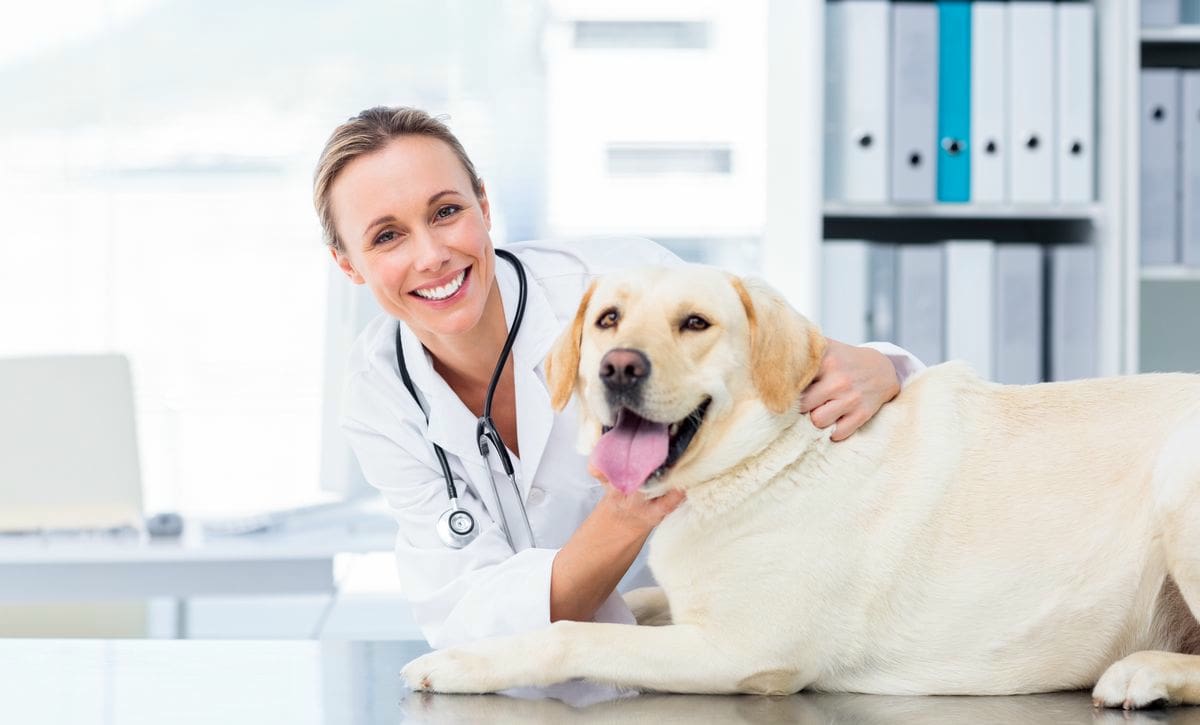
The utility of pet insurance is often underestimated, even though it offers numerous Benefits. Given the continuously rising veterinary costs, such insurance can help protect your beloved pet from unexpected health problems while minimizing the financial burden. An accident can happen quickly, and an animal can fall ill at any time. A well-chosen insurance policy can offer security and financial protection in such cases. Learn here why insuring your dog or cat is a wise decision.
Benefits of Pet Insurance
In Switzerland, pet insurance is gaining increasing popularity. In many countries, such as Great Britain and Sweden, it is already firmly established and has proven its effectiveness. Given the rising veterinary costs, insurance allows pet owners to face the costs of their animal's healthcare with greater peace of mind. Depending on the insurance model, it covers both preventive treatments and emergency operations, thereby enabling you to protect yourself from unforeseen and high expenses.
How much does veterinary care for dogs and cats cost in Switzerland?
The costs for veterinary care for dogs and cats in Switzerland are steadily increasing. This is due to both the advancement of technologies in veterinary medicine and the high quality standards of the veterinary services offered. Even routine treatments, which are essential for the health of our pets, can incur significant costs.
Examples of Routine Treatments
| Treatment | Costs |
| Dental cleaning/restoration |
300 – 900 CHF |
| Spaying female dog |
500 – >1'000 CHF |
| Senior check-up with blood test |
150 – 450 CHF |
Emergency treatments or therapies related to unforeseen illnesses can also quickly lead to substantial costs.
Examples of Accident or Illness Costs
| Treatment | Costs |
| Cat bone fracture |
1'500 – 3'500 CHF |
| Dog cruciate ligament tear |
3'000 – 5'500 CHF |
| Acute diarrhea with inpatient treatment at the clinic |
600 – 2'000 CHF |
| Feline urinary tract obstruction |
1'000 – 2'500 CHF |
The treatment of chronic illnesses, which require regular examinations and treatments, can also quickly incur costs of several thousand Swiss francs that must be borne over several years.
Examples of Chronic Illnesses
| Illness | Annual Costs |
| Chronic Renal insufficiency: for examinations, blood tests, medication, special food |
2'000 – 3'000 CHF |
| Allergy: for examinations, allergy tests, medication, special food, local treatments |
1'000 – 3'000 CHF |
By taking out insurance, you can prevent these unforeseen expenses and ensure that your pet receives the necessary care without it becoming a financial burden for you.
Why not just save money monthly?
Many pet owners think it's enough to put aside some money each month to be prepared for unforeseen veterinary costs. However, it's impossible to predict when and to what extent health problems will arise. A severe accident or a complex operation can unexpectedly cause high costs even for a young animal, far exceeding what most pet owners are able to save in the short term. Furthermore, some chronic illnesses require long-term expensive treatments that quickly deplete accumulated savings. Pet insurance helps you manage these unpredictable costs without dipping into your savings.
When is the optimal time to take out insurance?
It's often thought that as long as the animal is young and healthy, pet insurance makes no sense. However, this is a misconception!
There are several good reasons to take out pet insurance as early as possible, ideally when your pet is still a puppy or kitten.
Young animals are often curious and boisterous, making them more susceptible to accidents and injuries. A simple fall can lead to a bone fracture or a cruciate ligament tear, injuries that are expensive to treat. Diarrhea is also very common in young animals with a still sensitive digestive system. Therefore, early protection against unforeseen events is sensible.
Many pet insurance policies cover preventive measures such as vaccinations, deworming, and regular health checks. These preventive treatments are crucial to prevent serious health problems later in life.
Insurance companies can exclude animals with pre-existing conditions from coverage. If you insure your pet at a young age, before any health problems are detected, the risk that future treatments will not be covered due to pre-existing conditions is reduced.
Insurance premiums for young, healthy animals are generally lower. Some insurance providers, such as the Calingo pet insurance offered by iPet, offer fixed premiums for the entire lifespan of the animal. Early coverage therefore not only protects your pet but also saves money in the long run.
Which is the right insurance for my dog or cat?
Choosing the right insurance for your dog or cat is crucial to ensure coverage tailored to your pet's specific needs. Depending on the insurance, the annual premium can vary greatly. But not only prices, but also benefits, the maximum claim amount, and the deductible vary. Carefully compare the offers from different insurance providers and check whether the desired risks are covered and which services are excluded.
Clarify the following questions:
-
What does the insurance cover?
Does it cover preventive check-ups, vaccinations, and dental treatments in addition to accident and illness costs? -
Are certain treatments or illnesses excluded from coverage?
Some insurance policies exclude certain hereditary diseases for specific breeds from coverage. In some cases, alternative treatment methods such as physiotherapy or osteopathy, or the treatment of behavioral disorders, are also excluded. -
Is there an age limit?
Find out if it's possible to take out insurance for older animals and if the insurance conditions for older animals are different. -
How do pre-existing conditions affect coverage?
Some insurers exclude costs related to pre-existing conditions from coverage. -
Up to what amount are costs covered?
Clarify what percentage of the respective costs are covered and what the maximum claim amounts per year are. -
How high is the deductible?
Compare the amount you have to pay yourself annually before the insurance covers the costs. -
How does the premium behave with increasing age?
Clarify whether the premium remains the same or increases as your pet gets older. -
Is there a waiting period?
Many insurance policies have a waiting period (a so-called grace period) before certain benefits are covered after taking out the insurance. Clarify how long these periods are, especially if urgent treatments are pending. -
How does the reimbursement process work?
Find out how the reimbursement process works. A simple process saves you administrative hassle and ensures that veterinary bills are reimbursed reliably and quickly. -
How do other customers rate the insurance?
Research reviews and experiences of other customers with the insurance. Good customer service and a reliable cost coverage are crucial points here.
How do pet insurance policies usually work?
Pet insurance works similarly to health insurance for humans, covering examinations and treatments for medical conditions that have arisen as a result of an animal's illness or accident. You protect yourself against unpredictable situations and can look to the future with peace of mind.
When you take out insurance for your dog or cat, you pay a monthly or annual premium depending on the chosen tariff.
In the event of illness, accident, or even for preventive treatments, the insurance covers part or all of the veterinary costs, depending on the level of coverage and deductible you choose.
The process is usually as follows: After you have settled the costs with your veterinarian, you submit the invoices to the insurance company, which reimburses you for the costs according to the contract terms.
When choosing insurance, make sure that the insurer offers a fast and uncomplicated reimbursement process. This is a basic prerequisite for efficient reimbursement, so you don't have to wait months for your money.
Conclusion
In summary, insurance for your dog or cat is a sensible solution to manage unforeseen events while ensuring that your pet receives the care it deserves.
iPet has therefore decided, in cooperation with Calingo, to offer pet insurance that provides the following Benefits:
-
Comprehensive Benefits: Cost coverage for accidents and illnesses, for preventive treatments (e.g., vaccination, spaying/neutering, annual check-up), and for complementary medical treatments.
-
Constant Premium: The premium does not increase with age
-
No age or breed restrictions
-
Coverage of costs for pre-existing conditions
-
Suitable Protection: Various insurance models make it possible to individually insure the appropriate protection for your own pet.
-
Simple processing of the reimbursement process
| Learn more about iPet pet insurance here |

Set ipet.ch as a preferred source on Google
Never miss a tip: Set ipet.ch as a preferred source in your Google account so that our veterinary advice and pet care guides appear higher up in your search results. Optional and can be undone at any time.
Set as preferred source →Useful information at a glance
Why is pet insurance for my dog or cat sensible?
Pet insurance offers financial protection against unexpected veterinary costs that can arise from accidents or illnesses. Given the rising costs in veterinary medicine, insurance helps minimize the financial burden and ensures your pet receives the necessary care.
How much does veterinary care for dogs and cats cost in Switzerland?
The costs for veterinary treatments in Switzerland can be significant. Routine treatments such as dental cleanings or castrations cost several hundred Swiss francs, while emergency treatments like bone fractures or cruciate ligament tears can cost up to several thousand Swiss francs. Pet insurance can help cover these costs.
Why not simply save money monthly instead of taking out insurance?
Although saving money is an option, the costs for unexpected veterinary visits are often higher than what can be saved in the short term. Insurance offers immediate protection and covers high costs that can arise from accidents or chronic illnesses.
When is the best time to take out pet insurance?
It is advisable to take out pet insurance as early as possible, ideally during puppy or kitten age. Young animals are more prone to accidents, and by taking out a policy early, you can ensure that pre-existing conditions are not excluded from coverage.
How do I choose the right insurance for my dog or cat?
Compare the offers from different insurance providers and pay attention to the covered services, the maximum claim amount, and the deductible. Check whether preventative examinations and vaccinations are covered and if there are exclusions for certain treatments. Also, pay attention to the premium amount and whether it increases with the animal's age.