
 EN
EN  DE
DE  FR
FR Heatstroke in Dogs: An Underestimated Emergency
-
 By
med. vet. Bianca Michoud-Valente
By
med. vet. Bianca Michoud-Valente - Jun 25, 2026
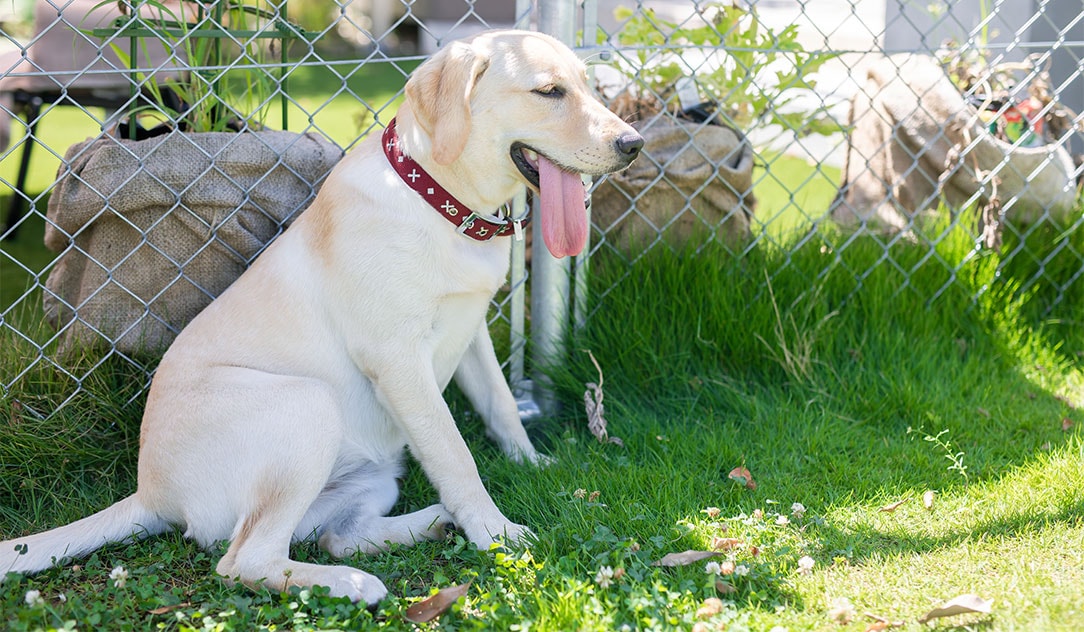
Every summer, numerous dogs suffer from heatstroke. Unlike us humans, they can hardly regulate their body temperature by sweating. Instead, they rely almost exclusively on panting to release excess heat. If this mechanism is no longer sufficient, their body temperature rises dangerously within a very short time – often with life-threatening consequences. Heatstroke is always a veterinary emergency! Fortunately, most cases can be prevented with simple precautions. Find out here which dogs are particularly at risk, how to recognize early warning signs in time, and what to do immediately in an emergency.
Why are dogs so sensitive to heat?
Unlike us humans, dogs have almost no sweat glands. They regulate their body heat primarily through:
- panting
- slightly through their paws
- blood vessel dilation (vasodilation) in the ears and skin.
At high outside temperatures or high humidity, these mechanisms quickly reach their limits. The body temperature can then rise to over 41 °C, leading to irreversible damage to the brain, heart, kidneys, and liver.
Which dogs are particularly at risk?
In principle, it can affect any dog, but some face a particularly high risk:
- Short-nosed (brachycephalic) breeds: e.g., French Bulldog, Pug, Boxer
- Puppies and senior dogs
- Overweight dogs
- Dogs with heart or respiratory diseases
- Dogs with very thick coats
- Dogs engaging in intense physical activity
The most common causes & myths
| Risk situation | The most common Myth | The Reality |
|---|---|---|
| Dog left in a car or closed room | "It's no problem. I’ll just leave the car for five minutes." | False. In just a few minutes, the temperature inside a vehicle can rise to over 50 °C. |
| Walking during the hottest hours / intense activity | "It's no problem. My dog is used to the heat." | False. Even a dog living in a hot climate can suffer a heatstroke.. |
| No shade, poor ventilation | "If he drinks a lot, there's no danger." | False. While water helps, it is not enough if the dog can no longer release its body heat into the surrounding air. |
Important Note: Contrary to popular belief, heatstroke can occur at temperatures as low as 20–25 °C if the sun is strong or the dog is exerting itself! An emergency can also arise if a dog is left in a car for just a few minutes – even at supposedly moderate outside temperatures.
The signs of heatstroke
| Early Signs (Warning) | Advanced Signs (Life-Threatening) |
|---|---|
|
|
What to do immediately in an emergency?
Heatstroke is an absolute veterinary emergency! Until you reach the veterinary clinic, please follow these instructions immediately:
✓ DO IMMEDIATELY
- Stop all physical activity unconditionally.
- Move the dog into the shade or an air-conditioned room right away.
- Gradually wet the body with cool (not ice-cold!) water, paying special attention to the belly and paw pads.
- If possible, use a fan – but do not direct the airflow straight into the dog's eyes.
- Offer small amounts of fresh water without forcing the dog to drink.
- Contact your vet immediately.
✘ NEVER DO
- Abruptly plunge the dog into ice-cold water.
- Place ice packs or cooling pads directly on the body.
- Cover the dog with a wet towel and leave it on them (the towel warms up quickly and creates a dangerous greenhouse effect).
- Wait to see if the symptoms disappear on their own.
Even if the dog seems to be doing better after the initial cooling, a veterinary examination is absolutely necessary. Life-threatening internal complications can still occur several hours after the incident.
How to prevent heatstroke?
Prevention is the best protection. Pay attention to the following rules during summer:
- Walk your dog only early in the morning or late in the evening.
- Always provide fresh water and ensure there are shady retreats.
- Avoid intense exertion and take it easy on puppies, seniors, and at-risk breeds.
- Never leave your dog alone in the car – not even with the windows cracked open!
- Beware of hot asphalt: It can severely burn the paw pads. Opt for walks on grass or in the woods.
Our practical tips
Can you walk your dog when it's 30 °C?
It is strongly advised against walking your dog during the hottest hours of the day when the thermometer hits 30 °C. Limit yourself to very short potty breaks in the shade and on grass.
It is strongly advised against walking your dog during the hottest hours of the day when the thermometer hits 30 °C. Limit yourself to very short potty breaks in the shade and on grass.
How do I know if the ground is too hot for their paws?
Place the back of your hand on the asphalt for at least 7 seconds. If it's too hot for you, it's definitely way too hot for your dog's paws! Tarmac can cause severe burns.
Place the back of your hand on the asphalt for at least 7 seconds. If it's too hot for you, it's definitely way too hot for your dog's paws! Tarmac can cause severe burns.
Essential accessories for well-being:
To make everyday life easier for your dog in extreme heat – whether at home, in the car, or on the go – you can use aids like cooling mats, cooling vests, portable water bottles, a suitable dog pool, or fans and air conditioning.
To make everyday life easier for your dog in extreme heat – whether at home, in the car, or on the go – you can use aids like cooling mats, cooling vests, portable water bottles, a suitable dog pool, or fans and air conditioning.
In Summary
Heatstroke is a potentially fatal but largely preventable emergency. By limiting exertion during heatwaves, ensuring adequate hydration, and providing your dog with a cool, shady environment, you significantly reduce the risk. If you notice excessive panting, weakness, or loss of balance, seek veterinary care immediately: Fast action can save your companion's life.

Set ipet.ch as a preferred source on Google
Never miss a tip: Set ipet.ch as a preferred source in your Google account so that our veterinary advice and pet care guides appear higher up in your search results. Optional and can be undone at any time.
Set as preferred source →Useful information at a glance
What are the signs of heat stroke in dogs?
Common signs include excessive panting, heavy drooling, a bright red tongue, weakness, vomiting, unsteady walking and lethargy. In severe cases, dogs may collapse, have seizures or lose consciousness. Heat stroke is always a veterinary emergency.
What should I do if my dog has heat stroke?
Move your dog immediately to a cool, shaded area, cool them gradually with cool (not ice-cold) water, offer small amounts of fresh water if they are able to drink, and contact your veterinarian immediately. Even if your dog seems to recover, a veterinary examination is essential.
Can I leave my dog in the car for a few minutes?
No. Even on a mild day, the temperature inside a parked car can rise dangerously within minutes. Leaving a dog in a vehicle can quickly lead to life-threatening heat stroke.
Which dogs are most at risk of heat stroke?
Brachycephalic breeds (such as French Bulldogs, Pugs and Boxers), puppies, senior dogs, overweight dogs and dogs with heart or respiratory diseases are particularly vulnerable to overheating.
How can I prevent heat stroke in my dog?
Walk your dog early in the morning or late in the evening, always provide fresh water and shade, avoid strenuous exercise during the hottest hours of the day, and never leave your dog in a parked car. Cooling mats, cooling vests and portable water bottles can also help.
At what temperature is it too hot for a dog?
There is no exact temperature, as humidity, direct sunlight, exercise and the dog's health all play a role. Heat stroke can occur even at temperatures around 20–25°C (68–77°F), especially during physical activity or inside a parked car.
Should I cool my dog with ice water?
No. Ice-cold water can cause blood vessels to constrict and reduce the body's ability to release heat. Instead, cool your dog gradually with cool water while seeking immediate veterinary care.