
 EN
EN  DE
DE  FR
FR Inappropriate Urination in Cats: Causes and Prevention
-
 By
Dr. med. vet. Sabina Büttner
By
Dr. med. vet. Sabina Büttner - Jun 15, 2019
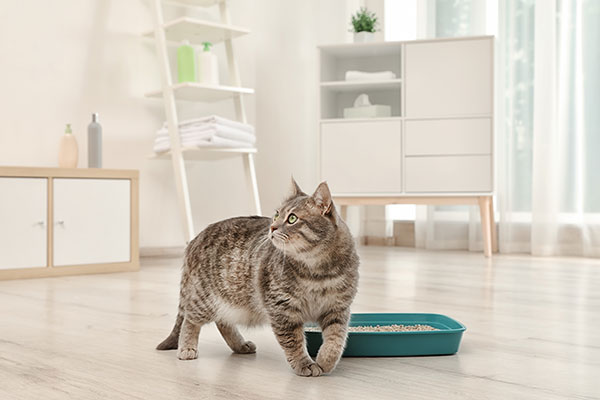
Many cat owners know the problem: suddenly the cat starts soiling and urinates outside the litter box. Here you will learn about possible causes and the most important preventive measures.
Rule out diseases as a reason for soiling
If a cat, which has always used its litter box diligently, suddenly starts soiling, diseases of the lower urinary tract, such as urinary stones or bladder infections, but also pain, can be the reason for the soiling. Therefore, such organic causes must always be ruled out by a veterinarian first!
Is it marking?
To get to the bottom of the soiling, it is important to distinguish between normal urination and marking.
The most important characteristics of urine marking are:
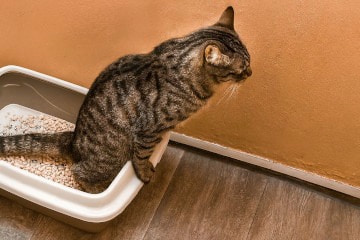
- The cat sprays small amounts of urine onto vertical objects in an upright posture with its tail held high
- The amount of urine deposited is small
- Marking often occurs on walls, door frames, furniture, or new household items
- Cats that mark usually continue to use the litter box for normal urination
Urine marking is a normal cat behavior and serves to delineate territory. Unneutered male cats mark most frequently, but neutered male and female cats also occasionally exhibit this behavior. If it occurs frequently, it can be a sign of stress and anxiety, which can be caused, for example, by changes in the household or by territorial disputes among cats.
Urinating outside the litter box
If the cat does not use the litter box for normal urination, it usually chooses other places where the urine can be absorbed or buried by it, e.g., beds or clothes. Here it is worthwhile to examine the litter box situation more closely. Has the location perhaps been changed, or has a new cat litter been used? Is the litter box cleaned regularly?
Some tips for the litter box:
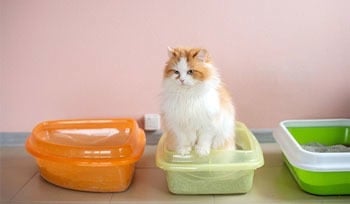
- Number of litter boxes: Especially for indoor cats, but also for outdoor cats with a soiling problem, there should always be at least one more litter box than cats. (Number of litter boxes = Number of cats + 1)
- Type of litter box: most cats prefer a large, open litter box. Therefore, in cases of soiling, enclosed litter boxes should be avoided
- Location: the litter boxes must always be freely accessible. They should be placed in a quiet, yet not too secluded location, and not near food or sleeping areas. If multiple litter boxes are offered, they should not be in the same room.
- Cat litter: Cats generally prefer soft and relatively fine-grained Litter. However, there are individual preferences that should be tested. Especially for sensitive cats, the transition to a new cat litter should always be gradual, by mixing a little more of the new Litter with the old one daily.
- Cleanliness: a litter box should be kept constantly clean. Feces and urine clumps must be removed twice daily, and the entire litter box should be cleaned once a week.
My cat pees out of protest!
Often, owners misinterpret their cat's behavior. If your cat urinates on the bed when you have visitors, your cat is not angry but frightened by the noise and unfamiliar people. If it pees in the open suitcase packed with clothes, ready for travel, it doesn't want to punish you because it can't come along, but rather it is stressed by your unusual behavior. Therefore, never punish your cat if it exhibits soiling behavior!
Soiling as a sign of stress and discomfort
If the conditions in and around the litter box seem optimal and organic causes for the soiling have been ruled out, then a comprehensive investigation of the cat's living conditions should be carried out. The goal is to find out why the cat is not feeling well. Pheromone preparations like Feliway can help prevent stress-related urination outside the litter box, and often small changes in how you interact with your cat, such as offering food in puzzle feeders or creating enough retreat options, are sufficient to quickly solve the problem. However, it can take a long time to find the exact cause of the problem. In this case, you can get help with the clarification from your veterinary practice or from a veterinarian specializing in behavioral therapy (Addresses of certified veterinary behaviorists in Switzerland).
Sources: www.schroll.at / www.stvv.ch

Set ipet.ch as a preferred source on Google
Never miss a tip: Set ipet.ch as a preferred source in your Google account so that our veterinary advice and pet care guides appear higher up in your search results. Optional and can be undone at any time.
Set as preferred source →Useful information at a glance
What are the most common causes of inappropriate urination in cats?
Inappropriate urination in cats can have various causes. Diseases of the lower urinary tract, such as urinary stones or bladder infections, are often responsible. Pain or stress can also lead to a cat urinating inappropriately. It is important to always rule out organic causes first with a veterinarian.
How do I distinguish between normal urination and marking?
When marking, the cat sprays small amounts of urine onto vertical objects in an upright posture with its tail held high. The amount of urine is small, and marking often occurs on walls, door frames, or furniture. Cats that mark usually continue to use the litter box for normal urination.
What measures can I take if my cat urinates outside the litter box?
Check the litter box situation: Has the location been changed or a new cat litter used? Is the box cleaned regularly? Ensure that enough litter boxes are available (number of cats + 1) and that they are in a quiet but accessible location. Make sure the cat litter matches your cat's preferences.
Can my cat urinate inappropriately out of protest?
Cats do not exhibit inappropriate urination out of protest. For example, if your cat urinates on the bed when you have visitors, it is likely frightened by the noise and unfamiliar people. Do not punish your cat; instead, try to minimize the stressors.
What can I do if my cat's inappropriate urination is stress-related?
If stress is the cause of inappropriate urination, pheromone preparations like Feliway can help. Even small changes in how you interact with your cat, such as offering food in puzzle feeders or creating retreat options, can solve the problem. For persistent problems, you should contact your veterinary practice or a specialized behavioral therapist.