
 EN
EN  DE
DE  FR
FR Idiopathic Cystitis in Cats – Understanding and Managing It Correctly
-
 By
med. vet. Bianca Michoud-Valente
By
med. vet. Bianca Michoud-Valente - Jun 5, 2025
Cystitis is a common health problem in cats, often associated with pain and discomfort – it can significantly impair their quality of life. Among the various forms of cystitis, Idiopathic Cystitis is the most common and presents a particular challenge for pet owners and veterinarians due to its diverse causes. Understanding its symptoms, risk factors, diagnosis, treatment, and prevention is crucial to ensure the well-being of our four-legged companions.
What is Idiopathic Cystitis in Cats?
Idiopathic Cystitis (FIC – Feline Idiopathic Cystitis) is an inflammation of the urinary bladder without a clearly identifiable cause – even after thorough examination. The term "idiopathic" means that no clear cause can be determined, in contrast to cystitis caused by infections, urinary stones, or tumors. This form accounts for over half of all lower urinary tract diseases in cats, especially in young to middle-aged indoor cats exposed to stress factors.
The most widely accepted theory today points to chronic stress, as well as neurological and hormonal imbalances, as triggers. The bladder wall becomes more permeable and inflamed. A change in the production of Glycosaminoglycans (GAGs), which normally protect the bladder wall, could also contribute to the weakening of this barrier.
What are the Symptoms of Cystitis?
Idiopathic Cystitis can manifest through various, but typical, signs:
- Frequent urination in small amounts (pollakiuria)
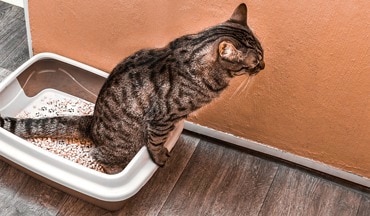
- Difficulty urinating (dysuria): frequent visits to the litter box, only a few drops of urine
- Painful urination (stranguria), often accompanied by meowing or a tense posture
- Blood in the urine (hematuria): pink or reddish urine
- Excessive licking of the genital area
- Inappropriate urination: urinating outside the litter box, in unusual places
- Behavioral changes: withdrawal, restlessness, loss of appetite, or apathy
Attention: In male cats, Idiopathic Cystitis can lead to urethral obstruction – an acute emergency! If your cat can no longer urinate or constantly tries unsuccessfully to go to the litter box, a veterinarian must be consulted immediately.
What are the Risk Factors?
Several triggers are known to promote the development of Idiopathic Cystitis:
- Gender: Neutered male cats are particularly at risk
- Lifestyle: Exclusive indoor living, lack of exercise
- Obesity
- Stress: Boredom, moving house, new animals/people in the household, changes in routine
- Diet: Dry food-heavy diet with low water intake
- Multi-cat households: If there are too few resources (litter boxes, food bowls, hiding spots), the stress level increases
How is Idiopathic Cystitis Diagnosed?
Diagnosis is made through a thorough veterinary examination, which may include the following methods:
- General health check and palpation of the bladder
- Ultrasound to assess the bladder wall and rule out stones or tumors
- Urinalysis (for blood, crystals, bacteria, inflammatory cells)
- If necessary, X-rays or blood test to rule out other causes
Idiopathic Cystitis is a diagnosis of exclusion – it is made when other causes have been ruled out.
How is Idiopathic Cystitis Treated?
Treatment must be individualized and is based on several complementary aspects:
- Medication (prescribed by the veterinarian)
Anti-inflammatory and pain medication
Medication to relax the urethral sphincter
No antibiotics without a proven infection – most FIC cases are sterile - Increasing Water Intake
Prefer or offer more wet food (approx. 80% water content)
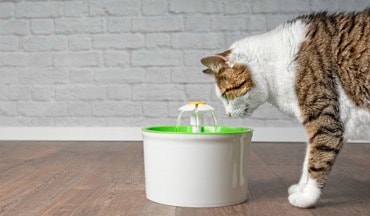
Provide several drinking stations in the home
A fountain can increase the drinking stimulus
Clean bowls daily and refresh water regularly - Stress Management
Create a varied environment: climbing and hiding spots, toys, cat scratchers, outdoor access (if possible)
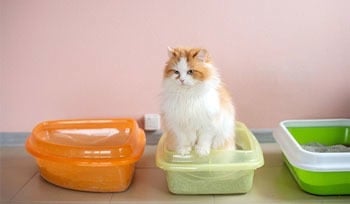
Several litter boxes (at least 1 per cat + 1 extra), quiet locations, open litter boxes with fine litter
Use of pheromones (e.g., Feliway) or calming food supplements (e.g., Zylkène, Anxitane)
In cases of relapse or severe stress, your veterinarian may temporarily prescribe an anxiolytic treatment. - Specialized Diet
In cases of relapse or for at-risk patients, a special veterinary "Urinary" diet may be recommended to alleviate inflammation, prevent crystal formation, and promote urine dilution.
How Can Idiopathic Cystitis in Cats Be Prevented?
Prevention is based on reducing known risk factors and optimizing the environment:
- Weight Management: Avoid obesity by adjusting the food ration and dividing meals (for "greedy" cats, e.g., 10 small portions per day – automatic feeders for dry food are very helpful for this). In addition, food types specifically tailored for neutered cats should be preferred.
- Promote Water Intake: Offer wet food, provide several drinking stations in the home, and if necessary, use fountains to stimulate drinking behavior.
- Prevent Lack of Exercise: Encourage physical activity through play, exploration, cat exercise wheels, or play and climbing areas.
- Reduce Stress: Enrich the environment, provide enough litter boxes and bowls, create hiding spots and elevated perches. In cases of foreseeable stress (e.g., moving, changes), pheromones and relaxing food supplements can be helpful.
- Prevent Boredom: Offer puzzle feeders instead of exclusively feeding from a bowl. Ensure variety in play and activities.
- Optimize Litter Boxes: Provide a sufficient number of litter boxes, choose open models (or with a hood, but without a door) with fine litter, and place them in quiet locations (see also our article: "How do I choose the best cat litter for my cat?")
- Appropriate Diet: For cats with an increased risk of relapse, a special veterinary "Urinary" diet should be maintained long-term.
- Food Supplements: Your veterinarian may recommend administering a food supplement to your cat, temporarily or long-term, that contains tryptophan (a precursor to serotonin) and Glycosaminoglycans (GAGs). These substances help strengthen the protective barrier of the bladder, reduce inflammation, and alleviate stress, thereby reducing the risk of recurrence of Idiopathic Cystitis.
Conclusion
Idiopathic Cystitis is a complex, multifactorial disease that requires a holistic and individualized approach. Prompt veterinary examination at the first symptoms is crucial, especially in male cats, to avoid more serious complications. Through targeted stress avoidance, an environment adapted to their needs and stimulating, adequate fluid intake, and a healthy body weight, the risk of relapse can be significantly reduced, and your cat's quality of life can be sustainably improved.
Useful information at a glance
1. What does “idiopathic” mean in the context of bladder inflammation?
“Idiopathic” means that no specific cause for the bladder inflammation can be found – despite comprehensive veterinary examinations. This form is particularly common in indoor cats and is often associated with stress or other internal factors.
2. How do I recognize bladder inflammation in my cat?
Typical signs include frequent, painful urination in small amounts, blood in the urine, inappropriate urination (urinating outside the litter box), restlessness, or withdrawal. Male cats are particularly at risk – a urethral obstruction is a veterinary emergency!
3. What are the main causes of idiopathic cystitis?
The exact causes are not known, but risk factors include stress, lack of exercise, a diet rich in dry food, obesity, and an unstimulating environment. Indoor cats and neutered male cats are particularly susceptible.
4. How is idiopathic bladder inflammation treated?
Treatment combines several approaches: pain and inflammation reduction, increased water intake, stress management (e.g., pheromones, play opportunities), and potentially special food. Antibiotics are only necessary if an infection is proven.
5. Can I prevent idiopathic cystitis?
Yes, through a varied and low-stress environment, a water-rich diet (wet food, waterer), sufficient exercise, weight control, and targeted support through food supplements or special diets.