
 EN
EN  DE
DE  FR
FR Success! Maintaining Ideal Weight: How to Prevent the Yo-Yo Effect in Your Dog
-
 By
Dr. med. vet. Sabina Büttner
By
Dr. med. vet. Sabina Büttner - Mar 30, 2026
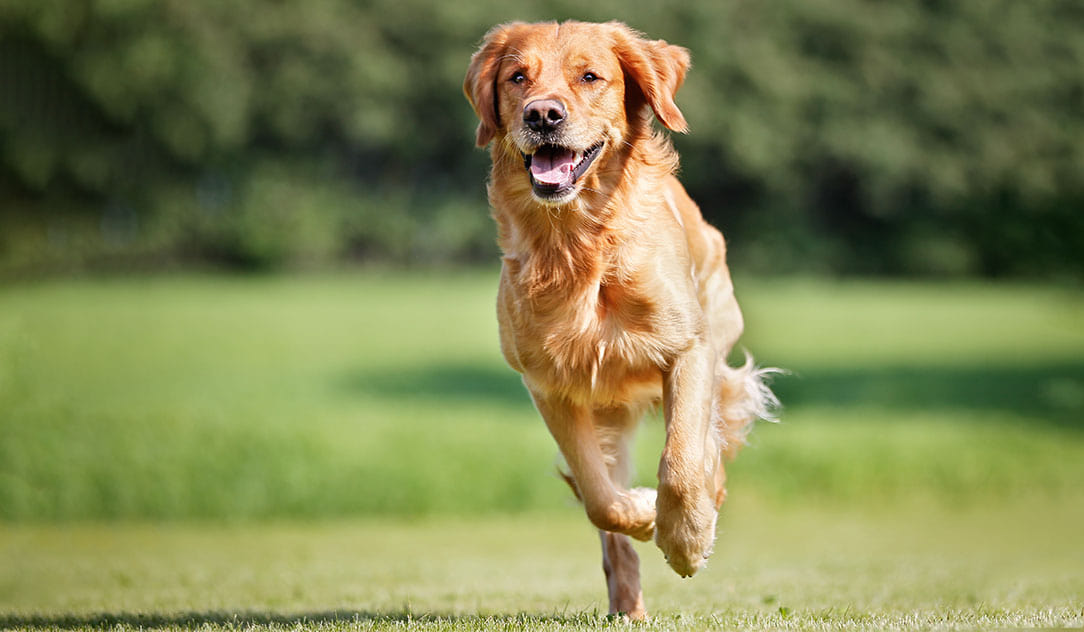
Congratulations! If your dog has reached its ideal weight, you and your four-legged friend have achieved a major milestone for a long and healthy dog life. However, in my veterinary practice, I often see that the real challenge only begins now: maintaining the weight permanently.
To ensure that the hard-lost pounds do not return in a flash, a controlled transition phase is crucial. In this guide, you will learn how to adjust their feeding and what to look out for in everyday life.
Why the post-diet phase is so critical
After a phase of calorie reduction, your dog's metabolism has adapted. It now works more efficiently and consumes less energy at rest than before the diet. If you were to return immediately to the old food amount, rapid weight gain – the classic yo-yo effect – would be inevitable.
Determining individual maintenance requirements
From a medical perspective, it is important to understand that your dog no longer has a "weight-loss" need, but also cannot yet utilize the full calorie amount of a naturally slim dog.
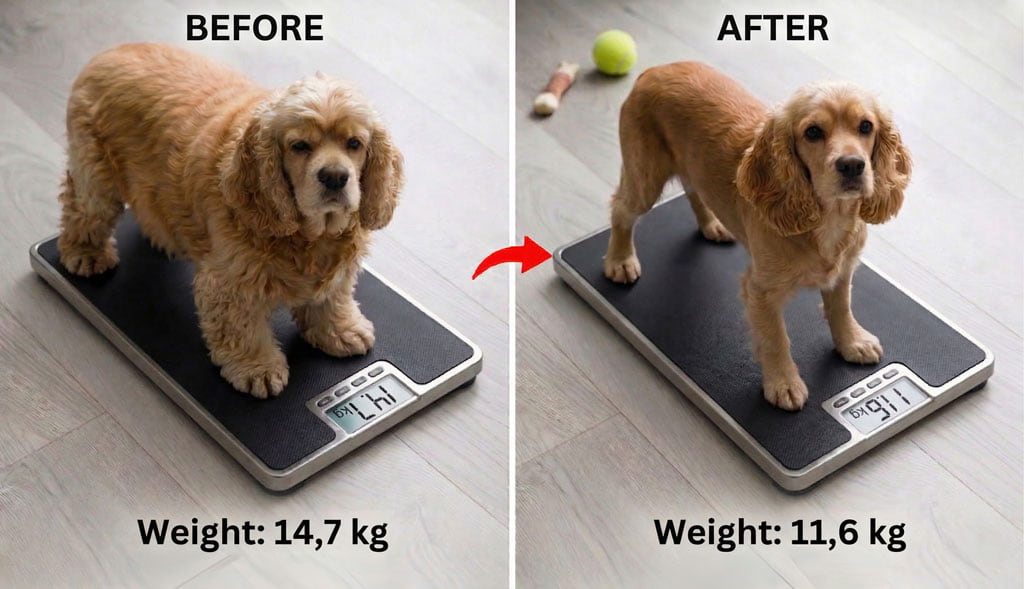
- Gradual increase: Only increase the daily calorie intake very slowly after reaching the target weight (by about 5 to 10% per week).
- Regular weighing: Check the weight weekly for the first two months. This is the only way you can intervene immediately if the curve goes up again.
The right feeding strategy for the maintenance phase
1. From diet food to maintenance food?
Whether you continue to give a special weight management food or switch to a conventional adult food depends on the individual case. Many dogs benefit from permanently staying on a calorie-reduced food with a high crude fiber content, as this promotes satiety without ruining the calorie balance.
2. The underestimated danger: Treats and extras
In my consultations, I constantly emphasize: Every treat counts! If you become more generous with rewards again after the diet, the pounds will sneak back on unnoticed.
- Consistently deduct the calories of treats from the main ration.
- Use healthy alternatives like cucumber chunks or a portion of the daily dry food ration as a reward.
3. Volume without calories
Is your dog constantly hungry? Mix indigestible fibers such as cellulose or steamed, water-rich vegetables (e.g., zucchini) into the food. This fills the stomach without straining the energy balance.
Exercise as the key to success
Muscle mass is the best calorie burner. A dog that has built muscle during the diet maintains its weight much more easily.
- Increase the intensity: Once the weight is down, the joints are under less stress. Use this for longer walks or moderate agility training.
- Mental stimulation: Search games also consume energy and distract the dog from the topic of "food".
Checklist: How to keep your dog slim
| Measure | Frequency | Goal |
|---|---|---|
| Weighing | 1x per week | Early detection of weight fluctuations |
| BCS Check | Daily while petting | Are the ribs still easily palpable? |
| Adjust food amount | Depending on activity | Flexibility with less exercise (e.g., when it rains) |
| Vet check-up | 1-2x per year | Exclusion of metabolic diseases |
The Veterinarian's Conclusion:
Reaching the ideal weight is a marathon, not a sprint. The maintenance phase requires discipline and a watchful eye. If you increase the food amount only moderately, strictly control treats, and ensure sufficient exercise, your dog will permanently benefit from the gained quality of life and agility.
Reaching the ideal weight is a marathon, not a sprint. The maintenance phase requires discipline and a watchful eye. If you increase the food amount only moderately, strictly control treats, and ensure sufficient exercise, your dog will permanently benefit from the gained quality of life and agility.
Important note: If your dog suddenly gains weight or constantly shows extreme hunger despite strict feeding, please have hormonal causes such as an underactive thyroid checked at a veterinary practice.

Set ipet.ch as a preferred source on Google
Never miss a tip: Set ipet.ch as a preferred source in your Google account so that our veterinary advice and pet care guides appear higher up in your search results. Optional and can be undone at any time.
Set as preferred source →Useful information at a glance
How do I prevent my dog from regaining weight after a diet?
Increase calories gradually (5–10% weekly), monitor weight closely, and adjust food based on activity levels.
Should I keep feeding diet food after weight loss?
Often yes. Low-calorie, high-fiber diets help maintain satiety and prevent overeating long-term.
How often should I weigh my dog after a diet?
Once a week for the first two months to quickly detect any weight gain.
Can treats cause weight regain in dogs?
Absolutely. Treat calories must be included in the daily intake to avoid exceeding energy needs.
My dog seems constantly hungry—what can I do?
Add fiber or water-rich vegetables like zucchini to increase food volume without adding calories.
Is exercise necessary to maintain my dog’s weight?
Yes. Muscle mass increases calorie burning and helps stabilize weight over time.