EN
EN  DE
DE  FR
FR Sensitive Stomach in Dogs: What Can You Do?
-
 By
med. vet. Bianca Michoud-Valente
By
med. vet. Bianca Michoud-Valente - Oct 8, 2026
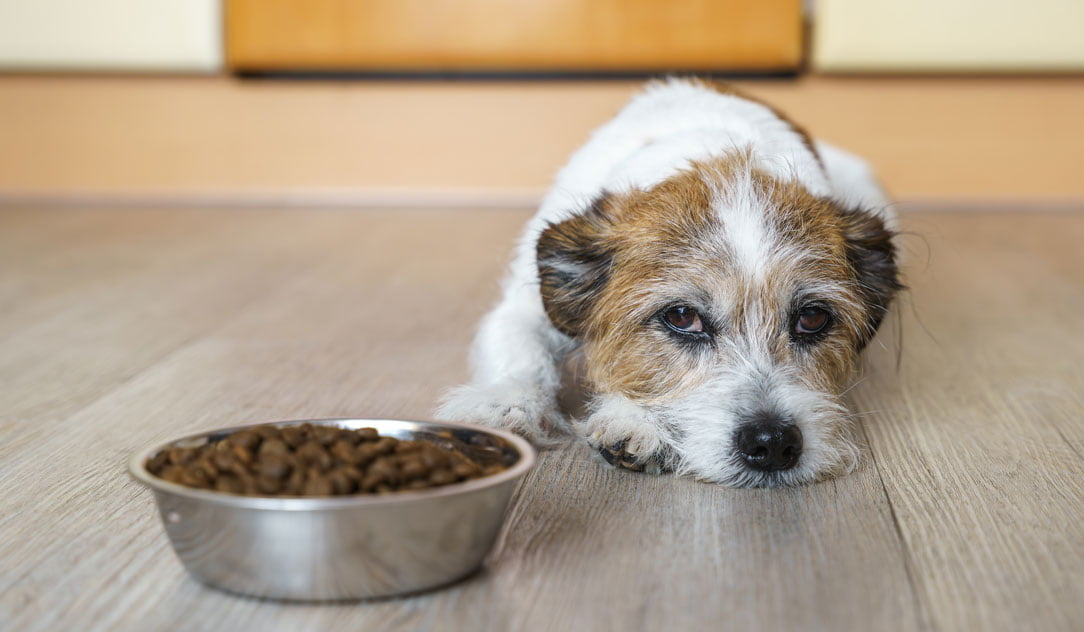
Does your dog occasionally vomit, eat grass, refuse meals or seem nauseous? You may have heard that your dog has a “sensitive stomach”. This term generally describes a dog with occasional or recurring digestive problems. However, a sensitive stomach is not a veterinary diagnosis. These symptoms may be caused by simple digestive irritation, poorly tolerated food or a condition requiring specific treatment.
So how can you recognise the signs of a sensitive stomach in dogs? What are the possible causes, and how can you help your companion?
What are the signs of a sensitive stomach in dogs?
Symptoms vary from dog to dog. The most common include:
- Occasional vomiting, sometimes of yellow fluid (bile), particularly in the morning and/or on an empty stomach.
- Nausea, which may cause repeated lip licking, excessive salivation or frequent swallowing.
- An irregular appetite, with the dog refusing certain meals.
- Repeated grass eating, sometimes followed by vomiting.
- Regurgitation, when undigested food comes back up without noticeable abdominal effort.
- Digestive gurgling, sometimes accompanied by wind.
- Soft stools or intermittent diarrhoea, when the intestines are also affected.
In mild cases, dogs generally remain well between episodes.
Please note: repeated vomiting, even in a dog that otherwise seems healthy, should not be considered normal and warrants a veterinary consultation.
Vomiting or regurgitation: what is the difference?
In veterinary medicine this distinction matters, as vomiting and regurgitation have completely different causes and require different treatments. Repeated regurgitation of food should always be examined by a veterinarian.
The two processes can be easily distinguished using the following points:
| Feature | Vomiting | Regurgitation |
|---|---|---|
| Mechanism | Active effort: Clear heaving or retching is visible, and the abdomen contracts forcefully (abdominal heaving / "pumping"). | Passive process: Food or water comes back up almost effortlessly and without any abdominal contractions. |
| Are there warning signs? | Mostly yes: The dog often shows clear signs of nausea beforehand. Typical signs include lip smacking, frequent swallowing, excessive drooling, or restlessness. | Mostly no: It often happens completely unexpectedly and without any prior signs of nausea. |
| Where does the content come from? | Stomach or upper small intestine: The food has already passed through the esophagus and is often (partially) digested. | Esophagus: The food has usually not yet reached the actual stomach. |
| Appearance and smell of the content | Often partially digested: The food is usually mushy and has a sour smell. | Undigested: The food is still undigested and often tube-shaped (molded by the esophagus). |
| Time of occurrence after eating | Variable: Can happen shortly after eating, but also many hours later (even on an empty stomach). | Often immediate: Usually happens very shortly (minutes) after eating or drinking. However, with certain underlying conditions, it can also occur hours later. |
How does a dog's stomach work?
The stomach temporarily stores food, mixes it with gastric juices and begins digestion before the food passes into the intestine.
These juices are highly acidic, but the stomach has a protective lining covered with mucus and bicarbonate that shields it from its own acid. If this barrier is damaged, the lining may become irritated or inflamed: this is called gastritis.
However, not all vomiting is caused by gastritis. Other digestive disorders or systemic diseases may cause similar symptoms.
Why does my dog have a sensitive stomach?
Several factors can explain digestive problems in dogs:
1. Irritation or acute gastritis
Acute gastritis is inflammation of the stomach that develops suddenly. Possible triggers include:
- Eating rubbish, objects, table scraps or very fatty foods.
- Changing food too quickly.
- Swallowing irritating or toxic substances.
- Certain medicines, particularly anti-inflammatory drugs.
- Certain infections or digestive diseases.
Symptoms may resolve quickly if the cause is minor. However, sudden vomiting can also be caused by a foreign body, pancreatitis or poisoning, all of which require veterinary care.
2. Food intolerance or allergy
Some dogs experience digestive problems related to their diet:
- Food intolerance is an adverse reaction to food that does not necessarily involve the immune system.
- Food allergy, on the other hand, involves an immune response to certain food components, usually proteins.
Both can cause vomiting or diarrhoea. Food allergies may also cause skin symptoms such as itching or recurrent ear infections.
If a food allergy is suspected, diagnosis relies on a strict elimination diet, usually for at least eight weeks, followed by a controlled reintroduction of the original food.
3. Vomiting associated with an empty stomach
Some dogs vomit yellow, sometimes foamy fluid early in the morning or after a long period without food. This may suggest bilious vomiting syndrome, which can involve bile flowing back from the intestine into the stomach, potentially irritating the stomach lining and causing vomiting.
In some dogs, dividing meals and offering a small portion of food before bedtime can reduce these episodes. However, bile in vomit alone is not enough to diagnose bilious vomiting syndrome. If symptoms recur, a veterinary consultation is recommended to rule out other causes.
4. Digestive or systemic disease
Frequent or recurring vomiting can indicate an underlying illness, even if the dog appears healthy between episodes.
Possible causes include:
-
a chronic inflammation of the stomach or intestine,
-
intestinal parasites,
-
a pancreatitis (inflammation of the pancreas),
-
a liver or kidney disease,
-
hormonal conditions, such as Addison's disease (adrenal insufficiency),
-
a digestive foreign body.
Repeated vomiting should therefore not be dismissed as a simple sensitive stomach. A veterinary consultation can help identify the cause and determine whether further tests are needed.
How can you help a dog with a sensitive stomach?
For an otherwise healthy adult dog with mild, recent digestive symptoms, some measures may improve digestive comfort.
1. Divide meals into smaller portions
Very large meals can cause digestive discomfort in some dogs. Conversely, long periods without food may contribute to bilious vomiting in predisposed dogs.
- It may therefore help to divide the daily food allowance into three to four smaller meals, depending on the dog's needs.
- If your dog regularly vomits early in the morning, a small portion of the daily ration before bedtime may help.
- Keep the total daily amount of food unchanged.
2. Choose easily digestible food
Diet plays an important role in managing digestive problems. Food should generally be:
- Highly digestible, to help the body absorb nutrients.
- Appropriate in fat content, especially if fatty foods are poorly tolerated.
- Complete and balanced, to meet all nutritional requirements.
- Well tolerated by the individual dog, as every dog may respond differently.
Please note: food labelled “sensitive” is not necessarily hypoallergenic and is not automatically suitable for every digestive condition. Veterinary gastrointestinal diets may be useful in certain situations. When changing food, make the transition gradually over 7 to 10 days, if your dog's clinical condition allows. Also avoid treats and table scraps.
3. Are gastric protectants and probiotics useful?
Some supplements may be used alongside dietary measures:
- Gastric protectants are intended, depending on their composition, to protect the digestive lining. Their use depends on the cause of the symptoms and should not be routine.
- Probiotics may help support the balance of the intestinal microbiome. Certain strains have shown benefits in intestinal disorders involving diarrhoea.
These products do not replace identifying and treating the cause of digestive problems. Ask your vet for advice before using them.
4. Develop good feeding habits
Do
- Keep mealtimes regular.
- Use a slow-feeder bowl if your dog eats too quickly.
- Provide a calm environment at mealtimes.
- Watch what your dog picks up on walks.
- Change food gradually over 7 to 10 days.
Avoid
- Giving table scraps and fatty treats.
- Strenuous exercise immediately after meals (particularly in large breeds).
- Changing the brand or type of kibble abruptly.
- Ignoring vomiting that keeps recurring.
My dog eats grass: does this mean an upset stomach?
Not necessarily!
Contrary to popular belief, dogs do not always eat grass because they have an upset stomach or want to make themselves vomit. Healthy dogs also display this behaviour.
However, if your dog suddenly starts eating a lot of grass, appears nauseous or vomits regularly, it is best to discuss this with your vet.
When should you consult a vet?
A single episode of vomiting in an adult dog that remains lively and has a good appetite is not always a cause for concern. However, contact your vet promptly if:
- Your dog vomits several times in one day.
- Your dog cannot keep water down after drinking.
- You notice blood in the vomit or black stools.
- Your dog has abdominal pain, lethargy or a marked loss of appetite.
- Your dog loses weight for no apparent reason.
- Vomiting lasts more than 24 hours or keeps recurring.
- You suspect that your dog has swallowed a foreign object or a toxic substance.
Important: Extra care is needed with puppies, older dogs, very small dogs and dogs with an existing medical condition.
Veterinary emergency: a suddenly swollen abdomen accompanied by repeated unsuccessful attempts to vomit may indicate gastric dilatation-volvulus (GDV). This potentially life-threatening condition requires immediate treatment.
If symptoms persist or recur, your vet may recommend blood tests, a faecal examination, ultrasound or other investigations to identify the cause.
In summary
A dog with occasional vomiting, nausea or an irregular appetite does not necessarily have a serious illness. Some mild digestive problems may improve with an appropriate diet, smaller meals and good feeding habits.
In some situations, supplements intended to support the digestive lining or probiotics may also be useful.
However, recurring vomiting should never be considered normal. It is important to identify the cause rather than simply masking the symptoms.
If in doubt, or if digestive problems persist or recur, do not hesitate to contact your vet. Early diagnosis helps ensure appropriate care and lasting improvement in your dog's digestive comfort.

Add iPet.ch to your preferred sources on Google
Never miss our advice! Add iPet.ch to your preferred sources in your Google account to find our articles and veterinary advice more easily in your search results. It's free, optional and can be changed at any time.
Add to my preferred sources →Useful information at a glance
Why does my dog vomit yellow bile in the morning?
Some dogs vomit yellow, sometimes foamy fluid in the morning, particularly after a long period without food. This may suggest bilious vomiting syndrome. Feeding smaller, more frequent meals and offering a small portion before bedtime may help. However, recurrent vomiting should always be assessed by a vet to rule out other causes.
What is the best food for a dog with a sensitive stomach
A complete, highly digestible diet with an appropriate fat content may help improve digestive comfort. Depending on the underlying cause, a veterinary gastrointestinal diet may be recommended. If a food allergy is suspected, a carefully managed elimination diet may be necessary.
Why does my dog vomit after eating?
Vomiting after meals can have several causes, including stomach irritation or other digestive disorders. It is important to distinguish vomiting from regurgitation, which involves the passive return of food without significant abdominal contractions. If these episodes happen repeatedly, a veterinary examination is recommended.
Does my dog eat grass because of an upset stomach?
Not necessarily. Eating grass is common in dogs and is also seen in healthy animals. However, if your dog suddenly starts eating large amounts of grass and shows signs of nausea or repeated vomiting, it is advisable to consult your vet.
Should I feed my dog smaller, more frequent meals if they have a sensitive stomach?
This can help some dogs. Dividing the daily food allowance into three or four smaller meals may improve digestive comfort, particularly in dogs that vomit after long periods without food. The total daily food quantity should remain unchanged.
Can probiotics help dogs with sensitive stomachs?
Certain probiotic strains may support the intestinal microbiome and help with digestive problems involving diarrhoea. However, their effectiveness depends on the product and the underlying cause. Probiotics do not replace a veterinary diagnosis or appropriate treatment.
What is the difference between gastritis and a sensitive stomach in dogs?
“Sensitive stomach” is a general term used to describe digestive discomfort, rather than a specific medical diagnosis. Gastritis, on the other hand, refers to inflammation of the stomach lining. It can cause vomiting and nausea, although similar symptoms may occur with other medical conditions.
When should I worry about my dog vomiting?
Repeated vomiting, blood in vomit, abdominal pain, marked lethargy or an inability to keep water down require prompt veterinary attention. Repeated unsuccessful attempts to vomit, particularly with a swollen abdomen, are a veterinary emergency.