
 EN
EN  DE
DE  FR
FR Wet or Dry Food: What's Better for My Cat?
-
 By
Dr. med. vet. Sabina Büttner
By
Dr. med. vet. Sabina Büttner - Jul 13, 2018
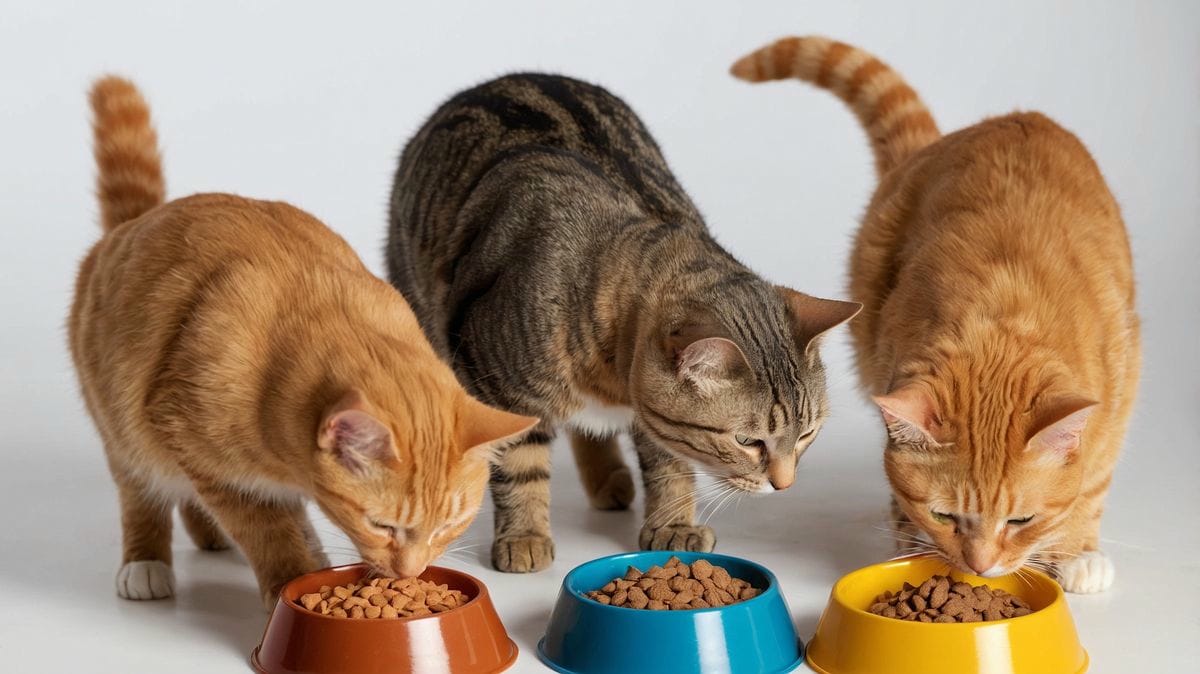
Both types of food have their pros and cons. Here, we'll share some tips to help you and your beloved cat make the best choice.
The main difference between dry food and wet food is their moisture content. While wet food boasts a water content of 60-80%, dry food typically ranges from 7-10%. Both dry and wet food can provide your cat with a healthy and balanced diet, as long as they are classified as 'Complete food,' containing all the essential nutrients, vitamins, and minerals your feline friend needs. Your choice of feeding depends on your lifestyle and your cat's individual needs and preferences.
Pros and Cons of Dry Food
Thanks to its lower moisture content, dry food is more energy-dense than an equivalent amount of wet food. This means your cat will feel full with a smaller portion. However, there's also a higher risk that they might overeat dry food and become overweight.
Wild cats typically consume around 12 small prey animals daily. Similarly, our domestic cats love to graze on many small portions throughout the day. Since dry food spoils less quickly than wet food, you can easily fill your cat's bowl with a day's portion in the morning, allowing your feline friend to nibble whenever they please.
If you choose to feed dry food, it's crucial to ensure your cat drinks enough water. While dry food doesn't inherently promote the formation of urinary stones – as it's the mineral composition of the diet, not just low water intake, that's key – wet food is still recommended for certain urinary tract or kidney conditions. This ensures adequate hydration, especially for cats who aren't keen on drinking water.
The right dry food can help reduce the buildup of plaque and tartar. However, for this to be effective, the kibbles must have a shape, size, and texture that encourages your cat to chew, allowing their teeth to penetrate the kibble sufficiently. If the dry food is swallowed mostly unchewed, its tooth-cleaning benefits are lost. Therefore, cats prone to tartar buildup should be given a special dry food formulated for tartar prevention.
Pros and Cons of Wet Food
Many cats prefer wet food, partly because its high moisture content allows the aromas to develop more fully, and partly because its protein content is generally higher than that of dry food.
Since wet food provides a significant amount of hydration, cats often don't need to drink much extra water, which aligns more with their natural behavior. However, opened wet food spoils quickly, so you should only offer as much per meal as your cat will eat in one sitting. Any leftovers in the bowl should be promptly disposed of. Opened wet food packages can be stored in the refrigerator for 2-3 days, but always remember to warm the food to room temperature before serving.
Wet foods are often not 'Complete food' but are intended as a complementary food to dry food. If you choose to feed your cat exclusively wet food, it's essential to carefully check that the chosen varieties are clearly labeled as 'Complete food' and not 'complementary food'.
|
Dry Food |
Wet Food |
|
+ stays fresh longer when open |
+ lots of flavor |
|
- risk of obesity |
- spoils quickly when open |
Mixed Feeding: The Ideal Solution
It's truly ideal if you can offer your cat a combination of wet and dry food! Simply provide a portion of wet food in the morning and evening, and also fill a bowl with dry food, allowing your cat to graze on it throughout the day.
When combining foods, it's crucial not to simply give the full daily rations of dry food *plus* the full daily rations of wet food as indicated on the packaging! Doing so would result in an excessively high energy intake, causing your cat to quickly gain weight. Some packaging does provide feeding recommendations for mixed diets, which you can follow. If not, you can use our food calculator to determine the correct dosage for a balanced mixed feeding plan.

Set ipet.ch as a preferred source on Google
Never miss a tip: Set ipet.ch as a preferred source in your Google account so that our veterinary advice and pet care guides appear higher up in your search results. Optional and can be undone at any time.
Set as preferred source →Useful information at a glance
What are the main differences between wet and dry food for cats?
The essential difference between wet and dry food lies in the water content. Wet food contains 60–80% water, while dry food contains only 7–10% water. Both types of food can offer a balanced diet, provided they are 'Complete food' that contains all necessary nutrients.
What Benefits does dry food offer for my cat?
Dry food is more energy-dense and stays fresh longer, making it ideal for cats that eat small portions throughout the day. It can also contribute to dental hygiene if the kibble is chewed properly. However, it is important to ensure that the cat drinks enough water.
Why might wet food be a good choice for my cat?
Many cats prefer wet food due to its higher water and protein content, which enhances the taste. Since cats already consume a lot of fluid with wet food, they need to drink less additionally. However, it is important to ensure that the wet food is declared as 'Complete food' to ensure a balanced diet.
How can I optimally design a mixed feeding plan for my cat?
For mixed feeding, you should offer wet food in the morning and evening, and additionally provide a portion of dry food from which the cat can eat throughout the day. Be sure to control the total energy intake to avoid overweight. If in doubt, you can contact the manufacturer or your veterinarian.
What should I consider if my cat is prone to urinary stones?
If your cat is prone to urinary stones, wet food may be recommended to ensure adequate fluid intake. The mineral composition of the food plays a crucial role. For existing urinary tract or kidney diseases, you should consult your veterinarian.