
 EN
EN  DE
DE  FR
FR Why Is My Dog's Nose Running?
-
 By
med. vet. Bianca Michoud-Valente
By
med. vet. Bianca Michoud-Valente - Jan 9, 2025
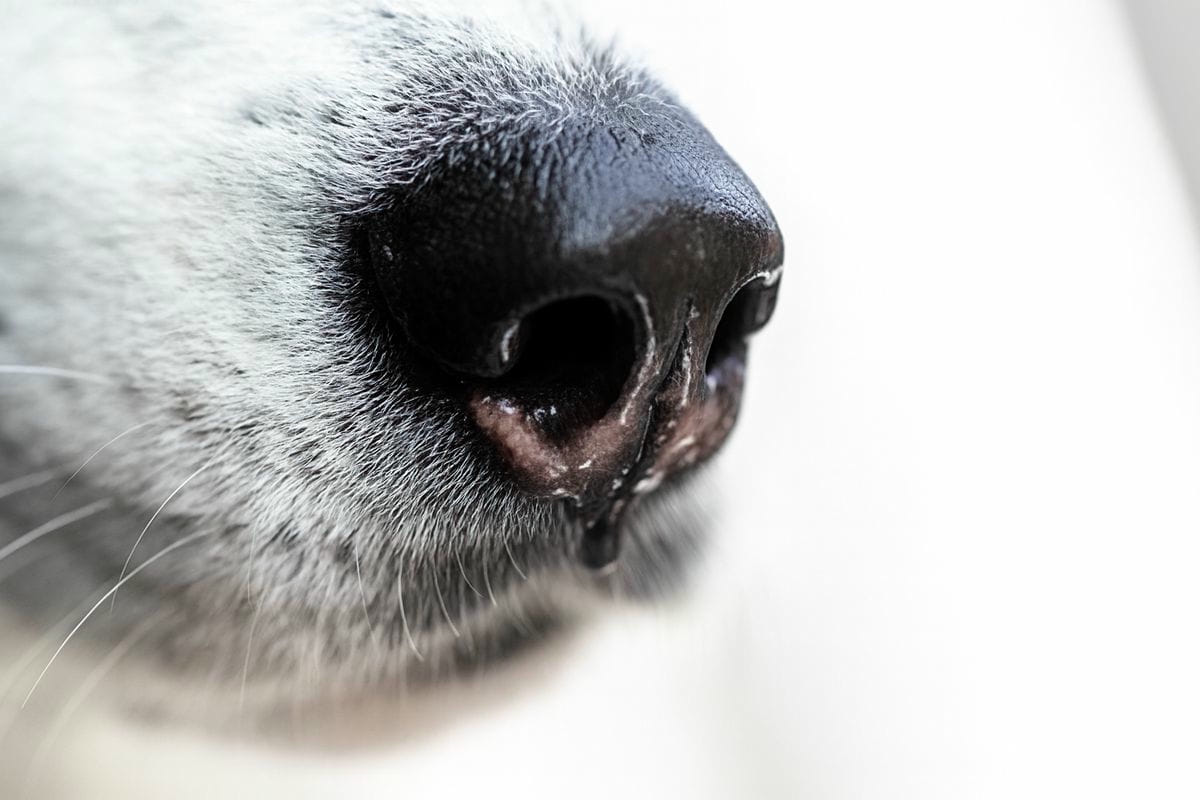
A dog with a runny nose is not always a cause for concern, but in some cases, it can hide a serious illness. Nasal discharge can have various causes of differing severity. Understanding the causes and knowing when to consult a veterinarian is crucial to ensure your dog's health.
What are the causes of nasal discharge in dogs and what are the treatment options?
- Allergies: Dogs – like humans – can be sensitive to environmental allergens such as pollen, dust, mites, or smoke. Typical symptoms include clear, watery nasal discharge, frequent sneezing, or itching and conjunctivitis. A veterinary visit helps identify the allergen and initiate appropriate treatment and/or environmental adjustments.
- Foreign Bodies: A blade of grass, an awn, or another foreign body can easily enter your dog's nostrils. Typical symptoms include violent, repeated sneezing and unilateral, sometimes bloody nasal discharge. In this case, an immediate veterinary visit is necessary to safely remove the foreign body – often under sedation.>
-
Kennel Cough: This highly contagious respiratory infection is caused by viruses or bacteria (often Bordetella bronchiseptica) and frequently occurs in places where many dogs gather (kennels, parks, boarding facilities). Symptoms include clear or purulent nasal discharge, dry cough, sometimes also fatigue and fever. While the disease is usually harmless in adult dogs, a veterinary visit is necessary for puppies or severe cases to initiate the correct treatment. A vaccination is also available.
- Dental problems: A dental infection or abscess can also lead to unilateral nasal discharge, especially if the root of an affected tooth touches the nasal cavities. Accompanying symptoms include bad breath (halitosis), purulent or bloody discharge, and sometimes difficulty eating. An annual veterinary visit with dental care (teeth brushing, tartar removal, possibly tooth extraction) helps prevent such problems.
-
Tumors or Polyps in the Nose: Although rare, tumors or polyps can cause persistent nasal discharge. Typical symptoms include chronic, sometimes bloody discharge, breathing difficulties, or a persistent breathing sound. An accurate diagnosis requires further examinations such as CT scans or endoscopies to initiate appropriate treatment.
-
Aspergillosis: This infection, caused by the fungus Aspergillus, affects the nasal cavities and is more common in long-nosed dogs. Symptoms include purulent, sometimes foul-smelling nasal discharge, nosebleeds, and facial pain. Treatment involves antifungals administered after a veterinary diagnosis.
-
Nasal Mite Infestation: These microscopic parasites can colonize the nasal passages and cause significant irritation. Symptoms include frequent sneezing, clear nasal discharge, or itching, which the dog shows by rubbing its muzzle against objects. An antiparasitic agent from the veterinarian quickly and effectively eliminates these mites.
-
Severe Bacterial or Viral Infections: Rarely, systemic infections such as distemper can cause severe nasal discharge. Symptoms vary depending on the causative disease and can range from purulent nasal discharge to general symptoms such as fever, cough, and lethargy. Prompt veterinary diagnosis and treatment are essential.
How can you help your dog with nasal discharge?
-
Hydration: Ensure your dog drinks enough. Good fluid intake helps to thin nasal mucus.
-
Humidifier: This can provide relief for nasal discharge caused by dry air.
-
Nasal Hygiene: Gently clean your dog's nose area with a soft, damp cloth.
-
Avoid Irritants: Limit contact with smoke, perfumes, or dust.
When should you be concerned and consult the veterinarian?
An occasional, clear nasal discharge without other symptoms is usually harmless. However, a prompt veterinary visit is necessary if:
-
The discharge lasts longer than 2–3 days or worsens.
-
The discharge is unilateral, purulent, or bloody.
-
Other symptoms such as fever, cough, loss of appetite, or difficulty breathing occur.
-
Swelling or pain in the face is noticeable.
How can you prevent nasal problems in your dog?
-
Keep vaccinations up to date: Protect your dog from infections such as kennel cough and distemper.
-
Good Dental Hygiene: Regular dental care and check-ups prevent infections that could affect the nasal cavities.
-
Reduce Known Allergens: Keep your dog's environment clean to minimize allergens.
-
Be Attentive: In dusty or grassy environments, make sure no foreign bodies get lodged in your dog's nose.
-
Regular Veterinary Visits: An annual check-up helps detect health problems early.
Conclusion
Nasal discharge in dogs can have many causes – from harmless allergies to Dental problems and more serious infections. A precise diagnosis by the veterinarian is crucial to initiate the correct treatment and provide relief for your dog. With attentiveness and a few precautions, you can contribute to the health and well-being of your four-legged friend. When in doubt, always: better to consult the veterinarian one more time!

Set ipet.ch as a preferred source on Google
Never miss a tip: Set ipet.ch as a preferred source in your Google account so that our veterinary advice and pet care guides appear higher up in your search results. Optional and can be undone at any time.
Set as preferred source →Useful information at a glance
What are the most common causes of nasal discharge in dogs?
Nasal discharge in dogs can be caused by various factors such as allergies, foreign bodies in the nose, kennel cough, Dental problems, tumors or polyps, aspergillosis, nasal mite infestation, or severe bacterial or viral infections. An accurate diagnosis by a veterinarian is crucial to initiate the correct treatment.
When should I take my dog to the veterinarian for nasal discharge?
A veterinary visit is necessary if the nasal discharge lasts longer than 2–3 days or worsens, is unilateral, purulent, or bloody, or if additional symptoms such as fever, coughing, loss of appetite, or difficulty breathing occur. A veterinarian should also be consulted for swelling or pain in the face.
How can I help my dog with nasal discharge?
You can help your dog by ensuring adequate hydration, using a humidifier, gently cleaning the nasal area with a soft, damp cloth, and avoiding irritants such as smoke, perfumes, or dust.
How can I prevent nasal problems in my dog?
Keep your dog's vaccinations up to date, ensure good dental hygiene, reduce known allergens in your dog's environment, make sure no foreign bodies get stuck in their nose, and go for regular check-ups with your veterinarian.
Can nasal discharge in dogs be dangerous?
Nasal discharge is not always dangerous, but it can indicate serious conditions. A precise diagnosis by a veterinarian is crucial to initiate the correct treatment and provide relief for your dog. When in doubt, it's always better to consult the veterinarian.