
 EN
EN  DE
DE  FR
FR Summer essentials for your dog
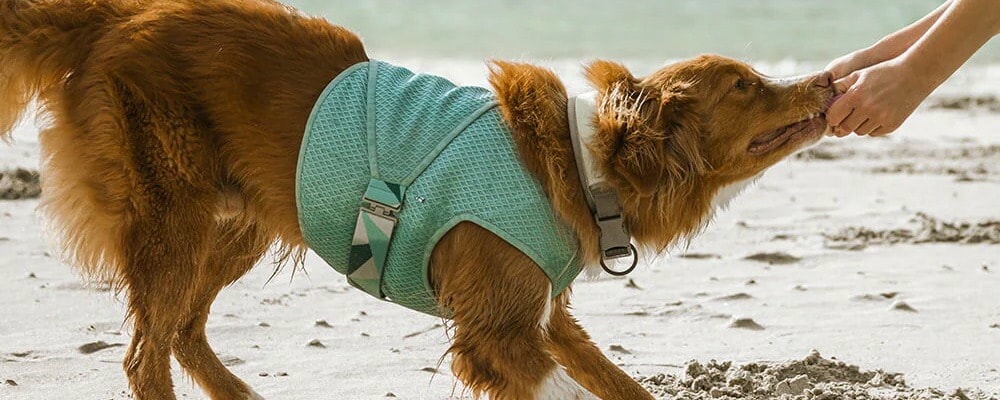
Make sure your dog doesn’t suffer from the summer heat! Cooling mats, cooling coats, cooling beds, and plenty of fresh water for drinking and splashing can help prevent your dog from overheating.
Dogs are particularly sensitive to heat. This is because they only have sweat glands in their paw pads, and these alone are not sufficient to cool their bodies effectively in high temperatures. When it’s hot, dogs can only lower their body temperature by panting.
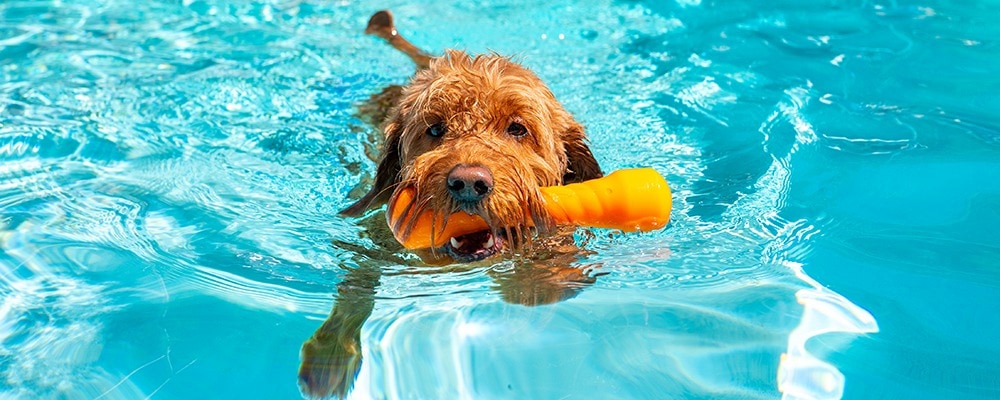
Encourage your dog to cool off in the water with fun water toys. Always bring enough fresh water on walks and offer your dog a drink every 20–30 minutes.
Provide a cool spot indoors and never leave your dog in a car parked in the sun when temperatures exceed 20°C, not even for a short time. Even with the windows slightly open, temperatures inside a vehicle can rise dramatically within minutes.
-
-
Cottage cheese, plain yogurt, or pureed fruits and vegetables can easily be stuffed into a Kong or spread onto a lick mat and then frozen. This refreshing treat not only provides enjoyable enrichment but also helps keep your dog cool on hot summer days.
Discover our range of lick mats
-
Summer heat can be challenging not only for you but also for your pet. With a few simple measures, you can help your pet cool down and stay comfortable during hot weather.
Read our guide: Summer Heat: Tips for Cooling Down
-
When temperatures exceed 20°C, never leave your dog in a car, not even for a short time. Even with the windows partially open, the temperature inside a vehicle can rise dramatically within minutes.
Read our guide: Tips for protecting your dog from heat in the car
-
Bumblebees, bees, and wasps are out and about – and with them comes an increased risk of your dog getting stung. Insect stings are not only painful for dogs but can, in rare cases, become dangerous. Fortunately, most stings are harmless. Still, it is helpful to be prepared and know how to respond if it happens.
In our guide, Bee and wasp stings in dogs and cats, you'll learn when a sting may be dangerous and what steps you should take in such a situation.
-
Filters

-
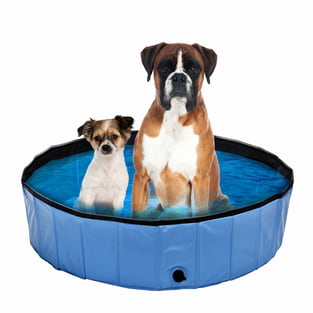
from CHF 39.50
swisspetWith lateral water drain valve, in various sizes
-
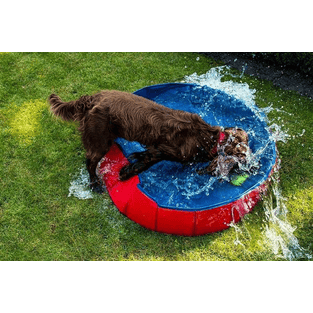 Free shipping
from CHF 68.50
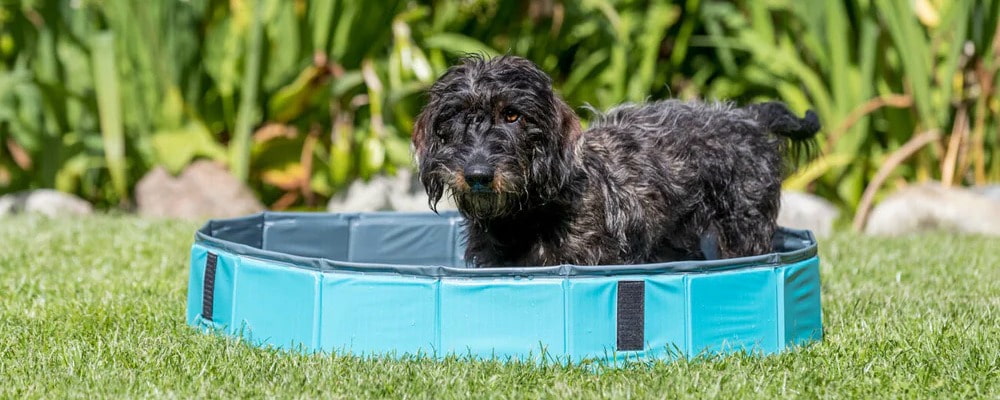
NobbyFoldable pool that can be set up round or square -
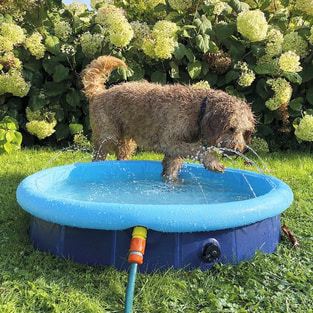 Free shipping
from CHF 78.30
NobbyDog pool with non-slip base and garden hose connection -
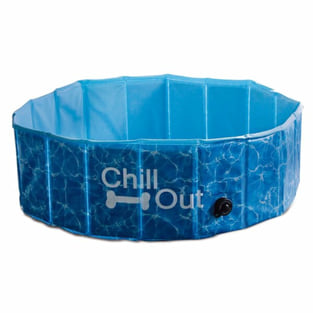
from CHF 42.20
All For PawsCollapsible dog pool, without inflation, with side drainage -
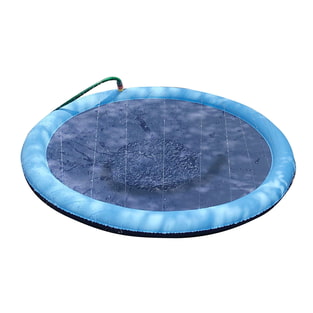
-
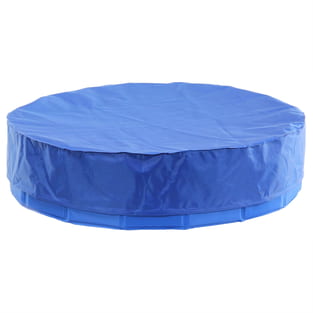
from CHF 26.20
swisspetTarpaulin for Planchi dog pool
-
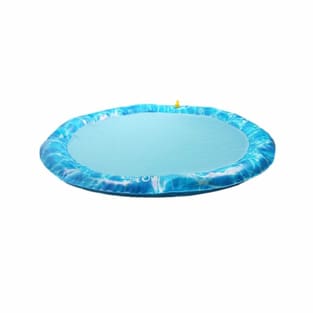 CHF 49.90All For PawsWater sprinkler mat for connection to the garden hose, refreshment with fun and games for dogs
 -
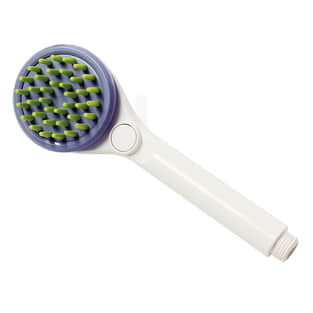 CHF 22.30swisspet
Shower attachment for massaging and shampooing your four-legged friend
-


- Summer Articles 128
- Beds & baskets 617
- Boxes & transportation 319
- Coat care 250
- Care & hygiene 326
- Leashes & Collars 702
- Dog clothing 139
- Dog doors & barriers 34
- Dog steps & ramps 29
- Dog kennels 8
- Feeding bowls & waterers 284
- Dog toy 490
- Dog sports & training 102
- Breeding & puppies 86
- Tracking devices & cameras 14
- Gift Vouchers 1
- In Memory 1