EN
EN  DE
DE  FR
FR Cat grass: what are the real benefits?
-
 By
Kathy Wyss
By
Kathy Wyss - Jun 1, 2026

Many cats enjoy nibbling on fresh blades of grass. Some cats use cat grass every day, while others show little interest in it. This often raises the question of whether cat grass is really necessary for cats.
What is cat grass?
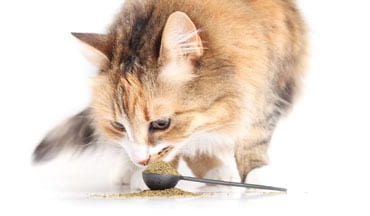
Cat grass is not a specific plant species, but rather a general term for various non-toxic grasses and grains that are sold as a dietary supplement for domestic cats.
From a veterinary perspective, cat grass isn’t a necessity, but it can be a useful supplement. It doesn’t provide any essential nutrients that a well-nourished cat doesn’t already get from a balanced diet. Nevertheless, it can offer cats a safe way to nibble, help them deal with swallowed hair, and reduce their interest in houseplants.
Cat grass is often particularly helpful for indoor cats. Outdoor cats usually find grass on their own, while indoor-only cats may occasionally nibble on houseplants or bouquets if they don’t have access to cat grass.
Why do cats eat grass?
Eating grass is normal behavior for cats and does not automatically indicate a deficiency or illness. While some cats simply enjoy nibbling on grass, others seek it out more frequently during shedding season or after intensive grooming to get rid of swallowed hair.
Swallowed hair can be regurgitated as hairballs or passed in the feces. Cat grass can help facilitate this process in some cats. Cat grass aids in the expulsion of hair primarily through mechanical stimulation of the stomach. Since cats cannot enzymatically break down the indigestible cellulose fibers in the grass, eating the blades causes irritation of the stomach lining in some cats, which in many cases triggers a natural gag reflex. In this way, the hair accumulated in the stomach is vomited up before it reaches the intestinal tract, where it could potentially cause blockages or a life-threatening intestinal obstruction. Additionally, small amounts of fine grass fibers can also promote the further transport of hair into the intestines, thereby aiding normal intestinal transit. However, cat grass is not a substitute for regular grooming and is not a treatment for digestive problems!
Is cat grass a good idea for indoor cats?
Cat grass can be particularly useful for indoor cats. Not because they absolutely need it, but because it offers a safe alternative to plants that are unsuitable for them. Many houseplants, bouquets, or potted herbs are problematic for cats, and some are even poisonous.
Cat grass can help redirect their natural urge to nibble toward a safe plant. It’s best to place it in a bright spot, stable and easily accessible, but not right next to their food or water bowl.
What are the specific benefits of cat grass?
Cat grass can benefit cats in various ways:
- A safe way to chew: Provides a non-toxic option for your pet's natural urge to chew
- Less interest in houseplants: Protect your own plants indoors from being nibbled on
- Help for swallowed hair: Aids in the elimination of hairballs
- Enrichment activities: Add some variety to your cat's daily routine
- Especially suitable for indoor cats: Compensates for the lack of access to outdoor grassy areas
The benefits vary from cat to cat: Some cats love cat grass and practically demand it, while others ignore it completely. Both are perfectly normal behaviors for cats.
Can cat grass have any drawbacks?
Yes, if the quality or quantity isn’t right. Cat grass should be fresh, soft, and untreated. Moldy, rotten, dried-out, or heavily fertilized grass has no place in a cat’s home.
Very hard or sharp-edged blades are also unsuitable, as they can scratch the throat or cause discomfort when swallowed.
When is it important to seek veterinary advice?
It’s a good idea to have your cat examined by a veterinarian if it is vomiting frequently. You can find more information on this topic in our guide.
Which type of cat grass is best?
Young, tender cat grass made from oat, wheat, or barley sprouts is suitable. The blades should be fresh, green, and pliable. It is important to use untreated seeds, a clean growing medium, and ensure the sprouts are free of mold.
You can also grow cat grass yourself. To do this, place cat grass seeds in a shallow dish with suitable soil or a growing medium, keep them slightly moist, and place them in a bright spot. Avoid waterlogging.
When growing your own, please keep the following criteria in mind:
✓ Do's
- Use only untreated seeds that produce soft blades
- Plant the grass in a sturdy container
✗ Don'ts
- Avoid using chemical pesticides altogether
- Do not use heavily fertilized soil
How much cat grass is recommended?
A small bowl is usually sufficient. Cats that only nibble on it occasionally can generally have cat grass available at all times. For cats that eat a lot of it or vomit regularly afterward, it’s better to limit their access.
Yellow, dry, or rotten blades should be removed. It’s practical to harvest cat grass in stages so that fresh grass is always available.
Cat grass, malt paste, special food, or brushing?
When it comes to preventing hairballs, cat grass is just one of many possible options. Here is a direct comparison of the most common methods:
| Method | Effects and Benefits for Preventing Hairballs |
|---|---|
| Regular brushing | This is the most important step, as it significantly reduces the amount of hair swallowed from the outset. |
| Cat grass | Often induces the vomiting of hairballs to expel the hair directly from the stomach. |
| Malt paste | This can also be helpful. While cat grass often triggers the vomiting of hairballs, malt pastes can help move hair through the intestines so that it can be passed in the feces. |
| Special anti-hairball food | It can help. Special formulas contain selected fibers that bind to swallowed hair in the digestive tract and are designed to support its natural elimination through feces. This can effectively reduce hairballs, which is particularly beneficial for cats that regularly gag on hair. However, anti-hairball food is never a substitute for grooming and must always be tailored to the cat’s age, digestive system, and individual health. |
Conclusion: Useful, but not essential
Cat grass isn’t strictly necessary for cats. A healthy cat doesn’t need it as a source of nutrition. Nevertheless, it can enrich the daily lives of many cats, especially those kept exclusively indoors.
It’s important to provide fresh, soft, and untreated blades of grass, as well as the right amount. If a cat tolerates cat grass well, there’s no reason not to offer it to them regularly.

Set ipet.ch as a preferred source on Google
Never miss a tip: Set ipet.ch as a preferred source in your Google account so that our veterinary advice and pet care guides appear higher up in your search results. Optional and can be undone at any time.
Set as preferred source →Useful information at a glance
Is cat grass necessary for cats?
Cat grass is not essential for cats. A cat with a healthy diet gets all the nutrients it needs from a balanced diet. Nevertheless, cat grass is a useful supplement, especially for indoor cats. It provides a safe way for them to chew and can help them pass swallowed hair.
Why do cats eat cat grass?
Many cats eat grass out of a natural urge to nibble. Cat grass also helps them get rid of swallowed hair. The indigestible fibers can mechanically stimulate the stomach, thereby encouraging the regurgitation of hairballs or aiding the passage of hair through the intestines.
Welches Katzengras ist für Katzen geeignet?
Young, soft, and untreated cat grass is suitable, such as grass grown from oat, wheat, or barley sprouts. The blades should be fresh, green, and pliable. Cats should not be given grass that is moldy, dried out, heavily fertilized, or very tough.