
 EN
EN  DE
DE  FR
FR Diarrhea in Puppies and Kittens
-
 By
med. vet. Bianca Michoud-Valente
By
med. vet. Bianca Michoud-Valente - Jul 9, 2024
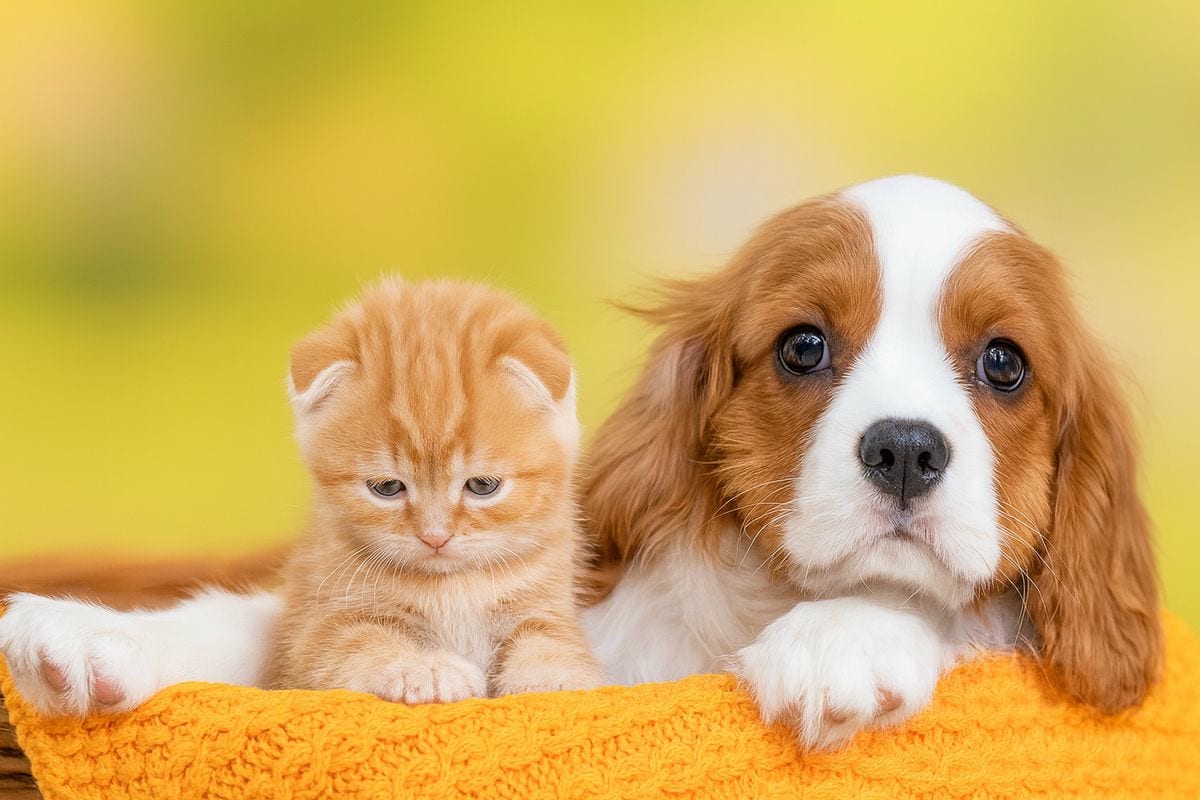
Diarrhea in puppies and kittens is quite common, as they are particularly sensitive to sudden changes in their environment or diet. Parasites, Food allergies, or other underlying conditions can also cause diarrhea. Depending on the cause, diarrhea can last for varying lengths of time and affect your young pet's health. In this guide, we'll give you tips so you know what to do and when you should react.
What types of diarrhea can occur?
Diarrhea in puppies and kittens manifests as soft or liquid stools that are passed very frequently, in contrast to normal stools, which are firm and well-formed and are passed regularly approx. one to three times a day.
Diarrhea can occur in a mild form, where soft stools are passed at a slightly increased frequency for 1 – 3 days, without any additional symptoms appearing. Severe diarrhea is characterized by very frequent watery stools. Often, the animals then show further symptoms such as dehydration, lethargy, loss of appetite, or blood in the stool. In cases of severe diarrhea, immediate veterinary treatment is necessary.
Diarrhea can last for different lengths of time. It can be acute, meaning it starts suddenly and usually lasts only a few days. However, there are also chronic forms of diarrhea, where symptoms persist for a longer period, from more than a week to several months, or recur.
What are the most common triggers for diarrhea in puppies and kittens?
Diarrhea in young animals is a common condition that can have many different causes. Recognizing and understanding these causes is important to properly treat and prevent diarrhea:
- Dietary change: Puppies and kittens have a sensitive digestive system. A sudden change in food can disrupt their digestion and lead to an imbalance in gut flora, thus causing diarrhea.
- Stress and anxiety: Changes in the environment, such as an adoption or a move, the arrival of a new pet, or separation, can trigger stress and anxiety, which can lead to diarrhea.
- Intestinal parasites: Roundworms or Giardia are a common cause of diarrhea in young animals. These parasites can be acquired through mother's milk, the environment, or other infected animals.
- Viral and bacterial infections: Viruses such as parvovirus in puppies and coronavirus in kittens can cause severe diarrhea. Bacterial infections like salmonellosis can also be the cause.
- Food intolerances and allergies: Puppies and kittens can also develop intolerances or allergies to certain ingredients in their food. This can lead to digestive upset, including diarrhea.
- Ingestion of toxic or unsuitable substances or objects: Young animals are curious and may ingest toxic substances such as unsuitable household products, plants, or human food. Sometimes they also try non-edible items like gravel, paper or plastic packaging, or parts of toys.
When is a vet visit necessary?
A vet visit is recommended if any of the following apply:
- the puppy or kitten is younger than four months old
- a lot of watery diarrhea that lasts longer than 12 hours
- watery, but not very frequent diarrhea that lasts longer than 24 hours
- intermittent or mild diarrhea that persists for several days despite home treatment attempts
- chronic diarrhea
- the presence of traces of blood in the stool or black stool
- the presence of other, more severe symptoms such as vomiting, lethargy, loss of appetite, or fever
In such situations, prompt intervention is strongly recommended to prevent dehydration and potential complications, which can be particularly dangerous for young animals.
What measures can you take at home to treat diarrhea?
Fortunately, most cases of diarrhea in puppies and kittens are harmless and can be easily treated at home with a few tricks, care, and food supplements.
Here are our tips:
- Feed small portions: Distribute the daily food ration into as many small portions as possible throughout the day. This can help to relieve the intestines.
- Special diet: Depending on how severe or persistent the diarrhea is, you should opt for easily digestible bland food. Special, veterinarian-recommended diets are ideal in this case. It is also possible to feed small portions of chicken and very soft-boiled white rice for a few days. Also, feeding Moro's Carrot Soup, which has a slightly constipating effect, is advisable. Once the stool has normalized, you can reintroduce the usual food.
- Hydration: Ensure your pet takes in enough fluids by offering oral rehydration solutions or making sure it drinks enough. Another option is to enrich dry food or pâtés with water to promote optimal hydration.
- Probiotics: Depending on the duration of the diarrhea, administer a course of probiotics for at least 7 days to restore your pet's gut flora.
- Food supplements: Use food supplements with clay or fiber to improve stool consistency.
By following these tips, you can help your puppy or kitten recover quickly while minimizing the discomfort associated with diarrhea.
What can be done to prevent diarrhea in puppies and kittens?
With a few precautions and daily actions, you can prevent diarrhea in your puppy or kitten. Simply follow these recommendations:
- Regular deworming: Make sure to adhere to the parasite treatment plan recommended by your veterinarian to prevent or quickly eliminate intestinal worm infections. Avoid dog parks in the first few months of life, as the risk of parasite transmission is often higher there.
- Gradual dietary change: Introduce new foods gradually so that your pet's intestines can adapt and diarrhea due to a too sudden dietary change is avoided. To do this, mix the new food with the old, gradually increasing the proportion of the new food day by day while reducing the proportion of the old food. For treats, start by feeding only a few pieces and increase the amount day by day if your puppy tolerates them well.
- Vaccination: Some diseases can be easily avoided through vaccinations. Keep your pet's vaccinations up to date and follow your veterinarian's recommendations. Wait for the booster vaccination before bringing your puppy to dog classes, boarding kennels, dog parks, or into contact with dogs of unknown vaccination status.
- Hygiene: Ensure good hygiene in your pet's environment. Always pick up your dog's stool and/or clean the litter box daily to prevent the spread of infection to other animals. Also regularly clean your pets' food bowls, toys, and living area.
- Regular feeding: Keep food and feeding times as consistent as possible and introduce new foods or treats one by one. This facilitates the identification and elimination of potential allergens.
- Stable environment: Create a calm and stable environment for your young pet. Maintain a regular routine with fixed times and introduce new habits or environmental changes gradually. For example, before your pet has to stay in a boarding kennel for a longer period, start with a one-day trial stay. After adoption, keep your kitten in a confined room for a few days before granting it access to the entire house. You can also use calming pheromones such as Adaptil Collars for puppies or Feliway diffusers for kittens.
- Safe environment: Young animals are naturally curious and tend to chew on or swallow dangerous objects. Therefore, ensure that chemicals, medications, toxic plants, and small, swallowable objects are stored out of reach of pets. Use closed cabinets or high shelves for these items. Do not leave your pet unsupervised in the garden, especially during the initial period. Puppies and kittens can eat toxic plants or ingest soil, stones, and other indigestible objects. Trash cans containing spoiled food or hazardous waste can also pose a danger. Use trash cans with lockable lids and keep them out of your pet's reach. Also, make sure to seal trash bags tightly. And last but not least: Avoid toys with small, easily detachable parts that could be swallowed (e.g., eyes on plush toys).
In summary, diarrhea in puppies and kittens is a common but often harmless problem that can be effectively treated and prevented with the right approaches. However, if in doubt, do not hesitate to consult a veterinarian.

Set ipet.ch as a preferred source on Google
Never miss a tip: Set ipet.ch as a preferred source in your Google account so that our veterinary advice and pet care guides appear higher up in your search results. Optional and can be undone at any time.
Set as preferred source →Useful information at a glance
What forms of diarrhea occur in puppies and kittens?
Diarrhea in puppies and kittens can manifest in a mild form with soft stools for 1 to 3 days, or in a severe form with frequent, watery stools, often accompanied by other symptoms such as dehydration, lethargy, or blood in the stool. Acute diarrhea appears suddenly and lasts only a few days, while chronic diarrhea can persist for over a week to several months.
What are the most common triggers for diarrhea in puppies and kittens?
Common causes of diarrhea in young animals include diet changes, stress, intestinal parasites such as roundworms or Giardia, viral and bacterial infections, food intolerances and allergies, as well as the ingestion of toxic or unsuitable substances or objects.
When should you take a puppy or kitten to the vet?
A visit to the veterinarian is recommended if the puppy or kitten is younger than four months, has a large amount of watery diarrhea that lasts longer than 12 hours, or if the diarrhea persists for several days despite home treatment attempts. A veterinary examination should also be carried out immediately if there is blood in the stool, black stool, or more severe symptoms such as vomiting, lethargy, or fever.
What measures can be taken at home to treat diarrhea?
At home, you can feed small portions, provide easily digestible bland food such as chicken and rice, ensure adequate fluid intake, administer probiotics to restore gut flora, and use food supplements with clay or fiber. These measures can help alleviate symptoms and promote convalescence.
What can be done to prevent diarrhea in puppies and kittens?
To prevent diarrhea, you should carry out regular deworming, introduce diet changes gradually, keep vaccinations up to date, ensure good hygiene, maintain regular feeding times, create a stable environment, and ensure a safe environment where no toxic or dangerous objects are accessible.