
 EN
EN  DE
DE  FR
FR Supporting the Coat Change in Dogs and Cats
-
 By
Dr. med. vet. Sabina Büttner
By
Dr. med. vet. Sabina Büttner - Mar 12, 2021
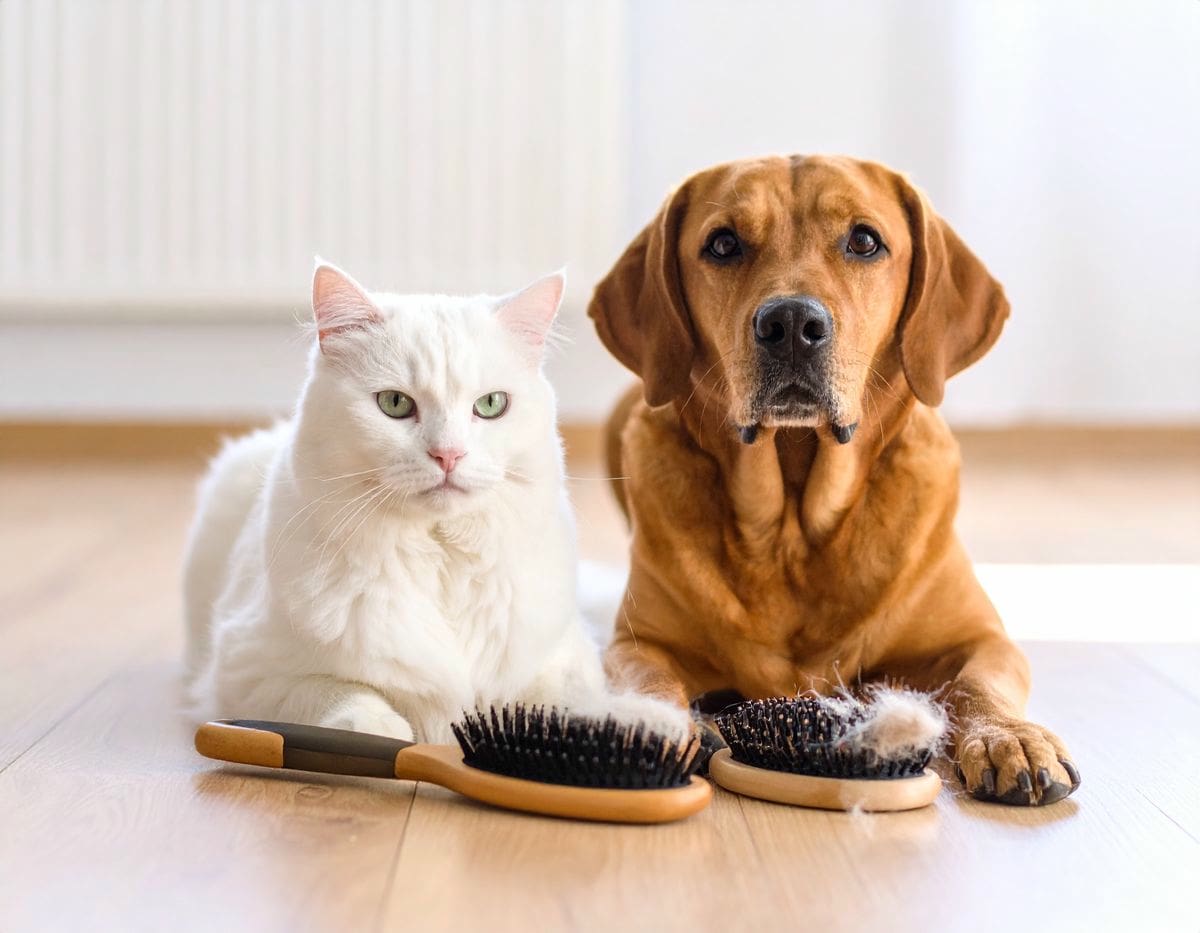
Are you not a big fan of the hair your pet leaves on your clothes and furniture? You're not alone! Whether you own a cat, a dog, or both, shedding is always a nuisance. Learn more about shedding in dogs and cats and how you can ensure healthy skin and a beautiful coat.
Why Does Your Pet Shed?
Losing hair is a natural process that helps get rid of old or damaged hair, making way for new hair. The primary triggers for shedding are hormones influenced by sunlight. Therefore, the most significant shedding occurs in spring when the days get longer again.
However, the amount and frequency of shedding depend on a number of factors:
Breed
Dog breeds with a lot of undercoat shed particularly heavily. These include, for example, Labrador Retrievers, Golden Retrievers, Newfoundlands, Siberian Huskies, German Shepherds, Collies, Beagles, or Pugs. Breeds that need to be clipped or trimmed, such as Poodles, Lagotto Romagnolo, Schnauzers, or Terriers, generally shed less.
Among cats, long-haired breeds like Maine Coons, Persians, Ragdolls, or Norwegian Forest Cats are the ones that lose a lot of hair. But short-haired breeds with dense coat also shed a lot, including, for example, Chartreux or British Shorthair. Cats with little undercoat, such as Bengals, Burmese, Devon Rex, or Siamese cats, shed less.
Environment
Since sunlight and temperature have a significant influence on an animal's hair growth, cats that have a lot of outdoor access usually shed heavily once or twice a year, whereas cats kept exclusively indoors often lose hair throughout the year.
Pregnancy and Lactation
Pregnancy and lactation can deplete animals of calcium and minerals they need for a healthy coat. This often leads to excessive hair loss.
Hormonal Influences
Many female dogs shed before or after their heat cycle. Neutering can lead to increased, year-round shedding in certain dog breeds or the development of a puppy coat, where the undercoat no longer sheds naturally but needs to be regularly trimmed out.
Illnesses
Excessive shedding can also be caused by an underlying medical problem. In a healthy animal, the skin should look normal during and after shedding. If the skin is irritated or reddened, your pet suffers from itching, or if bald spots develop, then a veterinarian should be consulted.
Common causes of excessive shedding:
- Infestation with skin parasites, e.g., fleas, mites
- Fungal skin diseases and other infections
- Excessive licking due to nervousness, stress, frustration, or boredom (Psychogenic Lick Alopecia)
- Allergies
- Injuries and inflammations
- General stress
- Fever, infections, deficiency diseases
- Hormonal and metabolic disorders
- Side effects of medication
- Autoimmune diseases
Can Pet Shedding Be Prevented?
No, because shedding is a natural process that cannot be prevented. However, there are ways to prevent excessive shedding. As with any health issue, a proper and balanced diet is important, as it promotes healthy skin and a shiny coat from within. Regular coat care and regular veterinary examinations help to identify or prevent problems that could lead to excessive shedding in your dog or cat.
How to Support Your Pet During Shedding
Of course, you must regularly brush your pet to remove dead hair, stimulate new hair growth, and reduce matting. Make sure you use the right brush or comb for your pet's coat (Read more about this in our guide: Coat Care in Autumn).
Especially for animals that shed a lot, it should also be ensured that their special nutritional needs during shedding are met.
Special Nutritional Requirements During Shedding
Hair consists mainly of keratin, a protein that contains many sulfur-containing amino acids. Therefore, the protein requirement increases during shedding. In long-haired dogs, almost 25-30% of ingested proteins are used solely for hair growth during this time. A food with highly digestible proteins that have an optimal amino acid composition can therefore support hair renewal.
A thin lipid layer surrounding each individual hair ensures a shiny coat. Therefore, it is important that sufficient essential fatty acids are supplied with the food during shedding.
Additionally, the need for vitamins and minerals, which are important for the formation of new hair, is increased. These primarily include the various B vitamins, but also zinc, copper, and iodine.
When is a Special Food or a Food Supplement Needed?
A high-quality food usually provides your pet with sufficient proteins, fatty acids, minerals, and vitamins even during shedding, so a switch to a special food or the addition of a vitamin-mineral mix is not necessary.
However, in cases of severe hair loss, for example after lactation, or if your pet has a dull, sparse coat or if the hair loss has already lasted longer than 8 weeks, it can certainly be beneficial to switch to a food that optimally supports healthy skin and a beautiful coat, or to appropriately supplement the current food.
These special foods generally contain a lot of highly digestible protein, a high content of polyunsaturated Omega-3 and Omega-6 fatty acids, as well as an optimally balanced vitamin and mineral mix.
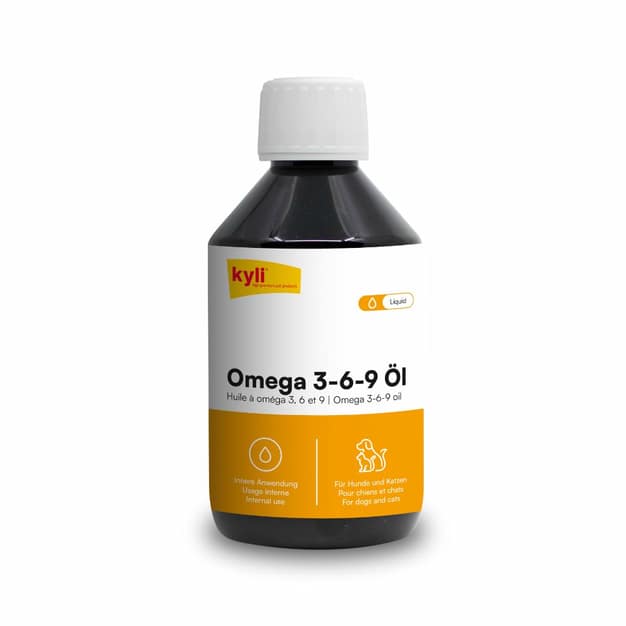
If the usual food is not to be changed, then oils are particularly suitable as a supplement during shedding. These can be given in liquid form or as capsules with the food, or applied directly to the skin as spot-on preparations.
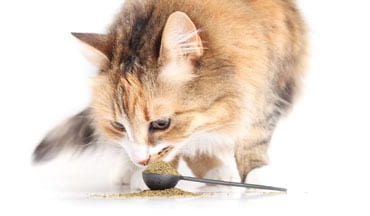
Yeast products rich in Vitamin B can also be used supportively. Mineral mixes should only be given in consultation with the treating veterinarian, especially for animals with health problems. We are also happy to advise you if you are unsure about choosing a suitable product!

Set ipet.ch as a preferred source on Google
Never miss a tip: Set ipet.ch as a preferred source in your Google account so that our veterinary advice and pet care guides appear higher up in your search results. Optional and can be undone at any time.
Set as preferred source →Useful information at a glance
Why is my pet shedding so much?
Shedding is a natural process where old or damaged hair is shed to make way for new hair. Factors such as breed, keeping conditions, hormonal influences, and health problems can affect the amount and frequency of shedding.
Can I prevent my pet from shedding?
No, shedding is a natural process that cannot be prevented. However, you can reduce excessive shedding through a balanced diet, regular coat care, and veterinary check-ups.
How can I support my pet during the coat change?
Regular brushing removes dead hair and stimulates new hair growth. Make sure to use the right brush for your pet's coat and ensure that their nutritional needs are met during the coat change.
When should I use a special food or food supplement?
A high-quality food usually covers the nutritional needs during the coat change. In cases of severe hair loss or dull coat, a special food or a supplement may be beneficial. Please feel free to consult us if you are unsure.
Which nutrients are particularly important during the coat change?
During the coat change, the need for proteins, essential fatty acids, vitamins (especially B vitamins), and minerals such as zinc, copper, and iodine is increased. These nutrients support healthy hair growth and a shiny coat.