
 EN
EN  DE
DE  FR
FR What to do when it itches?
-
 By
Dr. med. vet. Sabina Büttner
By
Dr. med. vet. Sabina Büttner - Aug 19, 2019
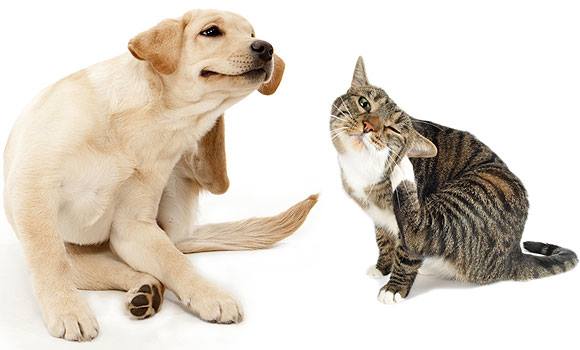
Is your dog scratching a lot? Is he nibbling at his paws? Is your cat constantly licking and pulling out whole tufts of fur? Itching is one of the most common reasons why dogs and cats are presented at the small animal clinic. And it is one of the most important symptoms, not just for many skin conditions.
Causes
The possible causes of itching are numerous:
• Parasites such as fleas, mites, biting insects, etc.
• Allergic diseases: Atopic dermatitis or Food allergy
• Skin or ear infections with bacteria or yeasts (primary or as a result of the itching)
• Skin tumors
• Autoimmune diseases
• Contact allergies
• Psychological or hormonal diseases
Diagnosis
To be able to carry out the correct treatment that can bring relief to your furry friend, it is important to determine the cause of their itching.
Important for the veterinarian is the patient's history (age, breed, living conditions, etc.), as this information provides initial clues as to what disease it could be. In cases of itching, skin parasites and infections should always be ruled out first. This can be done by detecting flea dirt, as well as skin swabs and scrapings. Further laboratory tests may be necessary to find a possible cause for the itching (fungal culture, blood tests).
If a Food allergy is suspected, an elimination diet must be carried out for 8 to 10 weeks for verification, during which the animal exclusively receives food with protein and Carbohydrates (NfE) sources that it has never received before.
Treatment
The treatment of itching primarily depends on the primary disease and can therefore vary greatly. Parasites and skin infections are combated, after which the itching usually disappears within a few days to weeks. If a Food allergy is diagnosed, the allergy-triggering ingredients must be permanently avoided with a suitable diet.
Environmental allergies (atopic dermatitis) are kept in check with allergen avoidance and immunotherapies. Anti-inflammatory and itch-relieving medications such as cortisone are sometimes indicated, at least in the initial phase of treatment, to quickly bring relief to the animal.
The treatment of itchy skin conditions can also be positively influenced by nourishing shampoos and the administration of essential fatty acids and vitamins through food.

Set ipet.ch as a preferred source on Google
Never miss a tip: Set ipet.ch as a preferred source in your Google account so that our veterinary advice and pet care guides appear higher up in your search results. Optional and can be undone at any time.
Set as preferred source →Useful information at a glance
What are the most common causes of itching in dogs and cats?
The most common causes of itching in dogs and cats are parasites such as fleas and mites, allergic diseases such as atopic dermatitis or Food allergy, skin or ear infections, skin tumors, autoimmune diseases, contact allergies, as well as psychological or hormonal diseases.
How is the cause of itching diagnosed in my pet?
To diagnose the cause of itching, it is important to know the animal's history. The veterinarian will first rule out skin parasites and infections, which can be done by flea faeces detection as well as skin swabs and scrapings. Further laboratory tests such as fungal cultures or blood tests may be necessary. If a Food allergy is suspected, an elimination diet will be performed.
What treatment options are available for itching?
The treatment depends on the primary disease. Parasites and skin infections are treated, which usually quickly relieves the itching. In cases of Food allergy, the allergy-triggering substances must be avoided. Environmental allergies are treated through allergen avoidance and immunotherapies. Anti-inflammatory medications like cortisone can help in the initial phase. Nourishing shampoos and essential fatty acids in the food can also be supportive.
How long does it take for the itching in my pet to subside after treatment?
The duration until the itching subsides depends on the cause. When treating parasites and skin infections, the itching can subside within a few days to weeks. For allergic reactions, it can take longer, especially if an elimination diet or immunotherapy is necessary.
What can I do if the itching does not subside despite treatment?
If the itching does not subside despite treatment, you should seek advice from your veterinarian again. It may be necessary to re-evaluate the diagnosis or adjust the treatment. It is important to follow all instructions from the veterinarian precisely and not to make any unauthorized changes.