
 EN
EN  DE
DE  FR
FR Food Transition: How to Acclimate Your Pet to New Food?
-
 By
Dr. med. vet. Sabina Büttner
By
Dr. med. vet. Sabina Büttner - May 29, 2018
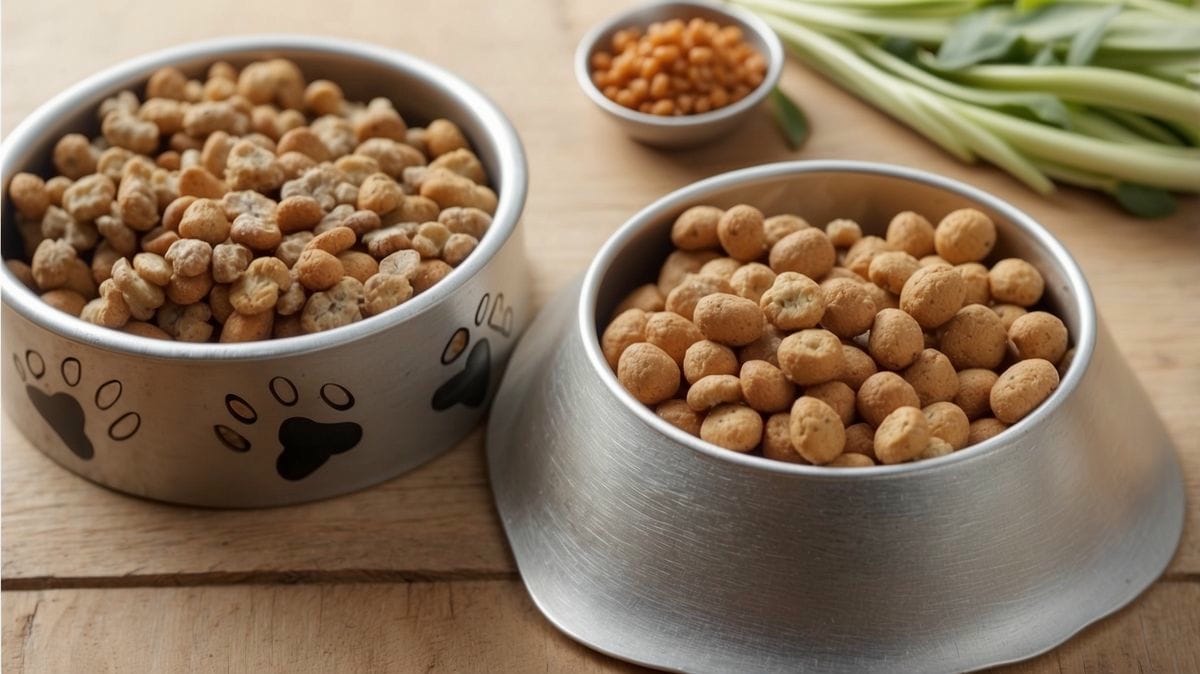
Throughout an animal's life, there are occasional changes in individual nutrient requirements that necessitate an adjustment of their food. To avoid digestive problems during this process, some basic principles for changing food must be observed.
Healthy adult dogs and cats usually adapt quickly to new food. There are even animals that enjoy variety in their food bowl and respond to every change with increased food intake. However, it can also happen that the new food is only eaten reluctantly or even completely refused. Dogs and cats with sensitive gastrointestinal systems may also react with digestive problems such as bloating, diarrhea, or vomiting.
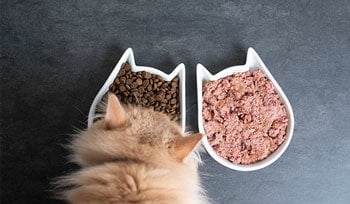
It is therefore always advisable to introduce a new food gradually. This is especially true when switching from a low-fat food to a high-fat diet, or when the type of food is changed (e.g., from dry food to wet food).
Gradual Introduction: Never change the feeding abruptly; instead, mix a little more of the new food into the usual diet over 7 to 10 days.
Regulated Feeding Times: Feed your animal at fixed times (adult dogs once or twice daily / adult cats three or four times daily). Food remnants that have not been eaten within 15 to 20 minutes should be removed, and the next portion should only be offered at the next feeding time.
No Snacks Between Meals: If your animal is not initially enthusiastic about the new food, refrain from rewarding it with snacks and treats between meals. If it is hungry at feeding times, the transition to the new food will be easier.
If Digestive Problems Still Occur: In sensitive dogs and cats, even with a gradual change in feeding, bloating or changes in stool consistency can occur. In this case, it can help to slow down the transition and mix in a little more of the old food again. At the latest after four weeks, the adaptation of the intestinal flora to the new food composition should have taken place. This process can also be supported by the addition of suitable probiotics.
If the New Food is Still Rejected: In this case, also slow down the transition and mix a little more of the original food into the meal. The acceptance of wet food can be improved by slightly warming it. Be consistent and don't give up too quickly.
After the Transition: Keep an eye on your animal's nutritional status! The energy content of different types of food can vary greatly. And even if you adhere to the specified feeding recommendations, your animal's individual needs can deviate significantly from these guidelines. After a food transition, you should therefore check your animal's weight weekly and adjust the food amount accordingly.
Even with a careful and slow food transition, every change of food exposes the gastrointestinal tract to adjustment stress and can promote the occurrence of Food allergies. Therefore, avoid unnecessary food changes. If your animal is healthy, its coat shines, its digestion works well, its weight is within the normal range, and it enjoys its current food, then stick with it!

Set ipet.ch as a preferred source on Google
Never miss a tip: Set ipet.ch as a preferred source in your Google account so that our veterinary advice and pet care guides appear higher up in your search results. Optional and can be undone at any time.
Set as preferred source →Useful information at a glance
How long should the food transition for my pet take?
A food transition should occur gradually over 7 to 10 days. Always mix a little more of the new food with the accustomed diet to avoid digestive upset.
What can I do if my pet doesn't like the new food?
If your pet rejects the new food, slow down the transition and mix more of the original food back in. The palatability of wet food can be improved by slightly warming it. Remain consistent and patient.
How should I proceed if my pet develops digestive problems?
In case of digestive problems such as bloating or diarrhea, slow down the transition and mix more of the old food back in. The addition of suitable probiotics can also help. If the problems persist, consult a veterinarian.
Should I give my pet snacks during the food transition?
Avoid snacks. If your pet is hungry at feeding times, the transition to the new food will be easier for them.
How can I ensure my pet stays healthy after the food transition?
Keep an eye on your pet's nutritional status by checking their weight weekly and adjusting the food amount accordingly. Ensure that their coat is shiny, digestion functions well, and weight is within the normal range.