
 EN
EN  DE
DE  FR
FR Is Grain in Dog and Cat Food Unhealthy?
-
 By
Dr. med. vet. Sabina Büttner
By
Dr. med. vet. Sabina Büttner - Oct 11, 2018
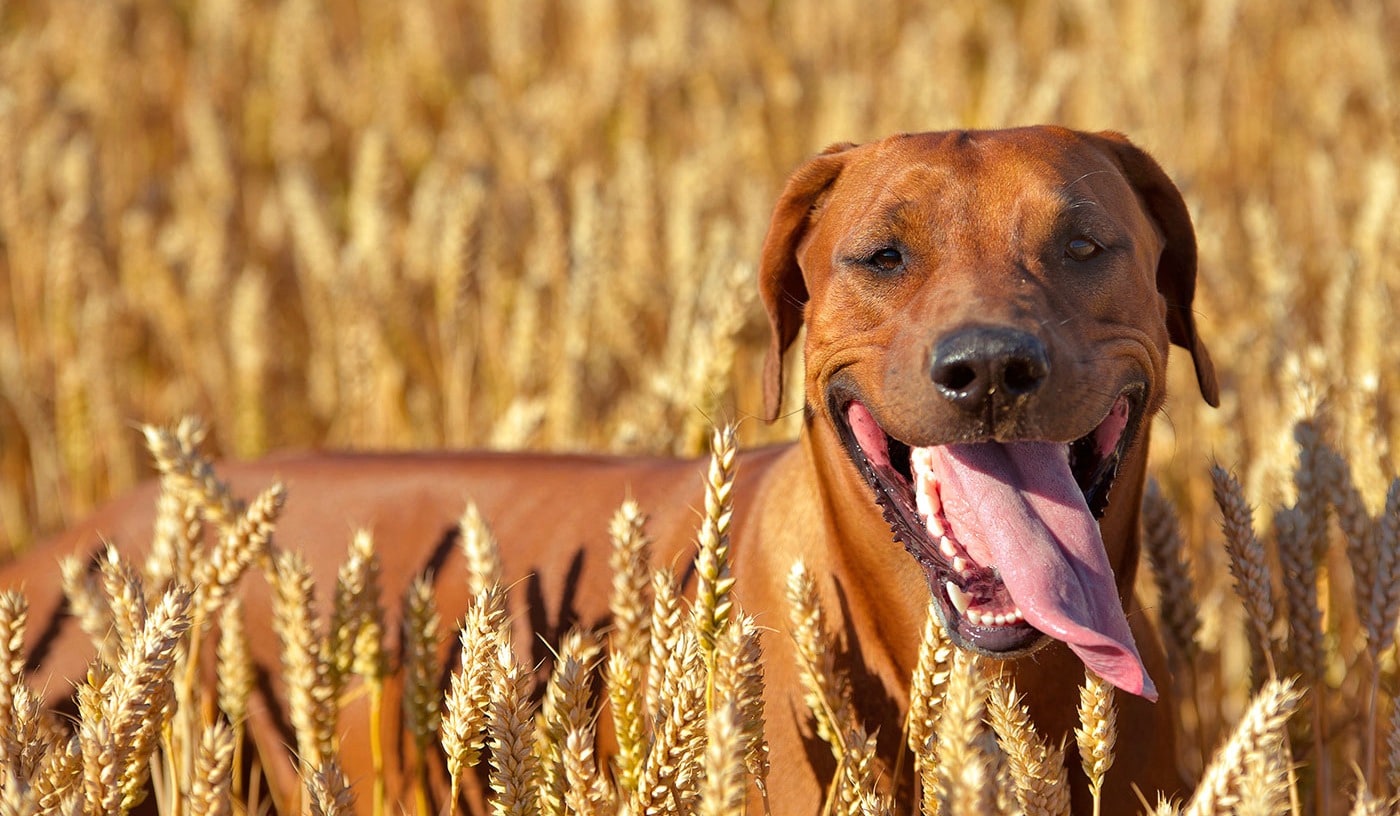
Grain-free dog and cat food is very popular right now. But is it really healthier than food varieties that contain grain?
What is Grain Made Of?
Grain primarily consists of Carbohydrates (NfE), which are largely present in the form of starch. Alongside fats, Carbohydrates (NfE) are the most important energy suppliers. Dogs, in particular, can digest and utilize starch well, better than their ancestors, wolves, and much better than cats. For cats, Carbohydrates (NfE) therefore play a role as energy sources, especially in old age or with specific illnesses. For better digestibility, the Carbohydrates (NfE) are administered in a pre-digested form.
Grain also provides proteins (for example, wheat proteins, so-called glutens, soy or corn proteins). In terms of their composition, these are less valuable for the nutrition of dogs and cats than proteins from meat or egg. However, in the right combination, they can still provide all essential amino acids.
Essential fatty acids, as well as high amounts of trace elements, vitamins, and minerals, are also contained in grain. Furthermore, it provides natural Crude fiber, which, as dietary fibers, ensures good digestion and can prevent constipation.
Grain is therefore by no means a cheap filler that is worthless for our animals, but can certainly be a valuable source of energy.
So, is Grain in Food Generally Not a Problem?
The proportion of grain in the diet should not be too high; otherwise, digestive disorders with bloating or even diarrhea may result. While dogs can tolerate a proportion of grain in their food of up to 60%, cats should not consume more than approx. 25g of grain per day.
Additionally, there are animals that react allergically to certain proteins from grain. This can manifest as itching, eczema, or diarrhea. While allergies to plant proteins are rarer than to animal proteins, they lead to the fact that all feedstuffs containing the allergen must be avoided.
Whether your dog or cat benefits from grain-free food or not therefore depends on individual needs. The most important thing is that the food provides a balanced and complete diet. If it contains too much or too little of a specific nutrient, then the animal will eventually become ill – regardless of whether the food contains grain or not.

Set ipet.ch as a preferred source on Google
Never miss a tip: Set ipet.ch as a preferred source in your Google account so that our veterinary advice and pet care guides appear higher up in your search results. Optional and can be undone at any time.
Set as preferred source →Useful information at a glance
Is Grain in Dog and Cat Food Unhealthy?
Grain is not inherently unhealthy for dogs and cats. It provides important nutrients such as carbohydrates, proteins, essential fatty acids, vitamins, and minerals. The correct amount and combination of ingredients in the food are crucial.
Can Dogs and Cats Digest Grain Well?
Dogs can digest and utilize starch, which is contained in grain, well. Cats, on the other hand, primarily need carbohydrates in old age or with specific illnesses. It is important that the carbohydrates are administered in a pre-digested form.
How Much Grain Can Be Contained in Food?
Dogs tolerate a grain content of up to 60% in their food, while cats should not consume more than approx. 25g of grain per day. An excessively high proportion can lead to digestive problems.
Can Animals Be Allergic to Grain?
Yes, there are animals that react allergically to certain proteins from grain. This can manifest as itching, eczema, or diarrhea. In such cases, food containing the allergen should be avoided.
Should I Give My Pet Grain-Free Food?
Whether your dog or cat benefits from grain-free food depends on their individual needs. A balanced and well-rounded diet is important. In case of uncertainty, consultation with a veterinarian can be helpful.