
 EN
EN  DE
DE  FR
FR Head Shaking – Beware of Ear Infection!
-
 By
Dr. med. vet. Sabina Büttner
By
Dr. med. vet. Sabina Büttner - May 15, 2019
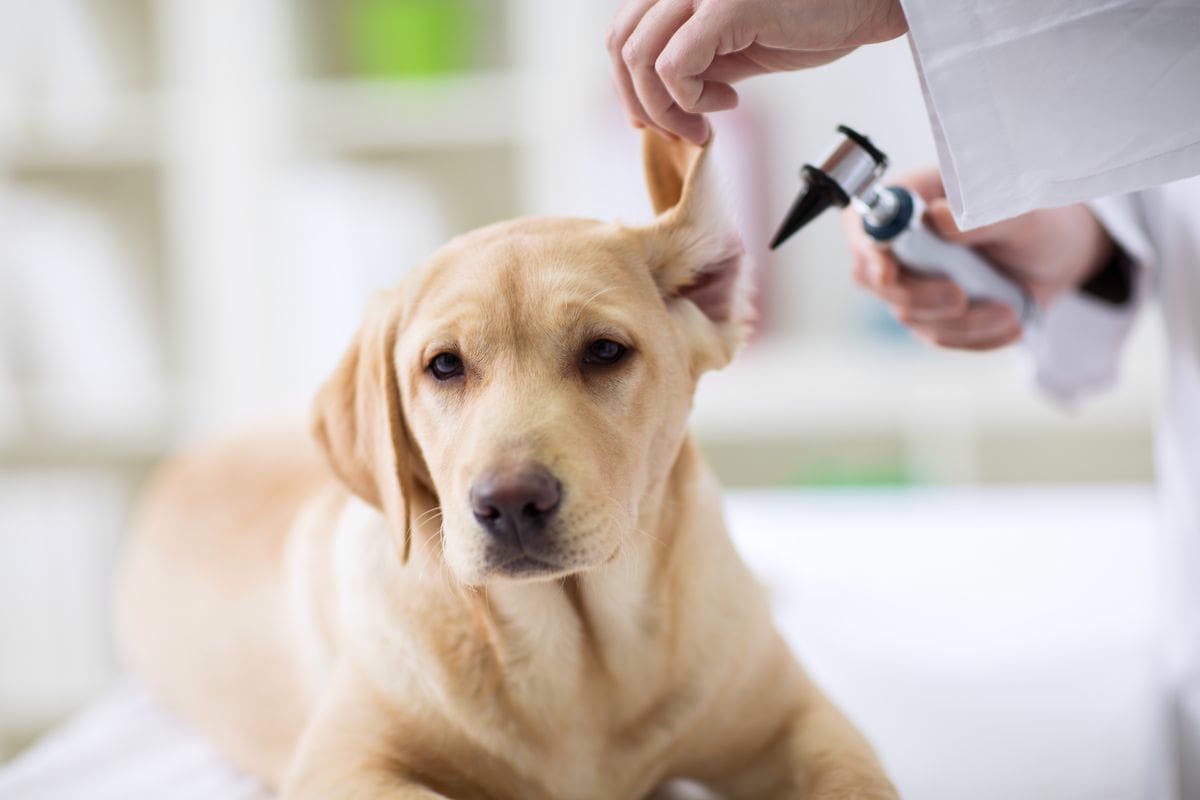
Does your dog often shake its head and scratch its ears? Does your cat have large amounts of earwax and dirt in its ears and doesn't let you touch its head? These are typical signs of an ear infection!
Symptoms of an Ear Infection
Vigorous head shaking and ear scratching are often the first signs of an ear infection. These symptoms are frequently accompanied by redness of the ear flap, a foul odor, and sometimes increased earwax production. An ear infection, also known as Otitis externa, can be very painful. Pets often no longer like to be touched on the head and may even react aggressively if their ears are touched.
- Scratching or rubbing of ears and head
- Redness and swelling of the ear flap
- Head shaking or head tilting
- Foul odor
- Increased earwax
- Purulent ear discharge
- Pain in the ear area
- Behavioral changes such as depression or irritability
What Causes Ear Infections?
The causes of Otitis externa are distinguished into primary and secondary factors, as well as factors that can contribute to the development or promotion of the disease.
- Circumstances that favor the development of an ear infection are called predisposing factors. These include, for example, anatomical conditions such as floppy ears or narrow ear canals, poor grooming leading to matting around the ear and thus poor ventilation of the external ear canals, or frequent swimming with a constantly moist climate in the outer ear.
- The primary factors are the actual triggers of Otitis externa. Very often these are Food allergy or environmental allergies, ear mites, hormonal disorders, or autoimmune diseases.
- In inflamed ears, infections with bacteria or fungi can worsen the symptoms as secondary factors.
- Factors that promote the persistence of Otitis externa, known as perpetuating factors, usually develop in the course of chronic inflammations. For example, this can lead to thickening of the ear epithelium and thus narrowing of the ear canal, or to a permanently increased production of earwax.
To successfully treat Otitis externa and prevent a relapse, it is crucial that all factors that can predispose, trigger, or perpetuate an inflammation are identified and treated. This requires a thorough examination by the veterinarian.
How Can Otitis externa Be Treated?
Before the actual treatment, it is important to thoroughly clean the ears. In severe cases, an ear flush under sedation may be necessary. This is followed by a local treatment with ear drops or ointments to combat bacteria and fungi. Severe symptoms may require additional therapy with tablets. To prevent relapses, it is also very important to identify and treat the primary factors that led to Otitis externa.
How to Clean Ears Properly?
The key to healthy ears is to keep them clean. Therefore, regularly check your pet's ears and clean them with a suitable product if you notice dirt or slight redness. Proceed as follows:
- Warm the ear cleaner to body temperature for a few minutes in warm water or in your pocket. Ear flushes that are too cold can be very uncomfortable.
- Instill a sufficient amount of ear cleaner into the ear and then gently massage the ear canal.
- Allow your pet to shake its head vigorously afterwards.
- Then, with a cotton ball wrapped around your finger or a Kleenex, clean the ear flap and absorb any remaining liquid.
Remember, if your dog or cat shows strong discomfort during ear checks, if the ears smell bad, or if the ear flap looks unusual, do not hesitate to contact your veterinarian.
Source: Otitis externa / Swiss Association of Veterinary Dermatology (https://www.savd.ch/index.php/hautkrankheiten/otitis-externa)

Set ipet.ch as a preferred source on Google
Never miss a tip: Set ipet.ch as a preferred source in your Google account so that our veterinary advice and pet care guides appear higher up in your search results. Optional and can be undone at any time.
Set as preferred source →Useful information at a glance
What symptoms indicate an ear infection in my pet?
Typical signs of an ear infection include frequent head shaking, scratching at the ears, redness of the ear flap, an unpleasant odor, and increased earwax production. Your pet might also show pain and be reluctant to be touched on the head.
What are the causes of ear infections in dogs and cats?
Ear infections can be triggered by primary factors such as allergies, ear mites, or hormonal imbalances. Secondary factors like bacterial or fungal infections can worsen the symptoms. Predisposing factors such as anatomical conditions or poor hygiene can facilitate their development.
How can I treat an ear infection in my pet?
Treatment begins with a thorough cleaning of the ears. In severe cases, ear flushing under sedation may be necessary. Afterward, ear drops or ointments are applied to combat bacteria and fungi. It is important to also treat the primary factors to prevent relapses.
How do I properly clean my pet's ears?
Warm the ear cleaner to body temperature and drip it into the ear. Gently massage the ear canal and allow your pet to shake its head. Clean the ear flap with a cotton ball or tissue. If there is significant discomfort or an unusual odor, you should contact your veterinarian.
When should I take my pet to the veterinarian?
If your pet shows severe pain, the ears smell bad, the ear flap looks unusual, or your pet feels very uncomfortable, you should not hesitate to contact your veterinarian.