
 EN
EN  DE
DE  FR
FR Senior cat nutrition : what older cats really need
-
 By
Dr. med. vet. Sabina Büttner
By
Dr. med. vet. Sabina Büttner - Aug 27, 2026

Cats are remarkably skilled at masking the signs of aging. Often, it's not until much later that we notice subtle changes—more time spent sleeping, or a sudden pickiness about food. Concerned pet parents naturally wonder how best to support their companion through these golden years, and a significant part of the answer lies directly in their food bowl.
An older cat's nutritional needs shift considerably over time. Here's what to look for when feeding your senior cat, to help ensure a long, healthy, and comfortable life.
When is a cat considered "old"?
This is one of the most common questions we hear in veterinary practice, yet there's no single answer. The aging process varies greatly from one cat to another, shaped by genetics, breed, and lifestyle. A cat facing early health challenges may need an adapted senior diet sooner than a robust, active peer.
You may have noticed in our iPet Shop that several pet food brands label their senior lines for cats as young as seven years old. But is a seven-year-old cat really "old"?
Medically speaking, not quite. However, many cats do begin to slow down around this age: their metabolic rate drops, and the risk of conditions like osteoarthritis or chronic kidney disease starts to climb. Introducing a diet with moderate energy density at this stage can help prevent typical age-related issues before they take hold.
| Life Stage | Typical Age | Nutritional Focus |
|---|---|---|
| Mature Cat | 7+ years | Preventing age-related issues, moderate calorie density. |
| Senior Cat | 10 – 14 years | Mild signs of aging appear; switch to dedicated senior formula. |
| Geriatric Cat | 15+ years | Organ functions decline; tailored dietary management essential. |
Energy Requirements: Senior vs. Geriatric Cats
Senior Cats (approx. 7–14 years)
Tend to be less active and have a lower resting metabolic rate, making them prone to weight gain. A moderately calorie-controlled, nutrient-dense diet is ideal.
Geriatric Cats (15+ years)
Often lose weight and muscle mass quickly because nutrient absorption declines. These cats require a highly digestible, calorie-dense diet to prevent emaciation.
Key Nutrients for Older Cats
Highly Digestible Proteins for Muscle Maintenance
A persistent myth in feline nutrition is that senior cats require low-protein diets. To slow age-related muscle wasting, protein levels should only be reduced very moderately, if at all. Crucially, the protein must come from premium, easily digestible animal sources with an optimal amino acid profile. Look for recipes built around top-quality meat.
Kidney Support and Increased Hydration
Chronic kidney disease (CKD) is among the most frequent diagnoses in older felines. A quality diet for senior cats should always feature a controlled, moderate phosphorus content as a preventive safeguard.
Because aging cats also experience a diminished thirst response, they rarely drink enough water. Feeding at least part of their daily ration as wet food helps keep the urinary tract flushed and eases the workload on the kidneys.
Cellular Protection: The Power of Antioxidants
Cellular aging is driven heavily by free radicals—reactive oxygen compounds produced during normal metabolism that accumulate with age and damage healthy cells. Antioxidants like Vitamin E, Vitamin C, beta-carotene, and taurine act as natural scavengers, neutralizing these compounds.
Ensuring ample antioxidant intake through food strengthens the aging immune system, supports cell regeneration, and shields sensitive organs and brain tissue from premature wear.
Targeting Specific Senior Health Concerns
Osteoarthritis in Cats: Support From the Bowl
Joint degradation and osteoarthritis are extremely common in senior cats. It often goes unnoticed because cats rarely limp overtly; instead, they avoid jumping or sleep more.
- Omega-3 Fatty Acids: High-grade salmon oil provides natural anti-inflammatory benefits directly to stressed joints.
- Joint Support Compounds: Green-lipped mussel extract, eggshell membrane, undenatured collagen, and hyaluronic acid help protect cartilage and keep your cat moving comfortably.
For deeper insights, consult our guide «Osteoarthritis in Dogs and Cats».
Cognitive Dysfunction: When Senior Cats Show Signs of Dementia
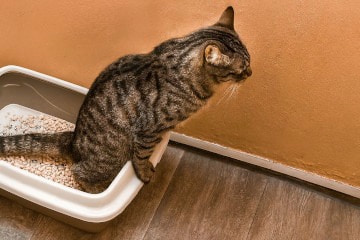
Feline Cognitive Dysfunction Syndrome (feline dementia) often presents as nighttime vocalization, disorientation, or sudden litter box lapses.
A diet or supplement rich in antioxidants, essential fatty acids, and B-vitamins supports neural pathways and helps slow cognitive decline.
If you notice these behavioral changes in your cat, explore our comprehensive guide on Feline Dementia.
What to Do When an Older Cat Refuses to Eat
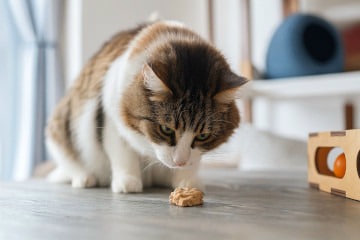
Appetite loss is common as smell and taste diminish with age. If your senior cat becomes fussy, try these practical steps:
- Gently warm the food: Warming enhances aroma and triggers appetite.
- Offer small, frequent meals: Smaller portions throughout the day are easier on sensitive digestive tracts.
- Adjust the consistency: Stirring a splash of warm water into wet food makes it creamier and easier to lap up, especially for cats with dental tenderness.
Important Veterinary Note: If your cat stops eating entirely or loses weight rapidly, schedule a veterinary visit immediately. Painful dental conditions (such as tooth resorption/FORL) or internal organ issues require prompt medical treatment that food alone cannot fix.
Summary
The optimal senior feline diet must be tailored precisely to your cat's specific life stage and current health status. While younger seniors benefit from moderate calorie control, geriatric cats need calorie-dense formulas to maintain body mass.
Prioritize highly digestible protein, kidney-friendly phosphorus levels, and targeted antioxidants and omega-3s for cognitive and joint support. Above all, remember that the most nutritious food only works if eaten—flavor and high palatability remain the cornerstone of senior cat well-being.
Useful information at a glance
At what age is a cat considered senior?
From around seven years of age, many cats enter a mature life stage in which their activity and metabolism may gradually decline. In the article, cats aged around 10 to 14 are considered seniors, while cats aged 15 and over are considered geriatric. Individual health and physical condition remain more important than age alone.
Do older cats need fewer calories?
It depends on their age and condition. Younger senior cats often become less active and may benefit from moderately calorie-reduced food. Very old cats, however, frequently lose weight and muscle mass and may require a highly digestible, energy-dense diet.
Do senior cats need less protein?
Not necessarily. High-quality, easily digestible animal protein is important for helping to limit age-related muscle loss. Protein should therefore only be moderately reduced where appropriate and adjusted to the individual cat's health.
Is wet food better for older cats?
Wet food can be beneficial because older cats often drink less. Its high water content helps increase overall fluid intake. Depending on the cat's preferences and health, a combination of wet and dry food may also be suitable.
What can I do if my senior cat is not eating well?
Try warming the food slightly, offering several small meals throughout the day and adjusting its texture. Mixing some warm water into wet food can also make it easier to eat. If your cat suddenly stops eating altogether or loses significant weight, veterinary examination is essential.
What role do antioxidants play in senior cat nutrition?
Antioxidants such as vitamins E and C, beta-carotene and taurine help neutralise free radicals. They can therefore support cellular protection, the ageing immune system and brain function.