
 EN
EN  DE
DE  FR
FR Variety in the Food Bowl – Is It Necessary?
-
 By
Dr. med. vet. Sabina Büttner
By
Dr. med. vet. Sabina Büttner - Aug 19, 2019
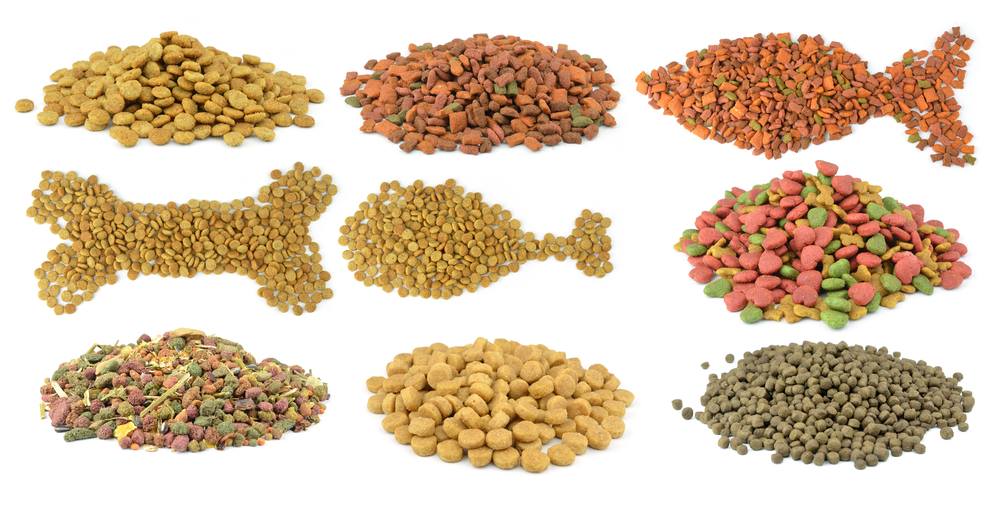
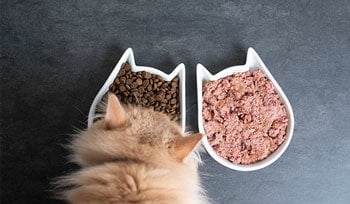
We ourselves can't imagine eating the same thing day in, day out, and therefore we assume that our dogs and cats shouldn't always be given the same food. But are such food changes even necessary for optimal nutrition?
To state it upfront: A constant change of food in the diet of dogs and cats is clearly not necessary. Provided that the food optimally covers the individual needs of the animal and its nutrient requirements. On the contrary: Every food change subjects the gastrointestinal tract, and especially the sensitive gastrointestinal flora of dogs and cats, to adjustment stress. Bloating, diarrhea, and even vomiting can be the result. You can get suggestions for a feeding plan optimally tailored to your animal's needs with our Food Selection Tool.
Nevertheless, there are reasons that speak for an occasional food change: For example, throughout an animal's life, there are changes in nutrient requirements that necessitate an adjustment of the food (e.g., in connection with age, pregnancy, castration, or illness). However, there are also dogs, and especially cats, who genuinely develop a certain food aversion over time and who like to be offered something new now and then. Other animals, in turn, can develop a strong fixation on a certain food, which can make it difficult to switch to an adapted veterinary diet food in case of illness. An occasional food change can help minimize this risk.
Tips for the Correct Food Transition
1. Change the flavor within the same type of food or choose a food with as similar a nutrient composition as possible.
2. Never switch the feeding abruptly, but instead gradually mix in a little more of the new food over 7 to 10 days.
3. If your animal refuses the new food, mix it with the old food as well and offer it repeatedly over a longer period. Many animals get used to it over time and start eating the food.
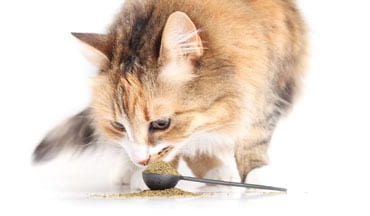
4. If your dog or cat has a sensitive gastrointestinal tract and reacts quickly with digestive problems, mix Canine Fortiflora, or rather Feline Fortiflora into the food during the transition. This probiotic complementary food is so palatable that it also stimulates appetite and thus makes every food change easier.

Set ipet.ch as a preferred source on Google
Never miss a tip: Set ipet.ch as a preferred source in your Google account so that our veterinary advice and pet care guides appear higher up in your search results. Optional and can be undone at any time.
Set as preferred source →Useful information at a glance
Is a constant change of food necessary for dogs and cats?
A constant change of food is not necessary as long as the food optimally covers the individual needs and nutrient requirements of the animal. Frequent changes can strain the gastrointestinal tract and lead to digestive problems.
When is a food change beneficial?
A food change can be beneficial if the animal's nutrient requirements change, for example due to age, pregnancy, neutering, or illness. A change can also be helpful in cases of food aversion or strong fixation on a particular food.
How should a food transition be carried out?
A food transition should never be abrupt. Gradually mix more of the new food into the old over 7 to 10 days. For a sensitive gastrointestinal tract, Canine Fortiflora or Feline Fortiflora can help.
What should I do if my animal refuses the new food?
Mix the new food with the old and offer it repeatedly over a longer period. Many animals get used to it over time and start eating the food.
Where can I find suggestions for optimal feeding for my animal?
You can find suggestions for feeding optimally tailored to your animal's needs on our website ipet.ch.