
 EN
EN  DE
DE  FR
FR Anal Gland Inflammation in Dogs: When Itching Occurs Under the Tail
-
 By
Dr. med. vet. Sabina Büttner
By
Dr. med. vet. Sabina Büttner - Oct 14, 2021
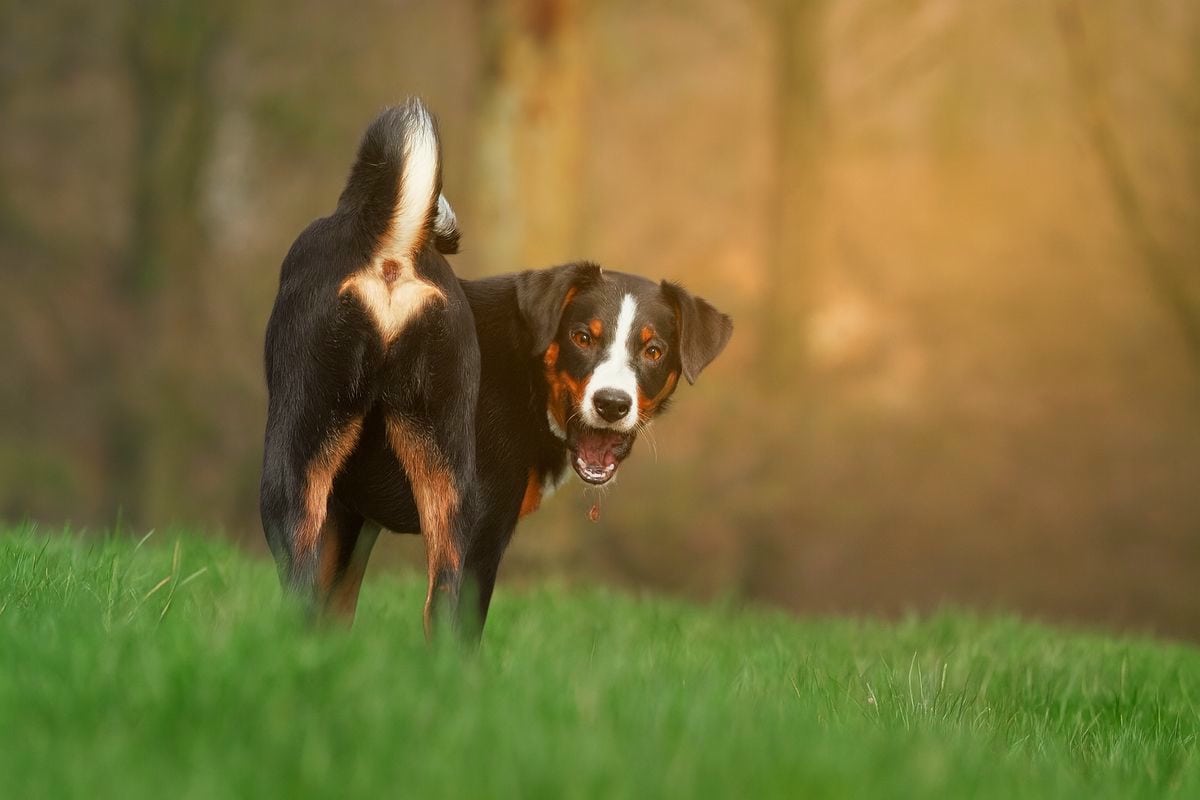
If a dog frequently licks its anus and often 'scooting', then the anal glands are often responsible. An initial impaction of the anal sacs can develop into a very painful inflammation, which requires prompt veterinary treatment.
What are Anal Glands?
The anal glands are located on both sides, laterally directly next to the anus. The secretion they produce is stored in the anal sacs. With every defecation, this secretion is released onto the faeces through the excretory ducts. It smells extremely unpleasant to human noses, but for dogs, it contains a lot of valuable information about their counterparts. Every dog secretes its individual 'perfume' with it, marking its territory.
Causes of Anal Gland Inflammation
Often, the exact cause of anal gland inflammation cannot be determined. Frequent diarrhoea, soft stools, or constipation can be reasons why the anal sacs are not regularly emptied, thus posing a risk factor for inflammation. While small breed dogs are more frequently affected, large dogs can also suffer from it.
Symptoms of Anal Gland Inflammation
Before inflammation develops, there is an impaction of the secretion in one or both anal sacs. Causes for this include a thickening of the secretion or a blockage of the anal gland excretory ducts. This impaction alone is uncomfortable for the dog. The dog tries to alleviate this condition by licking its anus and frequently scooting its bottom across the floor, i.e., showing the so-called 'scooting'.
If the excretory ducts of the anal sacs remain blocked and the secretion cannot drain, inflammation can quickly develop, which is extremely painful. Dogs are then often in a reduced general condition, they show clear pain during defecation and sometimes don't even want to sit anymore.
The following symptoms are typical for anal gland inflammation:
- Licking the anus
- 'Scooting' = sliding on the bottom
- Avoiding sitting
- Painful defecation
If the anal gland inflammation persists, the secretion becomes purulent, sometimes bloody. An abscess forms, which can rupture outwards and create a so-called anal sac fistula. Such a fistula can develop quite quickly. Therefore, a dog experiencing pain in the anal area should be treated by a veterinarian as quickly as possible.
Treatment of Anal Gland Inflammation
The veterinarian will carefully empty the impacted anal sacs. If it is not possible to express the secretion with gentle pressure, a probe is inserted into the excretory ducts of the anal glands, the secretion is liquefied with a sterile flushing solution, and then local medication against the inflammation is introduced. If the anal glands are already inflamed or a fistula has even formed, the anal sacs must be flushed repeatedly. Most dogs tolerate this procedure very well. However, if the anal glands are severely inflamed, every touch is very painful, and it may therefore be necessary to sedate the dog for the flushing.
With proper treatment, the inflammation usually heals completely within a week. However, if an abscess or fistula has already formed, healing can be difficult and prolonged. For dogs that have had anal sac inflammation once, however, the risk of recurrence is high. If recurrences happen repeatedly, it may become necessary to surgically remove the anal glands.
How can Anal Gland Problems be Prevented?
If the dog has a predisposition to anal gland inflammation, it is advisable to regularly check the anal area and keep it clean. Long hair should be trimmed, and any soiling should be washed away with lukewarm soapy water. Changes can thus be quickly detected, and the dog can be taken to the veterinarian in good time before severe inflammation or even abscesses occur.
For dogs with a predisposition to anal gland inflammation, it may also be necessary to manually express the anal sacs at regular intervals. This involves applying gentle pressure with the thumb and forefinger simultaneously to both anal glands towards the anus until the secretion empties. Many dog owners can perform this procedure on their dog themselves. However, it is absolutely essential to have the procedure demonstrated precisely by a veterinarian beforehand. If the area is severely swollen or painful, you should under no circumstances attempt to empty the anal sacs yourself, but rather take the dog to the veterinarian.
With the right nutrition, much can also be achieved in preventing anal gland problems. The goal is to improve the quality of the faeces. If the dog regularly passes faeces of good consistency, it is ensured that the anal gland secretion is repeatedly released, thereby minimizing the risk of impaction. For this purpose, certain Dietary fibres in the diet are suitable, which have a high water-binding capacity and thus increase faecal volume and positively influence intestinal motility. These include, for example, cellulose or wheat bran. Today there is a range of food that has a specially high content of such Dietary fibres. Another option is to enrich the existing food with a suitable complementary food containing such Dietary fibres.

Set ipet.ch as a preferred source on Google
Never miss a tip: Set ipet.ch as a preferred source in your Google account so that our veterinary advice and pet care guides appear higher up in your search results. Optional and can be undone at any time.
Set as preferred source →Useful information at a glance
What are the typical symptoms of anal gland inflammation in dogs?
Typical symptoms of anal gland inflammation include frequent licking of the anus, the so-called 'scooting' (sliding on the rear), avoiding sitting, and painful defecation. In advanced inflammation, the secretion can become purulent or bloody, and an abscess or fistula may form.
How is anal gland inflammation treated in dogs?
Treatment for anal gland inflammation is performed by a veterinarian, who carefully empties the impacted anal sacs. In cases of inflammation or fistula formation, the anal sacs must be repeatedly flushed. In severe cases, sedation of the dog may be necessary. When treated correctly, the inflammation usually heals within a week.
What causes can lead to anal gland inflammation?
The exact causes of anal gland inflammation are often unclear. Frequent diarrhea, soft stools, or constipation can prevent the anal sacs from emptying regularly, which increases the risk of inflammation. Both small and large dogs can be affected.
How can I prevent anal gland problems in my dog?
To prevent anal gland problems, it's important to regularly check and keep the dog's anal area clean. A balanced diet that improves stool quality can also help. For dogs prone to such issues, it may be necessary to manually empty the anal sacs regularly. Have your veterinarian show you the correct procedure.
When should I take my dog to the veterinarian for anal gland problems?
If your dog shows symptoms such as frequent licking of the anus, 'scooting', pain during defecation, or avoiding sitting, you should consult a veterinarian as quickly as possible. Early treatment can prevent the inflammation from worsening or an abscess from forming.