
 EN
EN  DE
DE  FR
FR A Balcony for Your Cat – Safe and Engaging!
-
 By
Dr. med. vet. Sabina Büttner
By
Dr. med. vet. Sabina Büttner - Jun 18, 2018
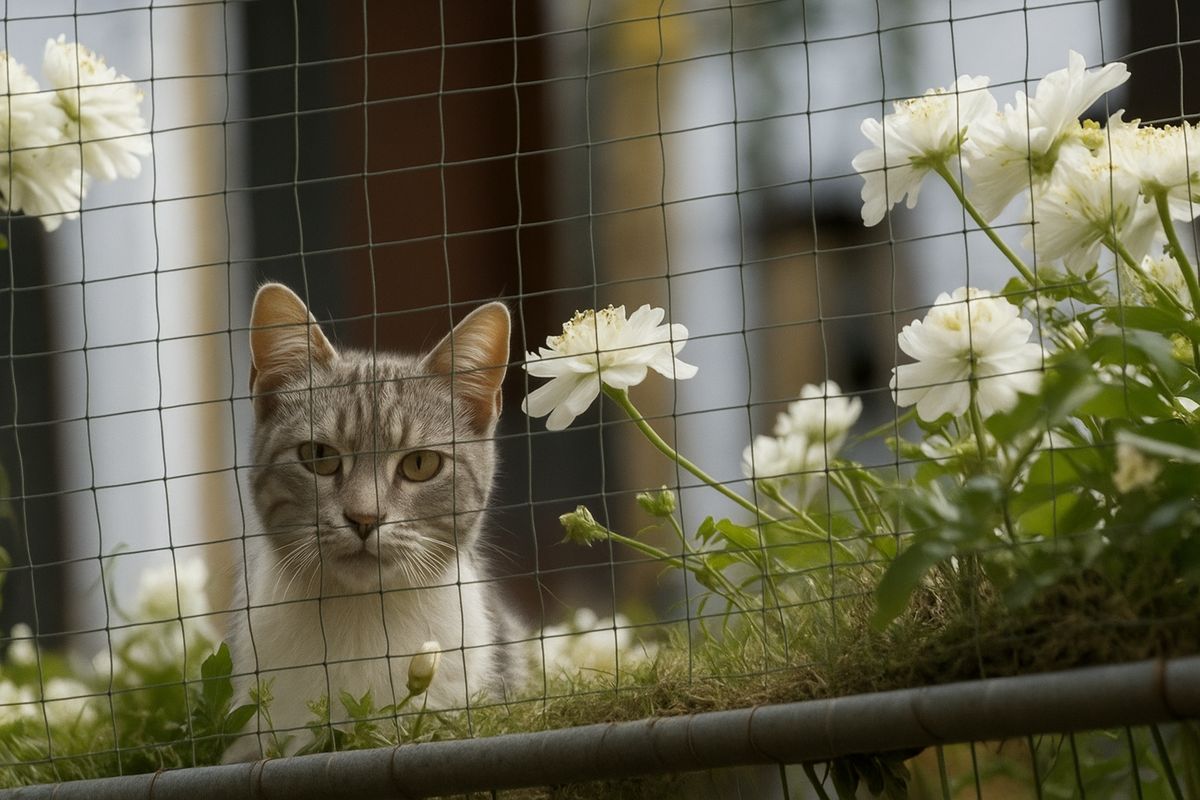
Nowadays, it is often not possible to grant our feline friends free outdoor access. A balcony is an interesting extension of their living space for cats. Here we provide a few tips for a safe and engaging cat balcony.
Is cat-proofing necessary for the balcony?
Fresh air, sun, insects, and birds flying by – a balcony or terrace is a varied and stimulating place for a cat to be. However, without appropriate safety measures, it can become dangerous: if the cat gets startled or chases a butterfly, it is entirely possible for them to fall from the balcony. Diaphragmatic ruptures, fractures in the lower jaw, or in the front legs are injuries frequently observed in connection with balcony falls. It is therefore important to secure the balcony with a suitable net!
What needs to be considered when securing balconies?
- Obtain your landlord's permission. If you are not allowed to install anchors or screws on the building, you must use a system with tension rods or railing clamps.
- Plan the safety measures so that no gaps remain through which the cat could stick its head. As a rule, there should be no gaps wider than 4 cm.
- The easiest way is to install a cat net. The mesh size here should also not be larger than 4 cm.
- Match the color of the balcony protection to the surroundings. A white net is suitable for bright surroundings, a green one for darker buildings or in plant-rich environments.
Non-toxic balcony plants for cats
Of course, cats should not only be protected from falling, but they should also not come into contact with poisonous plants. Unfortunately, many common balcony plants are toxic. Suitable plants for cat balconies are:
- Climbing plants: Thunbergia alata (Black-eyed Susan vine), Schisandra chinensis (Chinese magnolia vine), Climbing roses, Chocolate vine
- Twining plants: Nasturtium, Hops
- Potted plants: Bamboo, Roses, Palms
- In flower boxes: Fuchsias, Kitchen herbs, Lavender, Geraniums, Daisies, Strawberries
- Especially popular with cats: catnip, Callisia repens (Turtle Vine), cat grass, Valerian
Cat flap in the balcony door
A cat flap provides your cat with access to the balcony, even when you are not at home. Here too, the installation must be discussed with the landlord beforehand. Most balcony doors are made of glass and require a suitable cat flap for this purpose. The necessary hole in the window must be made by a specialist.
Furnishing the cat balcony
If your Precious is to be truly comfortable on the balcony, offer them an elevated spot where they can keep an even better lookout. For this, you can use an old shelf or special outdoor furniture for cats. A scratching board provides an opportunity for claw care. Condos, baskets, or cat tunnels serve as cozy sleeping spots that simultaneously offer shade and protection from rain and wind. A large bowl filled with water and a few floating. balls encourages the cat to drink and play.
Then, hopefully, there will still be enough space left for a comfortable chair for yourself, so you can enjoy time on the balcony together with your four-legged friend!

Set ipet.ch as a preferred source on Google
Never miss a tip: Set ipet.ch as a preferred source in your Google account so that our veterinary advice and pet care guides appear higher up in your search results. Optional and can be undone at any time.
Set as preferred source →Useful information at a glance
Is cat proofing necessary on the balcony?
Yes, cat proofing on the balcony is very important. Without suitable security, it can become dangerous, as cats might get startled or chase a butterfly and fall from the balcony. To prevent injuries such as diaphragm ruptures or fractures, the balcony should be secured with a suitable net.
What needs to be considered when securing balconies?
When securing balconies, it is important to obtain the landlord's permission. If no dowels or screws may be attached to the building, a system with tension rods or railing clamps should be used. The security must be planned so that no loopholes remain through which the cat could stick its head. Gaps should not be wider than 4 cm. The mesh size of a cat net should also not be larger than 4 cm. Match the color of the balcony protection to the surroundings.
Which balcony plants are non-toxic for cats?
For a cat-proof balcony, non-toxic plants such as climbing plants (e.g., Thunbergia alata, Schisandra chinensis, climbing roses), twining plants (e.g., nasturtium, hops), potted plants (e.g., bamboo, roses, palms), and plants in flower boxes (e.g., fuchsias, kitchen herbs, lavender, geraniums, daisies, strawberries) are suitable. Especially popular with cats are catnip, Callisia repens, cat grass, and valerian.
How can I make balcony access easier for my cat?
A cat flap in the balcony door allows your cat access to the balcony, even when you are not at home. Installation must be discussed with the landlord beforehand. Since most balcony doors are made of glass, a suitable cat flap is necessary. The required hole in the window should be made by a professional.
How do I furnish the balcony to make it engaging for my cat?
To make the balcony engaging for your cat, you can offer an elevated spot from which they can better keep watch. An old shelf or special outdoor furniture for cats is well-suited for this. A scratching board provides an opportunity for claw care. Condos, baskets, or cat tunnels serve as sleeping areas and offer shade as well as protection from rain and wind. A large bowl of water with floating balls encourages the cat to drink and play. Don't forget to also set up a comfortable chair for yourself, so you can enjoy time with your furry friend.