EN
EN  DE
DE  FR
FR My Dog Gets Car Sick: What Helps?
-
 By
med. vet. Bianca Michoud-Valente
By
med. vet. Bianca Michoud-Valente - Jun 14, 2023
Motion sickness in dogs is a common problem that many dog owners are often unaware of. Whether traveling by car, plane, or train, some dogs develop symptoms such as anxiety and nausea, which make travel unpleasant and stressful. Knowing the causes, symptoms, and prevention methods is crucial to enable our canine companions to travel more comfortably.
Motion sickness occurs more frequently in young dogs than in adult dogs because the parts of the inner ear responsible for balance are not yet fully developed. In affected puppies, motion sickness often disappears by the age of about one year.
Many adult dogs become anxious or suffer from travel sickness because they are not familiar with car travel and do not know the unfamiliar and stressful stimuli associated with these journeys. Dogs that are only taken in the car once or twice a year are not used to it and also associate these trips, which often have a vet's office as their destination, with negative experiences. This association leads to increased anxiety and stress, which in turn can lead to vomiting and diarrhea. Puppies who had a traumatic or frightening experience on their first car ride are also likely to associate all future rides with this unfortunate event. Some dogs may be particularly susceptible to nausea due to conditions such as middle or inner ear infections or vestibular disease. In addition, certain medications can cause vomiting or diarrhea in dogs.
How does motion sickness manifest in dogs?
The most common symptoms of motion sickness in dogs are:
- Whining and restlessness
- Panting
- Excessive drooling
- Licking lips
- Lethargy or inactivity
- Vomiting
- Defecation
If you suspect your dog is about to vomit, stopping the car and taking them for a walk can help temporarily relieve stress and nausea.
How to prevent motion sickness?
To prevent travel sickness and vomiting, you can desensitize your dog to car rides. This requires some work, but it is possible. Do not hesitate to enlist the services of a dog behaviorist if necessary. If the dog gets sick after a short car ride, they should also receive something for nausea during behavioral therapy. Otherwise, they will inevitably always find car travel unpleasant.
The best way to alleviate your dog's travel anxiety is to take several short trips before embarking on a long journey. Start by putting your dog in your car, starting the engine, and simply sitting still in the vehicle for a few minutes. If the dog remained calm, repeat the process the next day, but this time drive out of the driveway and immediately back. Don't forget to praise your dog and offer them a reward for their good behavior. Then try driving around the block. It can take several days or even weeks for your dog to get used to getting into the car relaxed. Make sure you only gradually increase or extend the stimuli you expose your nervous pet to. You cannot force your dog to "overcome" or "conquer" their fears. Therefore, it sometimes requires a lot of patience!
Maintain a calm and composed demeanor and do not scold your dog if they start to howl or whine. Visible anxiety is a sign that you should interrupt the current training and resume it on another day by returning to the previous step. If you continue to expose your dog to the stressful situation at this point, they will associate the car even more with dissatisfaction and fear. This can lead to a panic attack, which will certainly undo all previous training.
Here are some additional tips on how to make your dog's journey more pleasant and reduce the symptoms of motion sickness:
- If possible, do not feed your dog in the last four hours before the trip. An empty stomach can reduce nausea and the need for frequent potty breaks. A full bladder is also uncomfortable, especially on long car, plane, or train journeys.
- Ensure that your dog has access to fresh water whenever possible. Water bowls attached to the door of the transport cage are a good option for many animals. Another option is to offer them water at every stop.
- For long car journeys, you should make a stop approx. every two hours so that your dog can drink, relieve themselves, and relax by sniffing around on grassy areas.
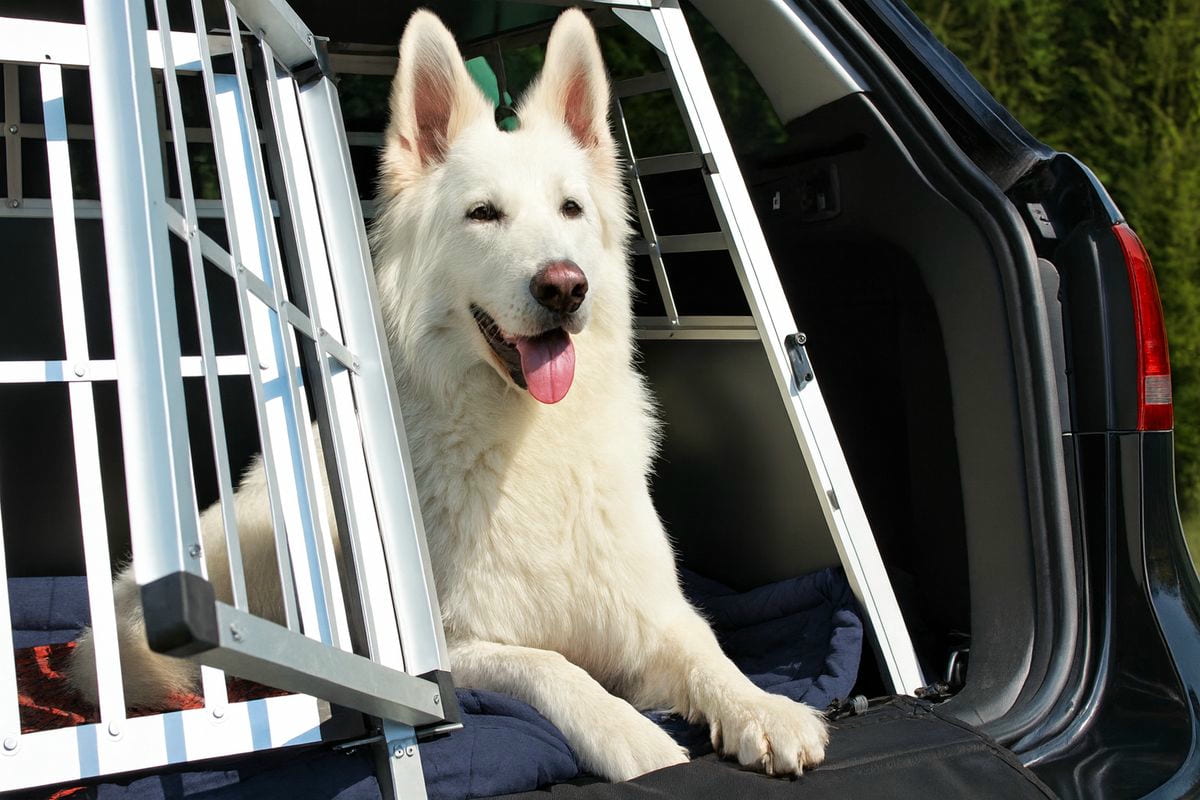
- Use a mobile kennel or a safety harness for dogs. Anxious, inadequately secured dogs can injure themselves and cause accidents. An accident can also trigger great anxiety in dogs that previously had no problem with car travel, which then becomes noticeable on subsequent journeys. Many dogs consider the mobile kennel a safe place. It is advisable to accustom your dog to the mobile kennel or harness before transporting them in the car. Car rides in a mobile kennel can also be good training for plane or train travel.
- Make sure the car is cool and quiet. Listen to music at a moderate volume and keep the temperature cool.
- Add the scent of home. Place a T-shirt or blanket "soaked" with your scent into your dog's mobile kennel. Nothing is more comforting than the familiar scent of their owners.
- Offer special toys for travel. Giving your dog new toys that they are only allowed to use when traveling helps them associate the journey with a great experience.
- Do not hesitate to use over-the-counter anxiety relief products, such as Adaptil, a spray with calming pheromones. Calming supplements such as those containing casein protein derivatives (Zylkene) or L-theanine (Anxitane) can also be helpful.
- Special ginger food supplements can specifically combat nausea caused by motion sickness (e.g., Powervet Ginger Tablets).
- If your dog needs additional help to stay calm during travel, consult your veterinarian. They may be able to prescribe medication to relieve anxiety and nausea. Remember to carefully follow your veterinarian's instructions and administer the appropriate medications at the recommended dosage and frequency. Some medications need to be taken several days in advance to be effective.
So, if you work diligently with your stressed dog or positively accustom your puppy to traveling from the beginning, travel will no longer be associated with a negative experience. Your dog will be able to accompany you everywhere and spend more time with you.

Set ipet.ch as a preferred source on Google
Never miss a tip: Set ipet.ch as a preferred source in your Google account so that our veterinary advice and pet care guides appear higher up in your search results. Optional and can be undone at any time.
Set as preferred source →Useful information at a glance
How do I know if my dog suffers from motion sickness?
The most common symptoms of motion sickness in dogs are whining, restlessness, panting, excessive drooling, lip licking, lethargy, vomiting, and defecation. If you notice these signs in your dog, they might be suffering from motion sickness.
What can I do to prevent my dog's motion sickness?
To prevent motion sickness, you can gradually accustom your dog to car rides. Start with short trips and reward your dog for calm behavior. Ensure your dog doesn't eat anything in the four hours before the trip and provide regular breaks where they can relax.
What aids are available to alleviate the symptoms of motion sickness?
There are various aids that can help alleviate the symptoms of motion sickness. These include calming pheromones like Adaptil, food supplements with ginger for nausea, and special toys that your dog only gets during travel. Consult your veterinarian for further recommendations.
Should I keep my dog in a mobile kennel during the ride?
Yes, a mobile kennel can offer your dog security and reduce the risk of injury during sudden braking maneuvers. Many dogs perceive the mobile kennel as a safe place. Accustom your dog to the kennel before the trip to minimize stress.
When should I seek professional help?
If, despite all efforts, your dog continues to suffer severely from motion sickness, you should consider seeking help from a canine behavior therapist. Your veterinarian can also assist you with prescription medications to alleviate anxiety and nausea.