
 EN
EN  DE
DE  FR
FR My Dog Has a Tick – What to Do?
-
 By
med. vet. Bianca Michoud-Valente
By
med. vet. Bianca Michoud-Valente - May 14, 2023
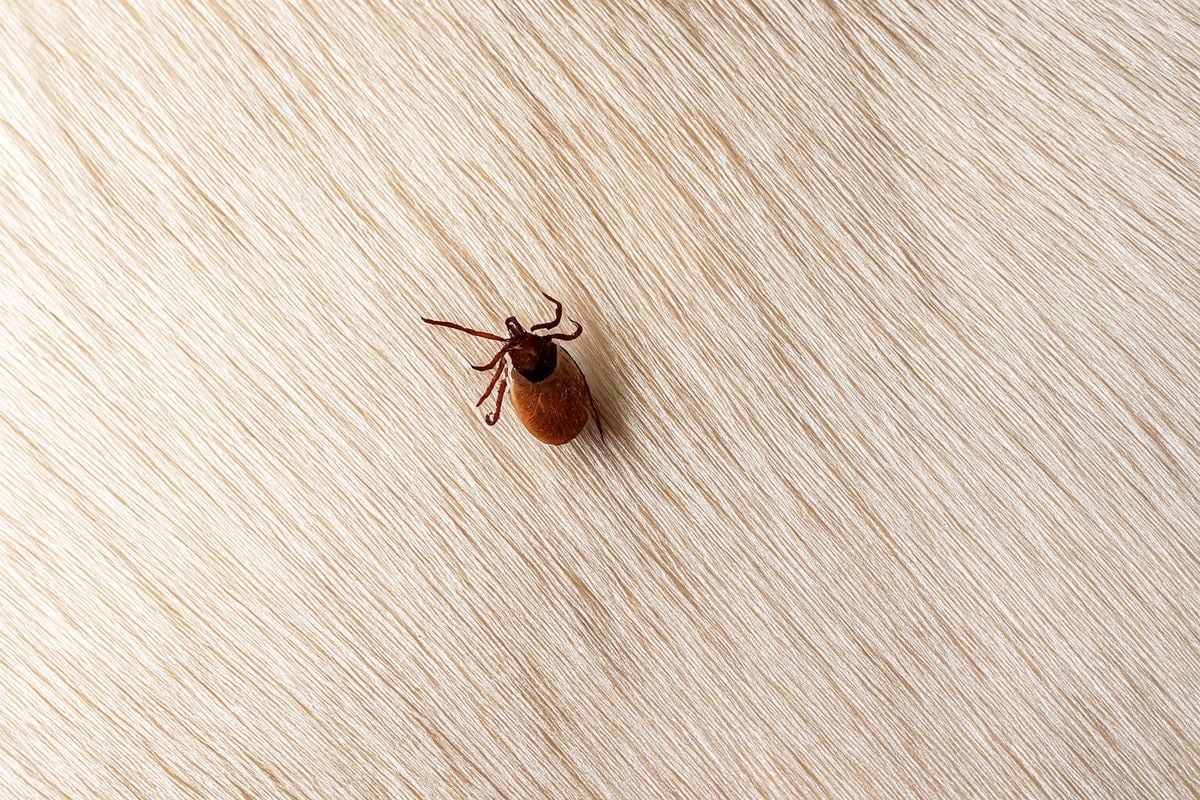
Ticks are widespread in Switzerland. Therefore, it's not uncommon for dog owners to find ticks on their dog. However, ticks are carriers of potentially fatal diseases. That's why preventing tick bites is crucial for your dog's health. Knowing the right methods to remove ticks can help avoid complications.
The cycle of tick-borne diseases begins when ticks feed on the blood of an infected dog or another mammal, picking up any parasites present in the blood. Infected ticks can then transmit these parasites to other dogs when they bite and feed on their blood. During the blood meal, after the bite, the pathogens travel from the tick's gut to its salivary glands. Transmission through saliva depends on the duration of contact and the tick's infestation rate. The longer a tick remains on a dog and feeds on its blood, the more time it has to potentially transmit a disease to the dog. However, it is proven that the risk of disease transmission is low if the tick is completely removed within 24 hours of the bite.
How to remove ticks correctly
So, if you discover a tick on your dog, you should remove it immediately – and carefully. If it's still crawling on the dog, you can simply grasp and remove it. If the tick has already bitten into your dog, it's important to use the right tools: tick tweezers or a tick remover hook. With a hook, proceed as follows: slide it under the tick and press it against the skin. Then gently lift the hook, pulling it slowly upwards, not with a jerk. With tick tweezers or forceps, grasp the tick as close to the skin as possible and pull it out gently with increasing tension. The tick must not be twisted during removal to avoid the risk of its proboscis remaining in the skin. With patience and care, the tick will detach easily after some time. This slow process allows the tick to be removed without stressing it. Avoid twisting or crushing the tick, as this increases the risk of infection. If the tick is stressed, it starts to regurgitate and empty its gut contents. This increases the risk of it transmitting a pathogen into the dog's bloodstream. If the tick is large, it has engorged with blood and has probably been on the dog for a while. The risk of disease transmission is then greater. If you pull out the tick without the right tool, it can happen that the head, or more precisely, the mouthparts, remain in the animal. A small black dot will then be visible, remaining in the bite site. This usually leads to a small inflammation, and after a few days, the head falls out on its own. Disinfect the area and observe it over the next few days. Only if severe redness and swelling develop should a vet be consulted.
Once you have removed the tick, we recommend placing it in an airtight bag and discarding it in the trash, or burning it with a lighter.
After removal, it's important to clean the bite site with an antiseptic to reduce the risk of infection. In the following three weeks, you should observe your dog particularly closely and watch for symptoms of illness. Typical symptoms of these diseases include lethargy, loss of appetite, or fever. If your dog shows any of these symptoms, please contact your vet immediately.
Overall: The faster the tick is removed, the lower the risk of pathogen transmission.
Ticks can not only cause itching and skin irritation but also transmit serious diseases. In Switzerland, dogs can be affected by several tick-borne diseases, including Lyme borreliosis, babesiosis, ehrlichiosis, and anaplasmosis.
Babesiosis, also known as piroplasmosis, is caused by a parasite called Babesia canis, which infects the dog's red blood cells and causes their destruction. It is the most common tick-borne disease in dogs, and dogs are also the main hosts for this disease. Symptoms of piroplasmosis can include fever, lethargy, loss of appetite, pale gums, ochre-colored or brown urine, an increased heart rate, and difficulty breathing. The disease is acute and must be treated quickly – it is a life-threatening emergency. Fortunately, it can be easily diagnosed with blood tests and is treated with specific antiparasitic medications. In severe cases, a blood transfusion may also be necessary.
Borreliosis, also known as Lyme disease, is caused by a bacterium called Borrelia burgdorferi, which is transmitted to dogs through the bite of infected ticks. Their natural reservoir is small mammals. The symptoms of Lyme borreliosis in dogs are non-specific, usually including fever, loss of appetite, fatigue, and joint pain. Although borreliosis can be treated with antibiotics, early treatment is important to avoid long-term complications.
Ehrlichiosis is a disease caused by a bacterium called Ehrlichia canis, which is also transmitted to dogs by infected ticks. It occurs mainly in Southern Europe, but dogs can bring it back from travels to Switzerland. The symptoms of ehrlichiosis in dogs are varied. They can include fever, loss of appetite, lethargy, muscle and joint pain, and bleeding. The disease can be acute or chronic and is treated with antibiotics. Prompt treatment also helps to avoid secondary diseases.
Anaplasmosis is an infectious disease in dogs caused by the bacterium Anaplasma phagocytophilum. It is transmitted to dogs by infected ticks that feed on the blood of rodents and other small animals carrying the bacterium. The symptoms of anaplasmosis in dogs are also very varied and non-specific. These include fever, lethargy, loss of appetite, lameness, joint pain, vomiting, diarrhea, and abnormal bleeding. The disease can also be acute or chronic, depending on the duration and severity of symptoms, as well as the timing of treatment.
Since these diseases can be severe and potentially fatal for dogs, it is extremely important that you take measures to effectively protect your pet from tick bites.
Prevention Measures
Preventive measures against these diseases include the use of repellents or acaricides to protect animals from tick bites. These products include tablets, Collars or topical spot-on treatments. These products serve to repel ticks or kill them as soon as they bite the dog, before they can even transmit diseases. The most effective tick remedies are prescription-only and available only from a vet. When using over-the-counter insect repellents based on natural ingredients, a combination of several agents is often required to ensure adequate protection.
It is highly recommended to regularly check your dog for ticks, especially if you live in a region where ticks are common. This means you should thoroughly examine your dog's coat after walks or outdoor play, paying special attention to areas such as the ears, neck, and underbelly. By briefly brushing after each walk with a flea comb or a grooming brush, wandering ticks that have not yet attached themselves can be easily removed.
There is also a vaccine for dogs against babesiosis. This vaccine is generally considered effective in preventing or reducing the symptoms of the disease. However, it is important to know that the vaccine does not guarantee 100% protection against the disease, and dogs can still contract the disease even after vaccination. Therefore, preventing tick bites remains the best measure, ideally in combination with vaccination for high-risk dogs. Do not hesitate to discuss with your vet whether vaccination is appropriate for your dog.
Tick Seasonality
Ticks belong to the mites and are widespread in Switzerland. There is a variety of different tick species. Ixodes ricinus is the most common tick on dogs in Switzerland, but Ixodes hexagonus, Dermacentor reticulatus, and Rhipicephalus sanguineus also exist. Ticks can be found almost everywhere: in forests, bushes, meadows, parks, gardens, dog kennels... Dogs can therefore easily pick up ticks during a walk. Ticks in our latitudes are mainly active from March to October, but depending on the climate and altitude, they can sometimes be found almost all year round. In Western Switzerland, for example, some tick species can remain active from February to November in mild weather. Furthermore, some ticks also survive in kennels and houses. Prevention and vigilance are therefore appropriate throughout the year.
Conclusion: As soon as you discover a tick on your dog, it's important to act quickly to keep your pet healthy. By carefully removing the tick, cleaning the affected area, and watching for signs of illness in your dog, you are already making a significant contribution to reducing the risk of tick-borne disease transmission. Preventive measures are also important, such as using tick repellents and regularly and thoroughly checking your pet's coat. By being vigilant and proactive, you contribute greatly to keeping your four-legged friend healthy.
In this video, our veterinarian shows you what to look out for when removing a tick.
In the video, the tick is an 'actress' that has not actually attached itself to the dog.

Set ipet.ch as a preferred source on Google
Never miss a tip: Set ipet.ch as a preferred source in your Google account so that our veterinary advice and pet care guides appear higher up in your search results. Optional and can be undone at any time.
Set as preferred source →Useful information at a glance
How do I correctly remove a tick from my dog?
To remove a tick from your dog, it is best to use tick tweezers or a tick hook. Slide the hook under the tick, pressing it against the skin. Lift the hook slightly by slowly pulling it upwards. With tick tweezers, grasp the tick as close to the skin as possible and carefully pull it out. Avoid twisting or crushing the tick to minimize the risk of infection.
What should I do after removing a tick?
After removing the tick, you should clean the bite site with an antiseptic to reduce the risk of infection. Observe your dog carefully for the next three weeks for symptoms of illness such as lethargy, loss of appetite, or fever. If any of these symptoms occur, please contact your veterinarian immediately.
How can I protect my dog from tick bites?
To protect your dog from tick bites, you can use repellents or acaricides, which are available as tablets, **Collars**, or spot-on treatments. These products help to repel ticks or kill them before they can transmit diseases. It is also important to regularly check your dog for ticks, especially after outdoor walks.
What diseases can ticks transmit to dogs?
Ticks can transmit several diseases to dogs, including Lyme Borreliosis, Babesiosis, Ehrlichiosis, and Anaplasmosis. These diseases can be severe and potentially fatal, which is why it is important to remove ticks quickly and take preventive measures.
When are ticks most active in Switzerland?
Ticks are mainly active in Switzerland from March to October. However, depending on the climate and altitude, they can occur almost all year round. In Western Switzerland, some tick species can remain active from February to November in mild weather. Vigilance and prevention are therefore important throughout the year.