
 EN
EN  DE
DE  FR
FR How to Prevent Recurrent Diarrhea in Dogs?
-
 By
med. vet. Bianca Michoud-Valente
By
med. vet. Bianca Michoud-Valente - Dec 12, 2023
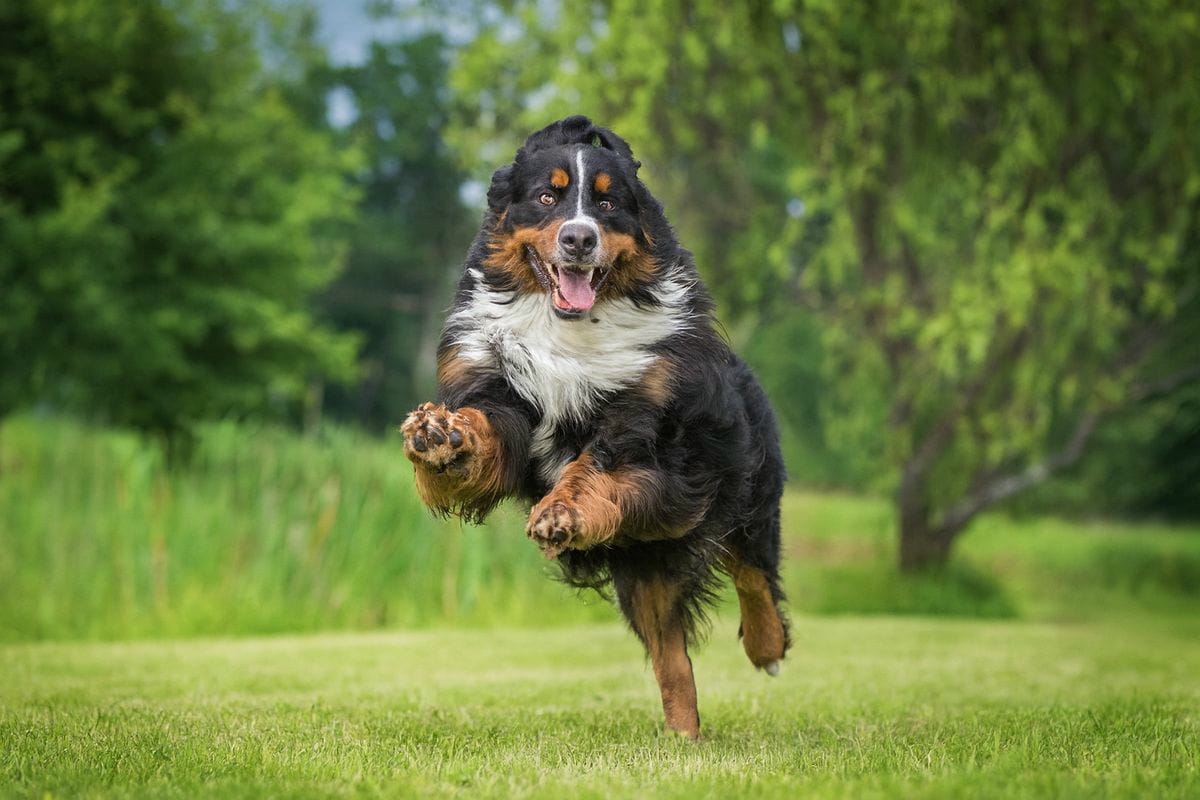
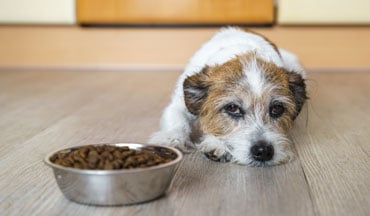
Dogs are curious animals and have a natural tendency to explore the world with their nose and mouth. It is therefore common for them to eat something wrong or lick something contaminated. This can lead to digestive problems, ranging from mild discomfort and gurgling sounds in the stomach to severe diarrhea. This is often accompanied by abdominal pain and loss of appetite. This is not only very unpleasant for your dog, but also for you if they do their business indoors or wake you up at night. Unfortunately, some dogs repeatedly suffer from diarrhea. That's why we want to offer some advice on how to support your dog's digestion and reduce the risk of diarrhea.
How to Adjust Your Dog's Diet to Prevent Diarrhea
Your dog's diet has a major influence on their digestion and well-being. Therefore, it is important to provide them with a balanced and high-quality food that contains all the nutrients they need. It is also important that they can digest the food well, which is indicated by regular bowel movements of normal quantity and firm, consistent texture. Not every dog can digest different food components equally well. Sometimes it is therefore necessary to try different types of food until the perfect food for your own dog is found. Once you have found a food that your dog tolerates well and enjoys eating, you should ideally not change it again and only make a food transition if the dog's needs change due to age or illness.
For sensitive dogs, it is particularly important to keep the diet as consistent as possible to protect and strengthen digestion. Constant food changes can disrupt the balance of the intestinal flora and thus lead to digestive problems. It should not be forgotten that treats and chews can also play a major role. If your dog is prone to gastrointestinal problems, you should never give them table scraps. Occasionally and as a reward, they should only receive specially suitable, highly digestible treats, and chews, which often contain a lot of difficult-to-digest connective tissue, must either be completely avoided or their quantity severely limited. To avoid diarrhea episodes caused by treats, it is also important to ensure that the whole family adheres to the guidelines.
Furthermore, abrupt food changes can also upset the sensitive digestive system of our four-legged friends. When introducing a new food, it is important to do so gradually, by mixing a little more of the new food into the usual diet over several days. This gradual food transition minimizes digestive stress and reduces the risk of diarrhea often associated with a food change.
How to Protect Your Dog from Diarrhea by Making Their Environment and Walks Safe
Many dogs are curious and also gluttonous! A safe environment and supervised walks are other important factors in preventing diarrheal diseases in such dogs. Naturally, dogs explore their surroundings not only with their nose but also with their mouth, which can bring them into contact with various harmful products, waste, objects, or food.
At home and in the garden, you should remove all potentially dangerous substances such as chemicals, poisonous plants, bin contents, compost, children's toys, dirty laundry (a sock is quickly swallowed!), flower bouquets, chocolates, or other toxic foods. Some dogs are so greedy that they eat everything they find. In this case, you should only let your dog run in the house or garden under supervision.
Furthermore, it is important that you closely observe your dog during walks so that they do not eat anything they shouldn't, such as foreign objects, food scraps, carcasses, or the excrement of other animals. All of this can lead to gastrointestinal disturbances.
If the dog is extremely curious or gluttonous, it may be useful to put a muzzle guard on them when out and about. This is a type of muzzle that allows your dog to bark, drink, pant, and even eat treats, but prevents them from eating anything harmful. If you want to put a muzzle on your dog, you should seek advice from a professional on how best to accustom the dog to it.
How Probiotics Can Support Your Dog's Digestion
Probiotics play a major role in maintaining optimal gut health. They are beneficial microorganisms that live in the dog's gut and help them digest their food. They ensure that the balance of the intestinal flora is maintained and that no harmful germs proliferate. Probiotics can also help to strengthen the local immune system in the gut and establish a healthy intestinal environment. Regularly administered courses of probiotics can help promote digestive tract health and reduce the risk of diarrhea.
How to Protect Your Dog from Diarrhea by Regularly Deworming Them
Worms and other intestinal parasites can also cause severe digestive problems, such as diarrhea, vomiting, blood in the stool, or weight loss. Therefore, it is important that you regularly deworm your dog to protect them from these ailments. The frequency of deworming depends on your dog's lifestyle and their risk of contracting intestinal parasites. Your veterinarian can create an individual deworming plan that takes into account your dog's health and living conditions. This way, you can strengthen your dog's digestion and prevent diarrhea.
How You Can Support Your Dog's Digestion
In summary, diarrhea is a common and unpleasant condition in dogs that can have many causes. Therefore, preventing diarrhea in dogs requires a holistic approach. This includes a suitable diet, a safe environment, and support for the intestinal flora. With these tips, you have the power to help your dog build and maintain a robust and healthy digestive system.

Set ipet.ch as a preferred source on Google
Never miss a tip: Set ipet.ch as a preferred source in your Google account so that our veterinary advice and pet care guides appear higher up in your search results. Optional and can be undone at any time.
Set as preferred source →Useful information at a glance
How can I adjust my dog's diet to prevent diarrhea?
A balanced and high-quality diet is crucial for your dog's digestion. Ensure that the food contains all necessary nutrients and is easily digestible. Avoid frequent food changes and introduce new food types gradually to minimize digestive stress.
What role do treats and chews play in my dog's digestion?
Treats and chews can affect your dog's digestion. For sensitive dogs, you should avoid hard-to-digest chews and only give highly digestible treats. Ensure that the whole family adheres to these guidelines to prevent diarrhea episodes.
How can I make my dog's environment safe to prevent diarrhea?
Keep potentially dangerous substances such as chemicals, poisonous plants, and trash out of reach. Supervise your dog during walks to prevent them from eating harmful objects or food. For very curious dogs, a muzzle net can be useful.
How can probiotics support my dog's digestion?
Probiotics help maintain the balance of the intestinal flora and strengthen the immune system in the gut. Regular courses of probiotics can promote the health of the digestive tract and reduce the risk of diarrhea.
Why is regular deworming important for my dog's digestion?
Worms and other intestinal parasites can cause severe digestive problems. Regular deworming protects your dog from these ailments. Your veterinarian can create an individual deworming plan tailored to your dog's living circumstances.