EN
EN  DE
DE  FR
FR Stress-Free Veterinary Visits - Tips for Dog Owners
-
 By
Dr. med. vet. Sabina Büttner
By
Dr. med. vet. Sabina Büttner - Jan 15, 2020
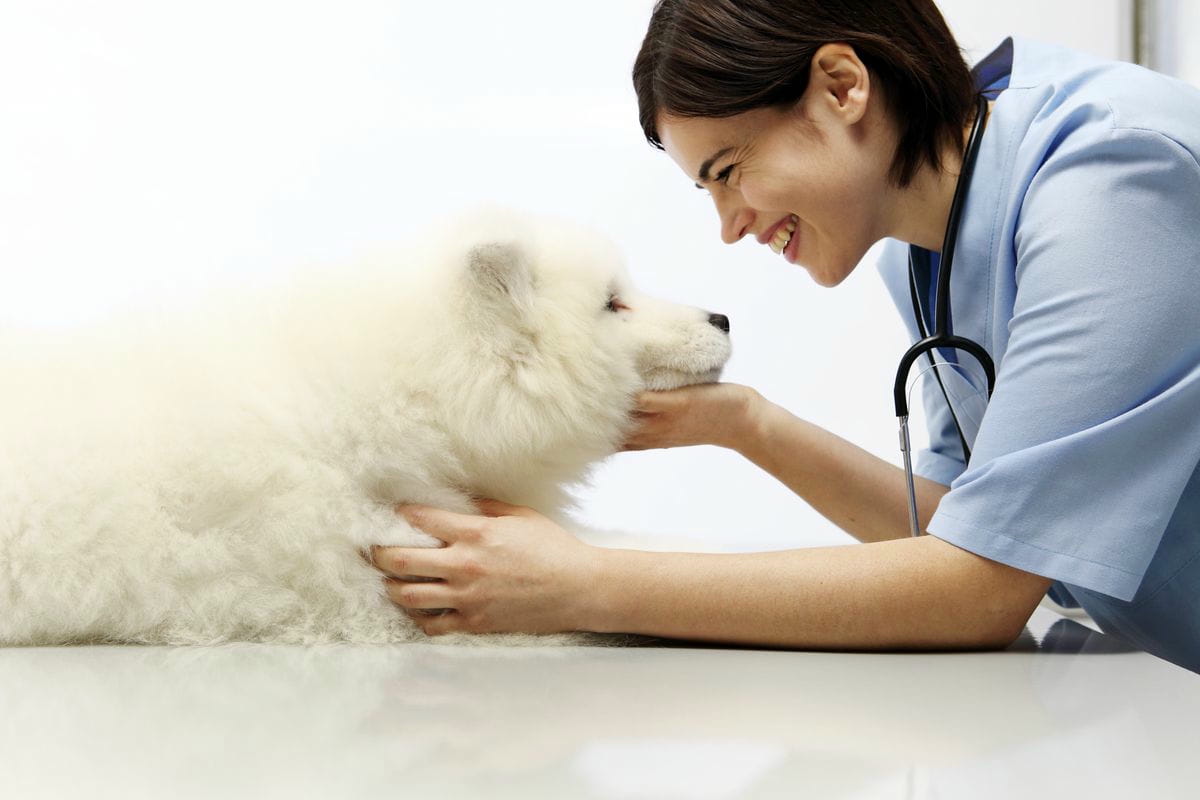
Many dogs get stressed when they have to go to the vet; some resist entering the practice with all their might, and some can only be examined with a muzzle because they refuse to be touched out of sheer panic. We have a few tips on how to prepare your furry friends for a vet visit from the very beginning, and what you can do if your dog has already had bad experiences.
Puppy Training
Already as a puppy – ideally with the breeder – a dog should learn that it's normal to be touched all over its body and paws, and that a quick look into its mouth and ears is nothing to be afraid of. So, start practicing these manipulations at home with your very young puppy. In a good puppy playgroup, you'll be shown how to do this training yourself, and your puppy will also have the opportunity to practice being touched by a stranger.
The First Vet Visit
Soon after your puppy has moved in with you, it's time for their vaccination at the vet. Try to make this visit a great experience for your puppy! Be punctual at the practice so you're not stressed yourself, but also not too early so you don't have to wait too long. Bring a toy and a few treats to make the waiting time fun and pleasant. The examination and vaccination are usually not a problem for a small dog, and both the vet and the entire practice staff will gladly reward the puppy with kind words and treats.
Not every puppy behaves the same way – if you have a cautious puppy who is anxious in unfamiliar situations and reserved with strangers, it might be helpful to arrange a 'practice appointment' even before the actual vaccination date. During this, the puppy gets to explore everything, might be briefly lifted onto the table, but should only have positive experiences. Perhaps there will even be a treat or two from the vet, and suddenly the practice and waiting room won't seem half as bad. This way, a positive association with the vet can be built early on for puppies.
Medical Training for Dogs
If your dog has already had bad experiences or reacts with fear or aggression to vet examinations, a so-called 'Medical Training' can provide a solution. In this training, the dog is taught behaviors in small steps and short training sessions, but with a lot of positive reinforcement, which are helpful during medical examinations or daily care. They learn to tolerate these situations calmly and stress-free, and can even associate them positively over time. Especially at the beginning of the training, it's advisable to seek the help of a professional dog trainer to practice the timing of reward signals and create an individual training plan.
The following situations should primarily be practiced:
- Being touched all over the body
- Having ears examined
- Having eyes examined
- Opening mouth and lifting lips
- Having paws held and examined
- Lying calmly on their side
- Getting used to a muzzle
- Being lifted onto the table
This training not only makes the dog more relaxed, but it also helps the owner stay calm and thus give their dog additional security. Once the exercises are solid, this training can also be conducted in the vet practice by arrangement, without the dog having an actual examination appointment with the vet.
Further Tips for Relaxation at the Vet Practice:
- Bring your own blanket! In both the waiting room and on the examination table, the familiar scent helps your dog to calm down.
- Additional comfort can be provided with various pheromones or natural complementary food.
- If your dog might bite out of fear, practice putting on and wearing a muzzle, and put it on before arriving at the practice.
Further Reading:
“Medical Training for Dogs”, Anna Oblasser-Mirtl, Barbara Glatz, Cadmos Verlag

Set ipet.ch as a preferred source on Google
Never miss a tip: Set ipet.ch as a preferred source in your Google account so that our veterinary advice and pet care guides appear higher up in your search results. Optional and can be undone at any time.
Set as preferred source →Useful information at a glance
How can I prepare my puppy for a veterinary visit?
Start accustoming your puppy to being touched all over its body, including paws, muzzle, and ears, from a young age. Attend puppy playgroups to reinforce training and allow your puppy to get used to unfamiliar people.
What can I do if my dog has already had bad experiences at the vet?
Medical Training can help teach your dog to tolerate examinations stress-free, in small steps and with positive reinforcement. Consider seeking the support of a professional dog trainer to customize the training.
How can I make my dog's first veterinary visit easier?
Be punctual, but not too early at the practice, to minimize waiting times. Bring a toy and treats to make the waiting time pleasant. If necessary, arrange a practice appointment so the puppy can get to know the practice in peace.
What additional tips are there to make the veterinary visit more relaxed?
Bring your own blanket to give your dog a sense of security. The familiar scent can have a calming effect. Pheromones or natural complementary food can also help. Practice muzzle training in case your dog might bite out of fear.
Where can I find further literature on Medical Training for dogs?
We recommend the book 'Medical Training for Dogs' by Anna Oblasser-Mirtl and Barbara Glatz, available from Cadmos Verlag.