
 EN
EN  DE
DE  FR
FR Urinary Tract Diseases – Prevention is better than cure!
-
 By
Dr. med. vet. Sabina Büttner
By
Dr. med. vet. Sabina Büttner - Aug 21, 2019
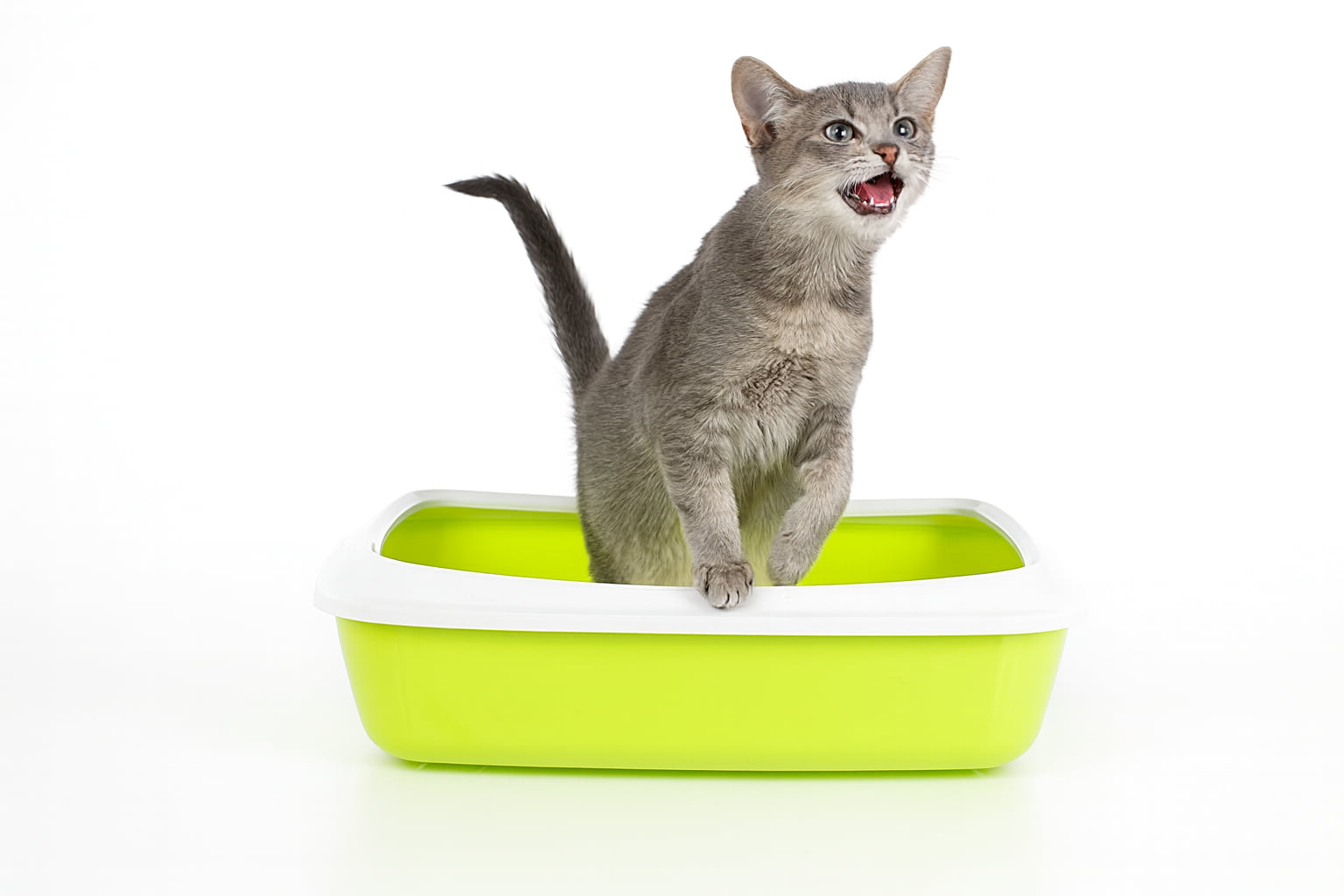
Among the most common urinary tract diseases in dogs and cats are bladder infections and urinary stones. Anyone who has ever suffered from such an illness knows how painful it is. It is therefore worthwhile to reduce the risk of illness for our beloved companions with some preventive measures.
Factors that promote urinary tract diseases:
- Genetic predisposition
- Bacterial or viral infections
- Low water intake
- Lack of exercise
- Stress
- Obesity
- Inappropriate feeding
Preventive Measures
In general, it is important to minimize the contributing factors for urinary tract diseases as much as possible. While all dogs and cats can suffer from urinary tract diseases, certain breeds are significantly more prone to forming specific urinary stones than others. Such predispositions are a consequence of genetically determined metabolic peculiarities or disorders and can therefore only be influenced through breeding.
A strong immune system prevents infections in the urinary tract. A balanced diet that contains all nutrients in the correct composition is an important basis for strengthening the immune system.
A central point for maintaining urinary tract health is an adequate supply of water. Good 'flushing' of the urinary tract can counteract both the formation of urinary stones and the development of bladder infections. Cats, in particular, often drink too little. It is therefore important to provide them with various drinking opportunities that encourage them to drink as much water as possible. If this is not successful, the feeding must at least partially be switched to wet food.
Dogs and cats should not only drink a lot, they should also urinate frequently! Dogs should therefore be taken outside at least every two to three hours. Indoor cats must be encouraged to get sufficient exercise through daily play and always have access to a clean litter box.
Since overweight animals drink less and urinate less frequently than lean ones, they are significantly more prone to urinary tract problems. An adapted diet can help maintain or regain their ideal weight.
Stress promotes the occurrence of urinary tract diseases, especially in cats. Often, cats do not clearly show their owners that they are suffering from a particular situation. Stress triggers can be, for example, conflicts in a multi-cat household, fear of strangers, or a relocation. If the living situation cannot be changed accordingly, the cat's reaction can be positively influenced by adding natural stress-relieving substances to their food.
Urinary stones can form over a longer period as a result of inappropriate feeding. A high-quality food that does not contain excessive amounts of minerals, prevents supersaturation of the urine, and adjusts the urine pH to a favorable range is therefore also an important option for prophylaxis. If a urinary tract disease is already present, a specific diet food must be administered in consultation with the treating veterinarian. Depending on the diagnosed disease or the composition of the stone, a different food is necessary.

Set ipet.ch as a preferred source on Google
Never miss a tip: Set ipet.ch as a preferred source in your Google account so that our veterinary advice and pet care guides appear higher up in your search results. Optional and can be undone at any time.
Set as preferred source →Useful information at a glance
What are the most common urinary tract diseases in dogs and cats?
The most common urinary tract diseases in dogs and cats include bladder infections and urinary stones. These conditions can be very painful and should therefore be avoided if possible.
How can I reduce the risk of urinary tract diseases in my pet?
There are several preventive measures to reduce the risk of urinary tract diseases. These include adequate water intake, regular exercise, a balanced diet, and avoiding stress. Maintaining an ideal weight is also important.
Why is water intake so important for preventing urinary tract diseases?
Adequate water intake ensures good 'flushing' of the urinary tract, which can counteract the formation of urinary stones and bladder infections. Cats, in particular, often drink too little, which is why it's important to offer them various drinking opportunities.
How can I tell if my pet is suffering from stress that could lead to urinary tract diseases?
Stress in pets, especially in cats, can be triggered by various factors such as conflicts in a multi-cat household, fear of strangers, or a move. Animals often do not clearly show their owners that they are suffering from stress. Observe behavioral changes and consult a veterinarian if necessary.
What role does nutrition play in preventing urinary tract diseases?
Appropriate nutrition is crucial for preventing urinary tract diseases. High-quality food that does not contain excessively high amounts of minerals and maintains the urinary pH in a favorable range can help prevent urinary stones. For existing conditions, a specific Veterinary diet food should be administered in consultation with a veterinarian.